
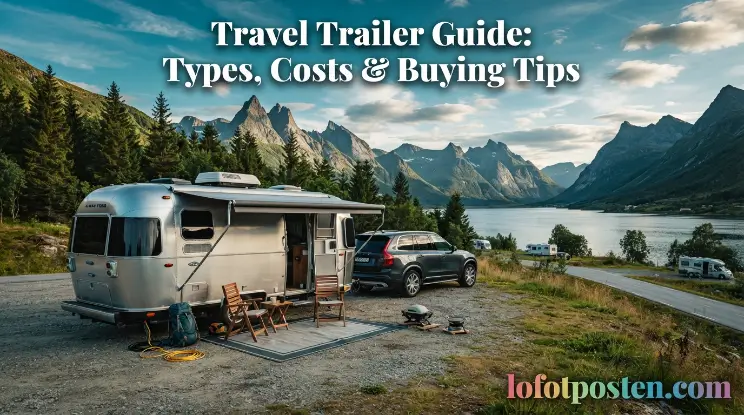
Welcome to Lofotposten. A travel trailer is one of the most popular ways to enjoy camping and outdoor adventures while having the comfort and convenience of a small home on wheels. It provides essential living features such as sleeping areas, kitchen facilities, storage space, and sometimes bathrooms, allowing travelers to enjoy nature without giving up basic comforts.
Unlike motorhomes, travel trailers do not have their own engine. Instead, they are designed to be towed behind a suitable vehicle, such as a truck or SUV. This makes them a flexible and affordable choice for families, couples, and weekend travelers because owners can easily detach the trailer at a campsite and use their vehicle for local exploration.
What Is a Travel Trailer?
A travel trailer is a type of towable RV (recreational vehicle) that is used for camping and traveling. It is designed like a small mobile home and includes important living features such as sleeping areas, a kitchen, storage space, and sometimes a bathroom. However, unlike a motorhome, a travel trailer does not have its own engine. Instead, it is attached to and pulled by another vehicle, such as a truck, SUV, or other vehicle with enough towing capacity. Because a travel trailer can be separated from the towing vehicle, travelers have more freedom during trips.
How Does a Travel Trailer Work?
A travel trailer works by being attached to a separate vehicle through a hitch system, which allows the vehicle to pull the trailer while traveling. Since a travel trailer does not have its own engine, it depends completely on a truck, SUV, or another suitable tow vehicle for movement.
The hitch system is the connection point between the trailer and the towing vehicle. It securely holds the trailer in place and helps transfer the trailer’s weight to the vehicle. Different types of hitch systems are available depending on the size and weight of the trailer.
Important towing factors include:
- Trailer weight
- Vehicle towing capacity
- Hitch type
- Trailer brakes
- Weight distribution
Proper towing preparation improves safety, fuel efficiency, and overall driving comfort.
Different Types of Travel Trailers
Travel trailers come in a wide range of sizes, designs, and features to suit different types of travelers. Some models are small and lightweight for beginners or couples, while others are larger with extra space and luxury features for families and long trips. Understanding the different types of travel trailers helps you choose a model that matches your budget, travel style, towing ability, and camping needs.
Lightweight Travel Trailers
Lightweight travel trailers are smaller and easier-to-tow RV trailers designed for travelers who want a simple and convenient camping experience. These trailers are built with lighter materials, which allows them to be pulled by smaller trucks, SUVs, and some larger vehicles without requiring a heavy-duty towing vehicle.
Because of their compact size and lower weight, lightweight travel trailers are easier to drive, park, and maneuver compared with larger models. They are especially popular among beginners, couples, and weekend campers who want the comfort of a travel trailer without the challenges of handling a large RV.
Benefits include:
- Better fuel efficiency
- Easier handling
- Lower purchase costs
- Simple maintenance
These trailers are popular among beginners who want a simple way to enter the RV lifestyle without purchasing a large vehicle.
Small Travel Trailers
Small travel trailers are compact RVs designed for solo travelers, couples, or small groups who prefer simple and comfortable camping experiences. These trailers provide the basic features needed for traveling, such as a sleeping area, small kitchen, storage space, and sometimes a compact bathroom, while keeping the overall size easy to manage.
Because of their smaller design, small travel trailers are easier to tow, park, and navigate compared with larger models. They are a great option for people who enjoy weekend trips, short vacations, or exploring places where larger trailers may be difficult to access.
They usually include basic features such as:
- Sleeping space
- Small kitchen area
- Storage cabinets
- Compact bathroom options
Their smaller size makes them easier to park, maneuver, and store compared with larger models.
Luxury Travel Trailers
Luxury travel trailers are high-end RVs designed for travelers who want more comfort, space, and advanced features while camping. These trailers provide a more premium experience by including features that are similar to those found in modern homes, such as spacious living areas, stylish interiors, upgraded kitchens, comfortable bedrooms, and advanced entertainment systems.
Unlike basic travel trailers, luxury models are built with higher-quality materials and offer extra convenience for people who spend longer periods on the road. Many include features such as large refrigerators, premium furniture, smart technology, climate control systems, and improved storage options.
Common features include:
- Large living areas
- Modern kitchens
- Entertainment systems
- Comfortable sleeping spaces
- High-quality interior materials
They are suitable for travelers who spend extended periods on the road and want more convenience.
Read also: Best Places To Travel With Kids: 15 Family-Friendly Destinations For Every Age Group.
How Much Does a Travel Trailer Cost?
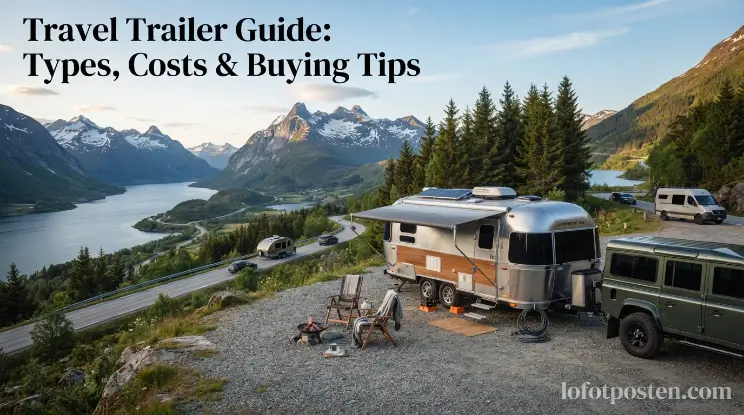
The cost of a travel trailer can vary greatly depending on several factors, including its size, brand, construction quality, features, and whether it is new or used. Smaller and basic travel trailers are usually more affordable, making them a good choice for beginners, while larger models with luxury features can cost significantly more. The materials used in construction also affect the price. Trailers built with stronger frames, better insulation, premium interiors, and advanced technology usually have a higher price tag. Additional features such as larger kitchens, upgraded bathrooms, entertainment systems, solar panels, and extra storage can also increase the overall cost.
New Travel Trailer Prices
New travel trailer prices depend on the trailer’s size, design, brand, features, and level of comfort. Entry-level models are usually more affordable and are a popular choice for beginners who want to start RV camping without a large investment. These smaller trailers typically offer basic features such as sleeping areas, a small kitchen, and essential storage.
Mid-range travel trailers usually cost more because they provide additional space, better materials, and improved features such as larger living areas, upgraded appliances, and more comfortable layouts. They are often preferred by families and travelers who take longer trips.
New travel trailers generally cost more but offer benefits such as:
- Latest features
- Manufacturer warranties
- Modern designs
- Fewer immediate repairs
Small and lightweight models are usually more affordable, while larger luxury trailers can cost significantly more due to advanced equipment and premium interiors.
Additional Ownership Costs
Buying a travel trailer is only the first expense because owning one involves several ongoing costs beyond the initial purchase price. Many new buyers focus only on the trailer’s cost but forget about the additional expenses required to maintain, protect, and use it over time.
Some common ownership costs include insurance, maintenance, storage, repairs, and camping accessories. Regular maintenance, such as checking tires, inspecting roof seals, and servicing electrical or plumbing systems, helps prevent expensive problems in the future. Owners may also need to pay for storage space if they do not have enough room to keep the trailer at home.
Owners should also consider ongoing costs such as:
| Expense | Description |
| Insurance | Protection against accidents and damage |
| Maintenance | Repairs, inspections, and replacements |
| Storage | Space rental when not in use |
| Accessories | Camping equipment and upgrades |
| Repairs | Unexpected mechanical or structural issues |
Planning for these expenses helps avoid financial surprises after purchase.
How to Choose the Right Travel Trailer
Choosing the right travel trailer depends on your personal needs, budget, and the type of adventures you plan to take. Every traveler has different requirements, so the best trailer for one person may not be the right choice for another. Before buying a travel trailer, you should consider factors such as how many people will use it, how often you plan to travel, the type of destinations you visit, and the level of comfort you need. For example, a couple who enjoys short weekend trips may prefer a small and lightweight trailer, while a family planning longer vacations may need a larger model with more sleeping space and storage.
Consider Your Travel Needs
Before purchasing a travel trailer, it is important to think about your travel needs and how you plan to use the trailer. The right choice depends on factors such as the number of people traveling, the length of your trips, and the type of camping experiences you prefer.
If you usually take short weekend trips, a smaller and lightweight travel trailer may be a better option because it is easier to tow, park, and maintain. However, if you plan to travel for longer periods with family or friends, you may need a larger trailer with extra sleeping space, a bigger kitchen, more storage, and a comfortable living area.
Before buying, ask yourself:
- How many people will use the trailer?
- Will you take short weekend trips or long journeys?
- Will you camp at developed parks or remote locations?
- How much storage space do you need?
A couple traveling occasionally may prefer a smaller model, while a family may need a larger floor plan with extra sleeping areas.
Check Your Towing Capacity
One of the most important steps when buying a travel trailer is making sure your tow vehicle can safely handle the trailer’s weight. Every truck, SUV, or towing vehicle has a specific towing capacity, which is the maximum amount of weight it can pull safely.
Choosing a trailer that is too heavy for your vehicle can create serious problems, including difficulty controlling the trailer, longer braking distances, increased fuel consumption, and possible damage to your vehicle. For this reason, you should always check your vehicle’s towing limits before making a purchase.
Always check:
- Maximum towing capacity
- Trailer weight rating
- Payload capacity
- Hitch requirements
Choosing a trailer that is too heavy can create safety issues and make driving uncomfortable.
Choose the Right Floor Plan
The floor plan of a travel trailer plays an important role in determining your comfort and overall camping experience. The floor plan refers to the arrangement of different areas inside the trailer, including the sleeping space, kitchen, bathroom, dining area, and storage sections.
A well-designed layout makes the trailer feel more spacious and functional. For example, families may prefer a travel trailer with multiple sleeping areas, bunk beds, and extra storage, while couples may choose a smaller layout with a comfortable bedroom and a practical kitchen area.
Consider features such as:
- Number of beds
- Kitchen size
- Bathroom layout
- Storage space
- Dining area
A well-designed floor plan makes even a smaller travel trailer feel comfortable.
Benefits of Owning a Travel Trailer
A travel trailer offers many benefits for people who love traveling, camping, and exploring new destinations while still enjoying the comfort of a home-like space. It provides the freedom to travel at your own pace and experience outdoor adventures without giving up basic conveniences. One of the biggest advantages of owning a travel trailer is flexibility. Travelers can take their trailer to different campsites, detach it when needed, and use their tow vehicle to explore nearby areas. This makes road trips more convenient and enjoyable.
Key benefits include:
- Lower cost compared with motorhomes
- Ability to use your vehicle separately
- More affordable entry into RV camping
- Comfortable living space while traveling
- Freedom to explore different destinations
Many travelers choose travel trailers because they combine convenience, flexibility, and adventure without requiring a major lifestyle change.
Common Travel Trailer Mistakes to Avoid
Buying and owning a travel trailer can be an exciting experience, but beginners often make mistakes that can lead to extra costs, safety problems, or an uncomfortable camping experience. Understanding these common mistakes before purchasing or using a trailer can help you make better decisions and protect your investment. Many new owners focus only on the trailer’s appearance and features but forget important factors such as weight, towing ability, maintenance, and long-term expenses. Avoiding these mistakes ensures safer travels and helps you get the most value from your travel trailer.
Buying Too Large Too Soon
Many beginners make the mistake of buying a travel trailer that is bigger than they actually need because they think a larger trailer will automatically provide a better camping experience. While bigger trailers offer more space and additional features, they can also create challenges for new owners.
Large travel trailers are often more difficult to tow, maneuver, park, and store. They usually require stronger tow vehicles, more experience with driving, and extra care when navigating narrow roads, campsites, or parking areas. Larger models can also increase fuel costs and require more maintenance compared with smaller trailers.
Ignoring Weight Ratings
A common mistake many new travel trailer buyers make is focusing only on the trailer’s interior features, such as a large kitchen, comfortable beds, or extra storage, while ignoring the trailer’s weight and towing requirements. Although a trailer may have all the features you want, it must also be suitable for your tow vehicle.
Every truck, SUV, or towing vehicle has a specific weight rating that determines how much weight it can safely pull and carry. Choosing a travel trailer that exceeds these limits can create serious safety issues, including poor handling, difficulty stopping, increased stress on the vehicle, and reduced control while driving.
Skipping Maintenance
Regular maintenance is essential for protecting your travel trailer investment and ensuring it remains safe, reliable, and comfortable for years. Many owners make the mistake of using their trailer frequently but ignoring routine inspections and small repairs. Over time, minor issues can turn into expensive problems if they are not addressed early.
A travel trailer is exposed to different weather conditions, road vibrations, and outdoor elements, which can affect important parts such as the roof, tires, plumbing, and electrical systems. Regular maintenance helps identify potential problems before they cause major damage.
Common maintenance tasks include:
- Checking tires
- Inspecting roof seals
- Cleaning water systems
- Checking electrical connections
- Preparing the trailer for storage
Travel Trailer Maintenance Tips
Proper maintenance is important for keeping your travel trailer safe, reliable, and in good condition for many years. Like any vehicle or home, a travel trailer requires regular care because it is exposed to weather, road conditions, and frequent use. Routine maintenance helps prevent small problems from becoming expensive repairs. Regular inspections allow owners to identify issues early, such as water leaks, tire damage, electrical problems, or worn-out components. Taking care of these areas improves safety while traveling and helps protect the value of your trailer.
Important maintenance steps include:
- Inspect the roof regularly for leaks
- Check tire pressure before every trip
- Clean and protect exterior surfaces
- Maintain plumbing systems
- Store the trailer properly during off-season periods
Small maintenance tasks can prevent expensive repairs and keep your camping experience enjoyable.
Is a Travel Trailer Right for You?
A travel trailer can be a great option for people who love traveling, camping, and exploring the outdoors while still wanting the comfort and convenience of a small home. It allows travelers to enjoy nature without giving up important features like a comfortable sleeping area, kitchen, storage space, and a private living environment. A travel trailer is especially suitable for people who enjoy road trips, weekend getaways, family vacations, or long outdoor adventures. It provides the freedom to visit different destinations while carrying your own living space with you.
It is especially suitable for:
- Families who enjoy vacations
- Couples exploring new destinations
- Weekend campers
- Long-distance travelers
However, some people may prefer alternatives such as motorhomes, camper vans, or pop-up campers depending on their travel style.
Frequently Asked Questions
What is the average lifespan of a travel trailer?
A well-maintained travel trailer can last many years. Regular inspections, proper storage, and timely repairs significantly improve durability.
Can a regular SUV tow a travel trailer?
Some SUVs can tow smaller travel trailers, but the vehicle must have enough towing capacity. Always check manufacturer specifications before buying.
Are travel trailers cheaper than motorhomes?
Yes, travel trailers are usually more affordable because they do not include an engine or complex motor systems. They also typically have lower maintenance costs.
What size travel trailer is best for beginners?
A smaller or lightweight travel trailer is usually best for beginners because it is easier to tow, park, and maintain.
Do travel trailers hold their value?
Like most recreational vehicles, travel trailers depreciate over time. However, well-maintained models with popular features often retain better resale value.
Conclusion
A travel trailer offers a great combination of comfort, affordability, and freedom for people who enjoy traveling and outdoor activities. It allows campers to explore new destinations while still having access to home-like features such as sleeping space, a kitchen, storage, and a comfortable place to relax.
Because travel trailers are available in many different sizes, designs, and price ranges, they can meet the needs of different types of travelers. Beginners may choose smaller and lightweight models that are easier to tow, while families and experienced RV owners may prefer larger trailers with more space and advanced features.
