

The best esim for international travel is not one product — it is the right product for your trip length, your data appetite, and your tolerance for fiddling with settings in an airport. Five brands dominate the market: Airalo, Holafly, Saily, Nomad, and Ubigi. Each sells the same basic thing — mobile data delivered to your phone’s built-in eSIM, no plastic card, no roaming bill — but each wraps it in a different pricing model and personality. This comparison lays out how they differ, who each one suits, and the checks to run before any of them earns your money.
esim for international travel
An esim for international travel replaces the two old rituals of staying connected abroad: hunting a SIM kiosk at arrivals, and surrendering to your home carrier’s roaming rates. Your phone carries a programmable SIM chip; a travel eSIM provider loads a data plan onto it via a QR code or an app, and you land already connected.
Before comparing brands, confirm the ground rules apply to you:
- Your phone must support eSIM — most iPhones from the XS onward and most recent flagship Androids do
- Your phone must be carrier-unlocked; a phone still locked to a home carrier cannot accept a travel eSIM
- Almost all travel eSIMs are data-only, so calls and texts run through internet apps unless a specific plan includes voice
- Installation needs an internet connection, so install at home and activate on arrival
The industry body behind the standard, the GSMA, publishes the technical background on eSIM if you want the deep version. For everyone else, the five brands below are the practical shortlist.
best travel esim
Crowning a single best travel esim is impossible, but ranking by traveler type is easy:
- Best marketplace and cheapest light-use plans: Airalo. The widest catalog — individual countries, regions, and global bundles — with prices set per package. If you use modest data and visit one country at a time, Airalo is usually the cheapest legitimate way to connect, and its app makes top-ups painless.
- Best unlimited simplicity: Holafly. Fixed per-day pricing for unlimited data, the friendliest setup flow, and 24/7 support in several languages. Ideal for short trips and heavy users; expensive for light users on long trips. Our dedicated Airalo vs Holafly comparison runs this rivalry in full.
- Best budget newcomer polish: Saily. Built by the team behind NordVPN, Saily prices data packages competitively, runs a clean app, and has added perks like built-in security features and virtual locations on some plans. Its catalog is smaller than Airalo’s but covers the destinations most tourists visit.
- Best for Asia-Pacific depth: Nomad. Nomad eSIM plans are particularly strong across Asia, with competitive regional bundles and frequent promotions. A solid pick for multi-country Asian itineraries and for travelers who like shopping plan sizes rather than unlimited promises.
- Best for set-and-forget coverage in major markets: Ubigi. Ubigi, backed by a large automotive-connectivity group, offers tidy plans for major destinations, one eSIM that stays installed and is reused trip after trip with new packages, and a reputation for painless activation — popular with frequent flyers who hate reinstalling.
best esim for travel
Judging the best esim for travel for your specific trip comes down to four numbers and one habit. The numbers: how many days, how many countries, how many gigabytes you realistically use (check your phone’s data statistics for a normal month and scale down — travel days with hotel Wi-Fi usually burn less than you fear), and the total price from at least two providers for the same trip. The habit: buying regional plans when your itinerary crosses borders.
Multi-country trips are where beginners overspend. Buying a separate country plan per stop works, but regional bundles — one plan covering a continent or sub-region — usually cost less than the sum of singles and save you the install ritual at every border. Europe is the classic case: our guide to the best eSIM for Europe is devoted to exactly that choice, because a single regional plan transforms a five-country rail trip. Asia rewards the same thinking, as the country-by-country breakdown in our best eSIM for Asia guide shows.
Also weigh what happens when something goes wrong at midnight in a foreign city. Support quality is part of the product: Holafly’s always-on multilingual support is a genuine differentiator for anxious travelers, while marketplace brands rely more on in-app help and FAQs. If connectivity is mission-critical — remote work, a medical device, a child traveling solo — the support column deserves as much weight as the price column.

travel esim
Living with a travel esim day to day is mostly invisible, which is the point, but a few practical details separate smooth trips from annoying ones.
Keep your home line alive for the important stuff. With a dual-SIM setup — your physical or primary eSIM for calls and banking texts, the travel eSIM for data — you keep receiving the two-factor codes that banks insist on sending at the worst moments, while data flows on the cheap local plan. Set the travel line as the data default and disable data roaming on the home line so no stray megabyte bills you at roaming rates.
Watch the meter a little. Even “unlimited” plans carry fair-use speed policies, and finite plans run out at the least convenient time. A thirty-second check of the provider’s app each evening — how much is left, whether a top-up is cheap insurance — prevents the classic day-seven dead zone. And download what you can on Wi-Fi: offline maps for the whole region, translation packs, boarding passes, and entertainment. The cheapest gigabyte is the one you never buy.
esim for travel
An esim for travel also changes a few habits you may not expect. Airport arrival becomes boring in the best way: no queue, no cash exchange for a local SIM, no tiny tray of plastic cards to lose. Multi-city trips stop requiring you to research each country’s carriers before departure — the regional plan just keeps working as you cross borders, and your phone number situation (via data apps) never changes, so your traveling companions always reach the same account.
It also quietly improves security. Public airport and café Wi-Fi is where travelers expose banking and email sessions to sketchy networks; a private mobile data connection removes most of that temptation. Some providers, Saily most visibly, lean into this with built-in ad and tracker blocking or location features, turning the data plan into a modest security tool as well.
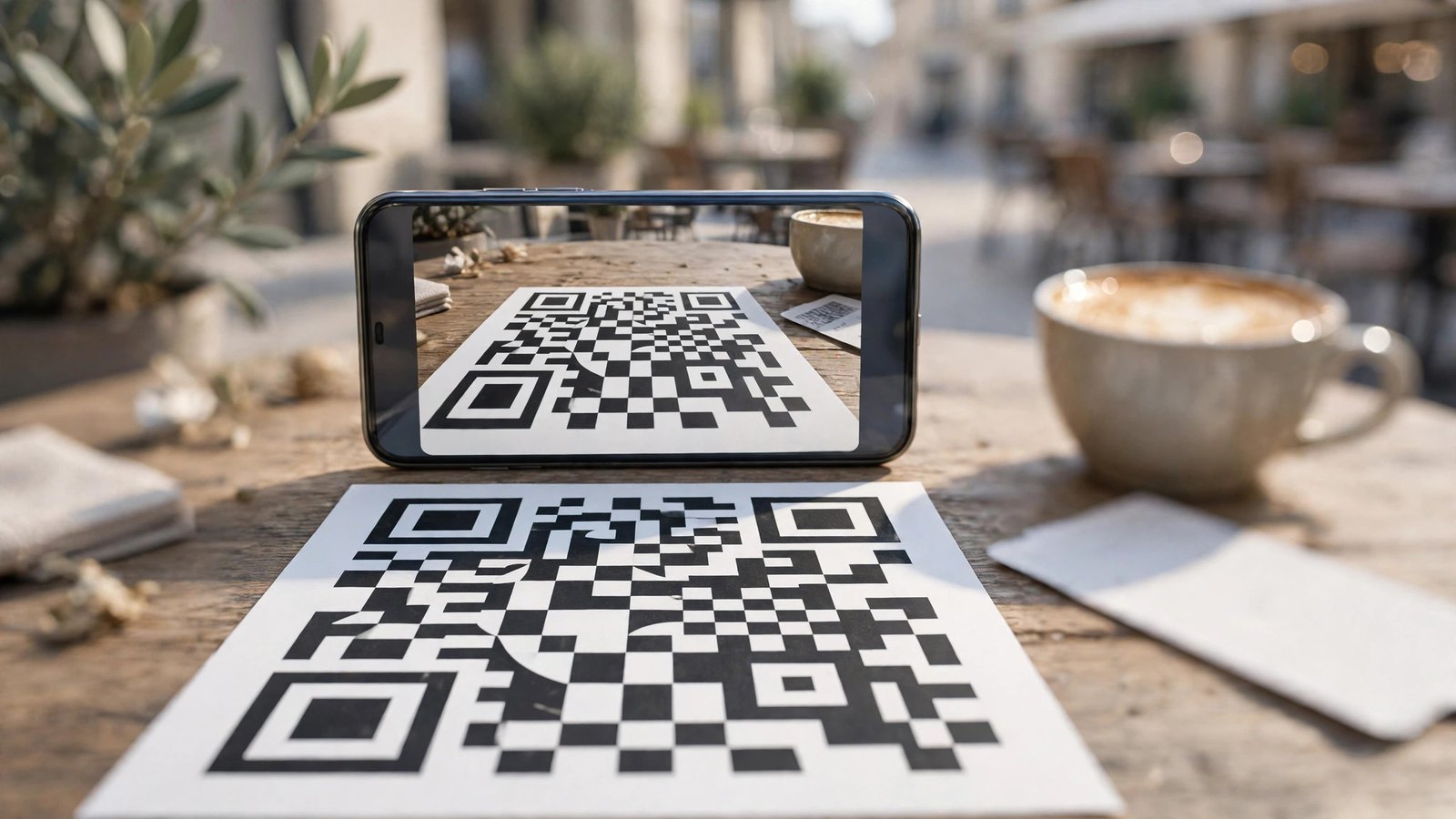
The one old ritual worth keeping: screenshot your QR code and activation details before departure, and keep your provider’s app installed for the whole trip. If a phone is replaced mid-trip, reissuing an eSIM can be fiddly; the screenshots and the support chat are your recovery path.

cheapest esim
The cheapest esim for a given trip is a moving target, but the hunt follows a pattern. Small country packages on Airalo frequently anchor the low end for light users — a few gigabytes in many countries cost less than a single day of carrier roaming. Nomad and Saily undercut the leaders on promoted routes often enough that checking a second app is always worth two minutes. Holafly is never the cheapest per gigabyte and often the cheapest per unit of worry, which is a different competition.
Three traps make travelers overpay regardless of brand:
- Buying too much data “to be safe.” With top-ups instant and cheap, starting one size smaller is almost always the right bet.
- Choosing a global plan for a regional trip. Global convenience carries a premium; regional plans exist precisely to avoid it.
- Paying for unlimited on a Wi-Fi-heavy trip. Conferences, hotels, and trains all provide Wi-Fi now. Many travelers burn a fraction of their feared usage.
And one absolute rule: always check current prices in the apps before you book. Providers reprice destinations constantly, and any article — this one included — can only describe the pattern, not today’s number.
international esim
An international esim earns its name when the trip gets complicated: three countries in ten days, a cruise with port days in different states, a work trip where the destination changes on day two. For these, prioritize in this order: coverage that genuinely includes every stop (read the country list, not the marketing headline), a top-up or plan-switch path that does not require starting over, and app reliability — you will live in that app at borders.
Global packages from Airalo and multi-region plans from Nomad and Ubigi are built for this pattern, while Holafly’s destination list covers most tourist multi-country routes with its unlimited model. Frequent travelers often settle on one provider whose eSIM stays installed permanently (Ubigi’s model encourages exactly this) and simply load a fresh package per trip, turning “sort out data” into a two-minute pre-flight ritual.
esim
Finally, a word on the esim itself, because the technology explains the pricing. An eSIM is a rewritable chip soldered into the phone; a “plan” is just a profile downloaded onto it. The phone can hold many profiles and use two lines at once. That is why prices have collapsed: no shops, no plastic, no logistics — a provider’s cost is wholesale data on a local carrier plus an app, so competition is almost purely on price and service. The GSMA’s consumer standard guarantees your profile works across compliant carriers, which is why a plan bought from a company in one country connects you flawlessly in another.
It is also why the category keeps improving. New brands launch, prices per gigabyte keep sliding, and features like in-app top-ups and instant delivery are now table stakes. The traveler wins all of it — provided you do the four-number check and resist buying the biggest plan out of habit.
Frequently asked questions
Which provider should a first-timer choose?
If the trip is under a week and you want zero decisions, Holafly. If it is longer or you are comfortable in apps, Airalo’s small packages deliver the same connectivity for much less. Either way, install before departure.
Can I keep my WhatsApp number on a travel eSIM?
Yes. WhatsApp and similar apps are tied to your account, not your data connection. Your number stays the same even though your data comes from the travel plan.
What if my phone does not support eSIM?
Your options are a physical local SIM on arrival, your carrier’s roaming package, or a pocket Wi-Fi rental — the alternatives priced in our eSIM vs roaming vs pocket Wi-Fi guide.
Do these plans work on tablets and laptops?
Data-only eSIMs generally work in any unlocked, eSIM-capable device, but hotspot and tethering rules vary by plan. Check the specific plan terms if a laptop is part of the plan.
The bottom line: the best esim for international travel is a match, not a medal. Match the pricing model to your usage, the coverage to your map, and the support to your anxiety level — then stop thinking about connectivity and go enjoy being somewhere else.
