
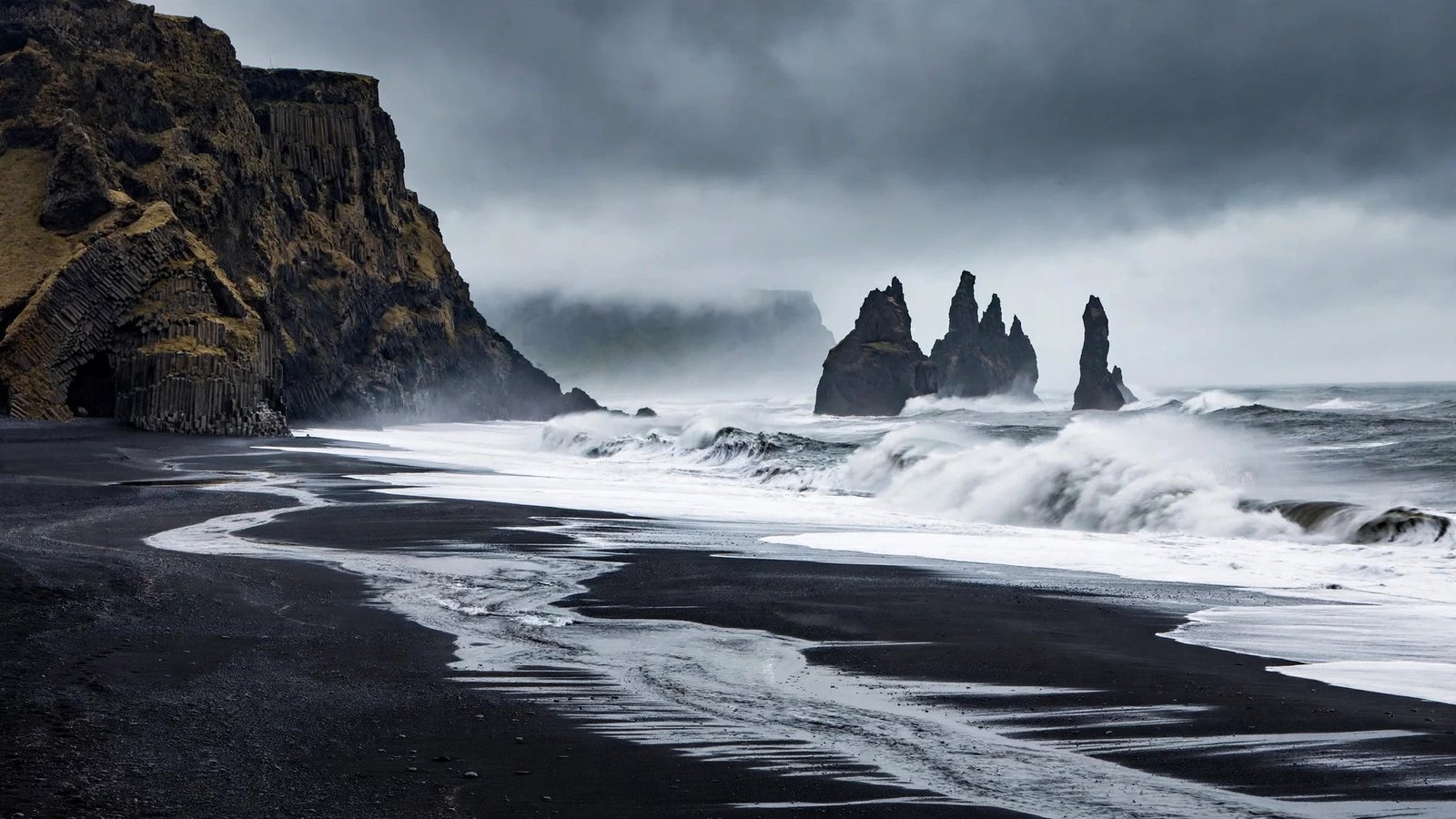
Iceland routinely tops world safety rankings, and the US State Department places it at Level 1, “Exercise Normal Precautions” — the lowest advisory tier there is. Crime is a rounding error in Icelandic travel. And yet visitors do get hurt in Iceland every year, because the thing that can hurt you there is not people. It is the island itself: North Atlantic weather, volcanic ground, glacial rivers and an ocean that does not forgive carelessness.
That is the spirit of this Iceland safety guide. The rules below are the ones Iceland’s own rescue services repeat to visitors — follow them, and Iceland is about as safe as travel gets anywhere on Earth. Several of them apply equally to its Nordic neighbor, as readers of our guide to the best places to visit in Norway will recognize.
Is Iceland Safe
By every interpersonal measure, exceptionally. Violent crime is rare, petty crime is uncommon even in Reykjavík, tap water is famously pristine, and solo travelers — including women traveling alone at night — report a level of ease few countries match. Police are unarmed as a matter of routine. If Iceland were only about people, this guide would be one paragraph long.
The honest complication is that Iceland’s landscape is genuinely hazardous in ways that look deceptively gentle. The weather can move from sunshine to horizontal sleet in an hour, marked trails run beside boiling mud, and some of the country’s most photographed beaches sit under waves with a documented, deadly pattern. Icelandic search and rescue teams — volunteers, coordinated through ICE-SAR — respond to hundreds of tourist callouts a year, most of them preventable. Respect the conditions layer of Iceland and the crime layer takes care of itself.
Practical foundations for every trip:
- Register your plan at SafeTravel Iceland and leave your itinerary; it is the system ICE-SAR checks first when someone is overdue.
- Download the 112 Iceland app — emergency help is 112 nationwide, and the app can send your location when signal is weak.
- Check the forecast at vedur.is and road conditions at road.is every morning, not the night before; both are official Icelandic services.
- Dress for the worst hour of the day, not the best: waterproof shell, warm layers and real footwear, even for “easy” stops on the Ring Road.
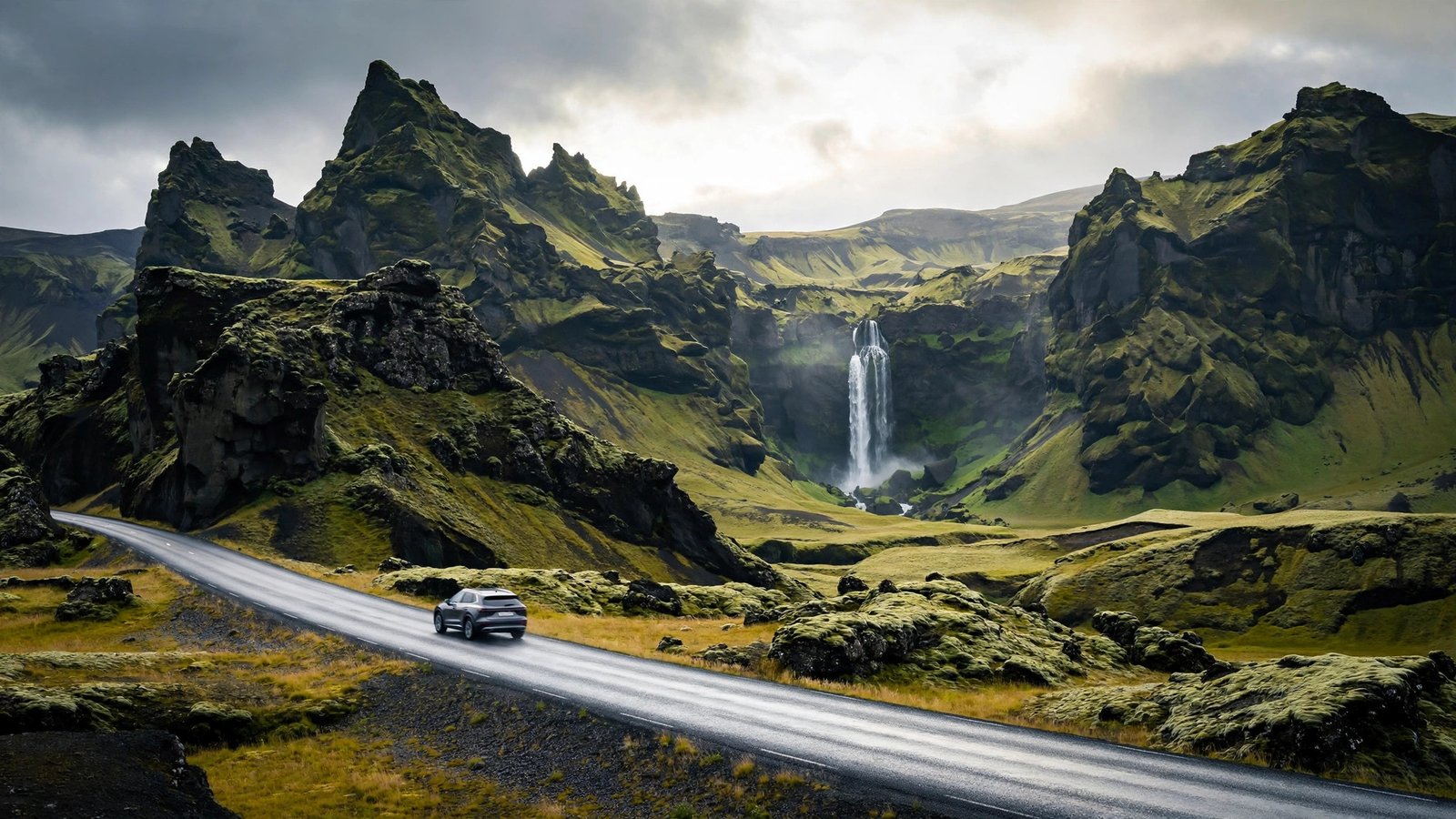
Iceland Road Safety and F Roads
Driving is where Icelandic safety gets serious. The Ring Road (Route 1) is paved and straightforward in summer, but even it demands adjustments: single-lane bridges where the car arriving first has right of way, blind rises, sheep on the road in rural districts, and wind strong enough to tear a car door from your hand — hold doors with both hands on gusty days, a uniquely Icelandic insurance claim.
Winter changes the calculation entirely. Daylight shrinks to a few hours, roads ice over, and sudden storms close routes outright. Rental cars come with winter tires by law in season, but visitors without snow-and-ice experience should seriously consider guided tours between roughly November and March, and everyone should build weather days into the itinerary rather than racing a storm to a prepaid hotel. Our Norway itinerary 10 days guide gives the same advice for the same reason — Arctic weather owns the schedule.
The highland F-roads are a category of their own:
- F-roads require a 4×4 — legally and practically. Driving them in a standard car voids rental agreements and strands people yearly.
- Rivers are the real gatekeepers. Highland routes cross unbridged glacial rivers whose depth changes with time of day, rain and glacier melt. Never enter a river that is rising, discolored with fresh melt, or deeper than the top of your tires; if in doubt, wait or turn back — locals do.
- Your rental insurance almost certainly excludes river crossings. Check the policy before the highlands, not after a tow truck quote.
- F-roads are summer-only, opening from roughly mid-June onward depending on snowmelt, and closing by autumn. There is no fuel, no signal in long stretches and no help nearby — travel them fueled, provisioned and reported on SafeTravel.
Reynisfjara Beach Safety
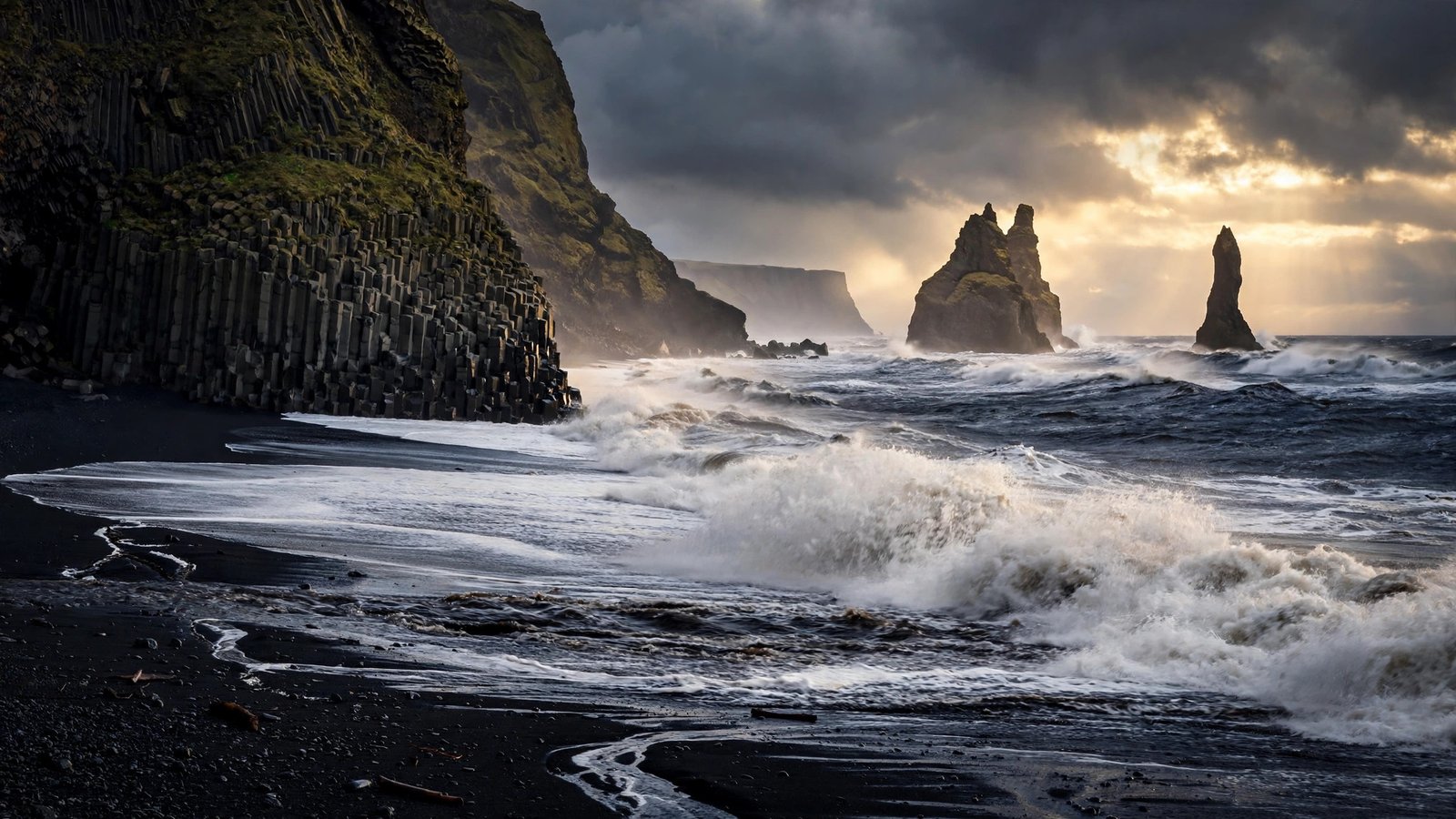
Reynisfjara, the black-sand beach near Vík famous for its basalt columns and sea stacks, is the single most dangerous tourist site in Iceland — and the most instructive. Its hazard is “sneaker waves”: within a calm-looking set of breakers, individual waves periodically run dramatically further up the beach, with enough force to knock adults down and drag them into water that is cold enough to incapacitate within minutes. Tourists have drowned here, including in recent years, often while posing for photographs with their backs to the sea.
The beach now operates a warning-light system based on wave conditions: green, yellow and red zones of caution posted at the entrance. Treat those signs as law, not suggestion.
- Never turn your back on the ocean at Reynisfjara — or at any south-coast beach, including nearby Dyrhólaey.
- Stay well back from the waterline, far beyond the wet sand; sneaker waves exceed the visible reach of the previous sets.
- Keep children within arm’s reach and off the shoreline entirely.
- If the light is red, admire the beach from the signed viewpoint and leave the shoreline for another day.
Everything about Reynisfjara is worth seeing. Nothing about it is worth wading for.
Volcanoes, Glaciers and Boiling Ground
Volcanoes. Iceland erupts regularly, and since 2021 the Reykjanes Peninsula — near both Keflavík airport and the Blue Lagoon — has entered an active phase, with repeated fissure eruptions near Grindavík that have forced evacuations of the town and periodic closures of the area. An eruption is a spectacular sight only from where authorities say it is: closures around active sites are absolute, gas pollution can drift over hiking areas, and new lava fields remain dangerously hot long after they darken. Check vedur.is and local news; if a site is closed, it is closed.
Glaciers. Never walk on a glacier without a certified guide and provided equipment (crampons, helmet, harness). Crevasses hide under innocent-looking snow, and conditions change weekly. Guided glacier hikes from Skaftafell and the south-coast outfitters are excellent and exist precisely because the DIY version is how accidents happen. The same rule covers ice caves, which are guided-only and seasonal.
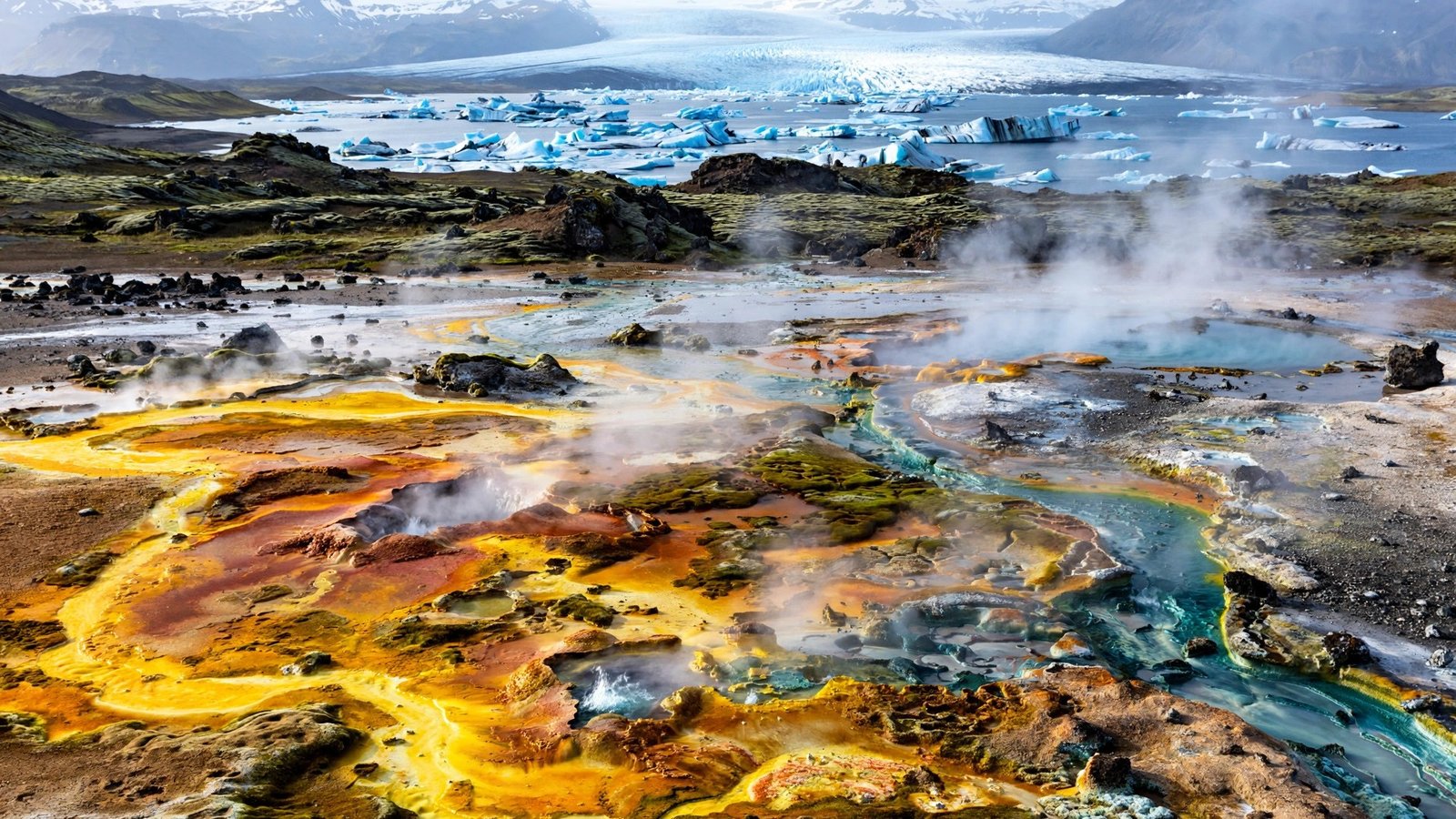
Geothermal areas. At Hverir, Seltún, Geysir and a dozen other sites, the crust over boiling water and mud can be tissue-thin beyond the marked paths — and the water beneath runs near boiling point. Stay on boardwalks and behind ropes, keep children close, and never test a pool with a hand; locals read the mineral colors as the warning label they are.
Waterfalls and cliffs. Skógafoss, Seljalandsfoss and their peers are rimmed with wet, algae-slick rock. Viewpoint fences mark where footing and wind gusts have already taught their lessons. Stay inside them, especially in winter ice.
Winter, Darkness and the Northern Lights
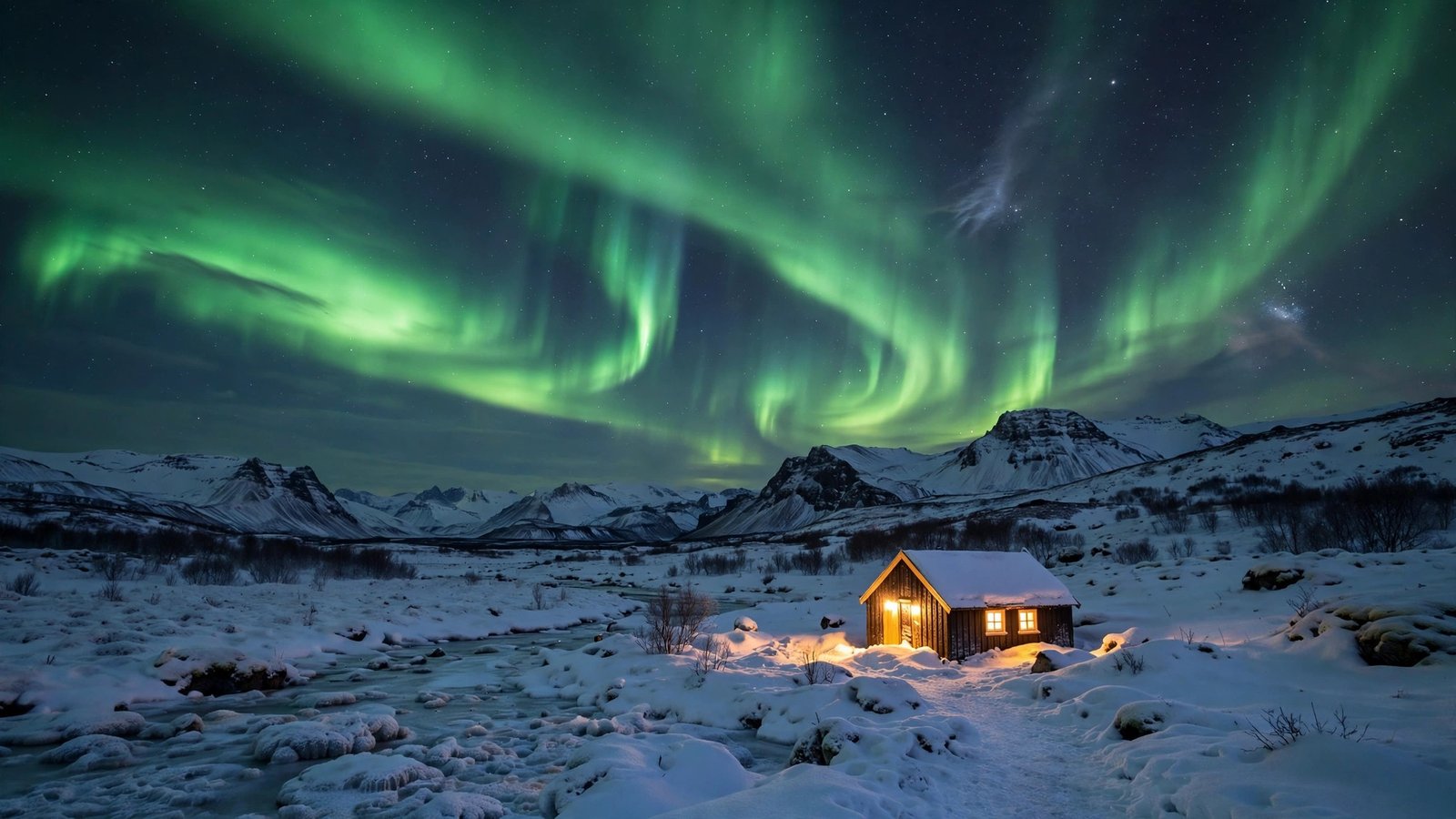
The aurora season (roughly late August to mid-April) brings its own pattern of accidents: visitors driving unfamiliar, icy roads at midnight, parked half on narrow roadways, standing in traffic lanes in the dark. If you are hunting northern lights, the safe version is simple — pull fully off the road into a real parking area, wear something reflective, and consider a guided tour that puts the driving in professional hands. It is no coincidence that Mediterranean favorites ask the opposite questions; our is Greece safe for tourists guide is mostly about pickpockets and heat, which tells you how completely Iceland’s risk profile is written by nature.
Packing for Icelandic Conditions
Most visitor injuries in Iceland are preceded, hours earlier, by an ordinary packing decision. The climate punishes optimistic clothing with a thoroughness that catches out travelers who have handled “cold” in Chicago or Munich — because Icelandic cold arrives with wind and horizontal rain attached, in every month of the year.
The working kit is unglamorous and effective:
- A genuine waterproof shell, jacket and pants — “water-resistant” fails by lunchtime in real Icelandic weather.
- Merino or synthetic layers; cotton is a liability once wet, and it will get wet.
- Broken-in waterproof hiking boots with ankle support — trails to famous waterfalls are mud, gravel and slick rock, and trainers are the footwear of the rescued.
- Hat, gloves and a warm mid-layer even in July; summit and coastal weather runs 10–20 degrees colder than the sheltered town you left.
- Headlamp in winter (the dark is near-total for much of the day) and an eye mask in summer, when it never gets dark at all and hotel curtains vary in commitment.
- A refillable water bottle instead of bought water — streams and taps alike are famously clean; guides will point out the traditional safe sources on hikes.
If Something Goes Wrong: Rescue, Hospitals and Insurance
Iceland’s rescue system is superb and unusual: search and rescue is performed largely by trained ICE-SAR volunteers, and rescue itself is not billed to the rescued — a generosity that visitors should treat as a reason to call early rather than late. If you are lost, injured or watching conditions deteriorate past your ability, calling 112 sooner is always the right move; the system’s whole design assumes it.
Medical care concentrates in Reykjavík (Landspítali, the national hospital) with regional hospitals and health clinics in larger towns such as Akureyri, Ísafjörður and Egilsstaðir. Distances between them are the point: in the Westfjords or the Eastfjords, you can be hours from a hospital on good roads, which is the practical argument for travel insurance that includes helicopter or fixed-wing medical evacuation and repatriation. European visitors should note that post-Brexit and EEA arrangements differ by nationality — Americans should simply assume care is billable and insure accordingly.
Finally, the administrative basics: Iceland is in the Schengen Area, so US passport holders visit visa-free for short stays under the usual 90/180 rule, and the country’s Level 1 status means no special documentation beyond a valid passport. Save the 112 app, the SafeTravel registration and your insurer’s emergency line in your phone before the plane lands, and Iceland’s excellent safety net is fully switched on for you.
Frequently Asked Questions
What is the emergency number in Iceland? 112, for police, fire, ambulance and rescue. Download the 112 Iceland app before you go.
Is it safe to drive Iceland in winter? It can be, for drivers with genuine winter experience, flexible schedules and daily checks of road.is. Otherwise, guided tours are the wiser choice from November to March.
Can I drink the tap water? Enthusiastically yes — Icelandic tap water is spring water and widely considered among the best in the world. Fill a bottle and skip the plastic.
Are the volcanoes safe to visit? Only at sites and viewpoints the authorities have opened, with closures respected absolutely. When in doubt, the answer is the livestream and the designated viewing areas, not the fence line.
The Bottom Line
Iceland asks something unusual of visitors: near-total personal safety in exchange for total personal responsibility outdoors. The crime statistics are a non-issue, the water is pure, the people are helpful — and the weather, rivers, waves and volcanoes operate on Arctic terms regardless of your itinerary. Plan each day around the official forecasts, register your plan, stay behind the ropes and the warning lights, and Iceland’s hazards become scenery again. That is the whole of this Iceland safety guide — and it works.
