
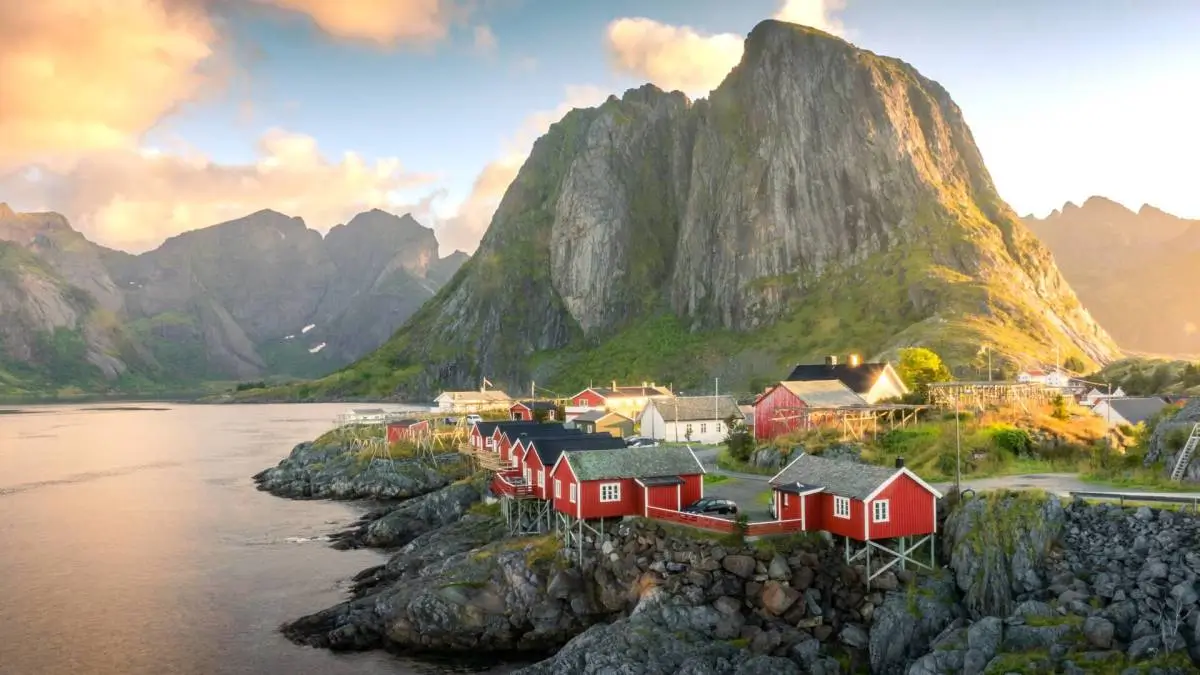
Lofoten Islands are widely admired for their extraordinary natural beauty, dramatic landscapes, and distinctive cultural experiences. Year after year, travelers are drawn to this unique destination, seeking unforgettable adventures, pristine surroundings, and authentic local encounters. As tourism continues to grow, it has become a powerful force shaping the economy and lifestyle of the islands.
Tourism plays an essential role in driving economic development in Lofoten. From generating employment to fostering business growth, the influx of visitors directly supports local livelihoods while influencing broader economic trends. Understanding how tourism impacts Lofoten’s local economy provides insight into both the opportunities and responsibilities associated with managing a popular travel destination.
This article explores the first three ways in which tourism shapes Lofoten’s economy: the creation of employment, the stimulation of local businesses and revenue, and the development of infrastructure. Each section explains the multifaceted benefits tourism brings, highlighting its significance for residents and long-term economic sustainability.
Tourism as a Driver of Local Employment
Tourism in Lofoten is a major contributor to employment opportunities, offering both seasonal and permanent jobs across multiple sectors. The arrival of visitors creates a demand for services that directly benefits the local population.
Hospitality Sector Jobs
Hotels, guesthouses, and other accommodations expand their operations as visitor numbers increase. This expansion requires additional staff, including receptionists, housekeeping teams, and hotel managers. Similarly, restaurants and cafés experience higher customer volumes, creating steady employment opportunities for chefs, servers, and kitchen staff.
Tour operators and guides specializing in hiking, fishing, and cultural tours also benefit from the rise in tourism. Many locals find work leading guided excursions, providing authentic experiences to visitors while earning income that supports their households.
Opportunities for Small Businesses
Small businesses thrive when tourism is strong. Souvenir shops, local boutiques, and artisanal stores see increased demand for unique goods. Adventure service providers, such as kayaking tours, hiking trips, and wildlife photography excursions, also experience a boost in business. Transportation services, including taxis and rental vehicles, expand to meet tourist demand.
These opportunities encourage innovation, motivating local entrepreneurs to develop niche offerings that cater specifically to travelers’ interests and needs.
Indirect Employment Benefits
Beyond direct employment, tourism indirectly supports jobs in construction, logistics, and community services. New hotels, restaurants, and recreational facilities require construction and maintenance staff, while suppliers of goods and equipment benefit from increased demand. Community services such as healthcare, waste management, and safety operations also scale up during peak tourist seasons.
Through this interconnected system, every visitor contributes to economic growth, demonstrating the broad impact of tourism impacts Lofoten’s local economy.
- GeoBlue Travel Insurance: Plans, Benefits & Coverage Guide
- Travel Images: Best Photos, Ideas & Usage Tips
- BEIS Travel Guide: Best Bags, Features & Buying Tips
- Travel Clipart: Best Free Designs & Creative Ideas
- One Travel: Complete Guide to Planning Your Perfect Trip
Boosting Local Businesses and Revenue
Tourism not only generates employment but also significantly increases revenue for businesses of all sizes. It acts as a financial engine that supports both entrepreneurs and long-term economic growth in Lofoten.
Revenue for Restaurants and Cafés
Restaurants and cafés experience considerable revenue growth due to the presence of tourists. Travelers actively seek authentic culinary experiences, encouraging eateries to highlight regional ingredients and traditional recipes. Seasonal menus and special events further capitalize on tourist interest, enhancing profitability while offering visitors unique experiences.
Growth of Retail and Artisan Markets
Local crafts, artwork, and souvenirs become highly sought after by visitors, boosting sales for artisans and shop owners. Cultural products that reflect the identity and heritage of the islands create a stable market, encouraging the preservation of traditional skills. Retail businesses diversify their offerings to appeal to a wider range of tourists, generating sustained economic benefits.
Tourism-Driven Investment
The demand generated by tourism encourages investment in both infrastructure and entrepreneurial ventures. Hotels, resorts, and recreational facilities expand, while new businesses emerge to meet visitors’ needs. Successful enterprises often contribute to community initiatives and local development projects, reinforcing the positive cycle of economic growth.
Infrastructure Development and Urban Growth
Tourism fosters infrastructure improvements, which benefit both residents and visitors. Investments in transport, accommodation, and recreational facilities enhance accessibility and quality of life while supporting economic growth.
Transport and Accessibility
Airports, ferry services, and road networks are upgraded to accommodate increasing numbers of visitors. Public transportation options, including buses and shuttles, have been improved to connect key tourist attractions. Enhanced accessibility not only supports the tourism industry but also facilitates trade, travel, and daily life for residents.
Accommodation and Recreational Facilities
The expansion of hotels, guesthouses, and other lodging options ensures high-quality visitor experiences. Hiking trails, viewpoints, and recreational facilities are developed to cater to both tourists and the local population. Enhanced amenities improve the overall standard of living for residents while creating additional economic opportunities.
Sustainable Infrastructure Development
Tourism encourages the adoption of eco-friendly initiatives. Resorts and service providers invest in technologies that reduce environmental impact, while waste management and renewable energy solutions are funded through tourism revenue. Preserving natural landscapes ensures the long-term appeal of Lofoten and supports sustainable economic growth.
How Tourism Impacts Lofoten’s Local Economy
Cultural and Social Impacts
Tourism in Lofoten has a profound effect on the cultural and social life of the islands. Beyond economic benefits, it strengthens local identity, promotes heritage preservation, and fosters community engagement. Understanding these impacts is critical to appreciating how tourism holistically impacts Lofoten’s local economy.
Preservation of Cultural Heritage
The growing number of visitors has created an incentive to preserve and showcase cultural traditions. Local festivals, music, and artistic performances attract tourists while providing residents with an opportunity to celebrate and maintain their heritage. Traditional fishing techniques, crafts, and culinary practices are increasingly highlighted, ensuring that cultural knowledge is passed on to younger generations.
Tourism creates both a platform and a financial incentive for heritage preservation. Museums, art exhibitions, and cultural workshops not only educate visitors but also generate income for local communities. In this way, culture becomes a driver of economic growth, demonstrating one of the subtler but highly valuable aspects of how tourism impacts Lofoten’s local economy.
Community Engagement and Social Cohesion
Tourism encourages active participation from local communities. Residents often take roles as guides, educators, or hosts, fostering engagement and pride in their surroundings. Schools and community organizations sometimes collaborate with tourism initiatives to promote local history and environmental stewardship.
The interaction between locals and visitors helps build social cohesion. Through shared experiences, cultural understanding is enhanced, and community identity is strengthened. These interactions also create indirect economic benefits, as locals gain employment and business opportunities while fostering a welcoming environment for tourists.
Social Challenges and Solutions
While tourism brings benefits, it can also create social challenges. Overcrowding in popular areas, rising living costs, and shifts in local lifestyles may impact long-term community wellbeing. Addressing these issues requires careful planning, such as implementing visitor limits, promoting off-season tourism, and investing in community infrastructure.
By balancing tourism growth with the needs of residents, Lofoten can sustain both its economy and cultural integrity. This balance highlights an important aspect of how tourism impacts Lofoten’s local economy, demonstrating the interconnectedness of social and economic factors.
Tourism’s Contribution to the Fisheries and Food Economy
Tourism significantly influences the fisheries and food-related industries of Lofoten. Local cuisine and seafood products are central to visitors’ experiences, creating a direct link between tourism and the local economy.
Boost to Seafood Markets
The demand for fresh seafood has increased due to tourism. Restaurants, markets, and specialty stores benefit from higher sales, particularly during peak tourist seasons. Visitors often seek authentic culinary experiences, including locally sourced fish and traditional dishes, which directly supports the income of fishermen and related businesses.
Tourism also encourages small-scale fisheries to maintain quality standards and diversify their offerings. This ensures that both visitors and locals enjoy sustainable access to high-quality seafood, reflecting one of the tangible ways in which tourism impacts Lofoten’s local economy.
Promotion of Sustainable Fishing Practices
The presence of tourists interested in sustainable travel encourages the adoption of eco-friendly fishing methods. Responsible tourism fosters awareness about marine conservation, and local fisheries implement sustainable practices to protect fish stocks while meeting demand.
This emphasis on sustainability not only preserves the natural environment but also positions Lofoten as a responsible destination. By integrating eco-conscious practices, tourism directly supports long-term economic stability within the fisheries sector.
Culinary Tourism as an Economic Driver
Culinary tourism has emerged as a major contributor to Lofoten’s economy. Cooking classes, seafood festivals, and tasting tours attract high-spending travelers and generate substantial revenue for restaurants and producers. Tourists gain an immersive cultural experience, while local businesses increase profitability and strengthen their market presence.
Through these mechanisms, food and fisheries highlight another essential dimension of how tourism impacts Lofoten’s local economy, linking cultural authenticity with economic gain.
Challenges and Risks for the Local Economy
While tourism provides substantial benefits, it also introduces challenges that can affect economic stability and sustainability. Understanding these risks is critical to managing growth and ensuring that tourism remains a positive force.
Seasonality and Economic Fluctuations
Tourism in Lofoten is highly seasonal, with visitor numbers peaking during summer and winter holidays. This creates fluctuations in revenue and employment, with some businesses experiencing off-season slowdowns. Seasonal dependence can challenge financial stability and make long-term planning difficult.
To mitigate these effects, strategies such as promoting off-season activities, diversifying attractions, and offering year-round events are implemented. These approaches reduce economic vulnerability and ensure that the benefits of tourism are more evenly distributed throughout the year.
Rising Costs and Inflation
The popularity of Lofoten as a tourist destination can lead to increased living costs. Property values, goods, and services may rise due to high demand from visitors. While this benefits businesses, it can also create affordability challenges for residents.
Managing this requires careful regulation of property markets and support for affordable services. By balancing tourist demand with local needs, communities can maximize economic benefits while minimizing social strain.
Environmental and Economic Balance
Maintaining natural landscapes and ecosystems is crucial to sustaining tourism in Lofoten. Overuse of fragile areas can damage the environment and reduce the region’s attractiveness to visitors. Investments in sustainable practices, infrastructure, and environmental protection are necessary to maintain long-term economic growth.
This relationship underscores the importance of planning and strategy in understanding how tourism impacts Lofoten’s local economy. Sustainable practices ensure that tourism continues to provide benefits without compromising natural or cultural resources.
FAQs
How does tourism create jobs in Lofoten?
Tourism generates employment across multiple sectors, including hospitality, restaurants, guided tours, and small businesses. Seasonal peaks also provide temporary positions that supplement local incomes.
How do local businesses benefit from tourism?
Restaurants, cafés, retail stores, and artisan markets see increased revenue from visitor spending. Tourism also encourages entrepreneurship and investment in new products and services.
Does tourism improve infrastructure in Lofoten?
Yes, tourism drives the development of transport networks, lodging, and recreational facilities, enhancing accessibility and quality of life for both residents and visitors.
How does tourism support cultural preservation?
Tourists’ interest in local traditions motivates communities to maintain festivals, crafts, and culinary practices, ensuring that heritage is celebrated and sustained.
What is the impact of tourism on the fisheries and food economy?
Tourism boosts demand for local seafood, encourages sustainable fishing practices, and supports culinary tourism activities such as festivals and cooking classes.
Are there challenges associated with tourism in Lofoten?
Yes, seasonality, rising costs, and environmental pressures pose challenges. Strategic planning and sustainable practices are essential to mitigate negative effects.
Can tourism in Lofoten be sustainable long-term?
Yes, by implementing eco-friendly initiatives, managing visitor numbers, and investing in infrastructure, tourism can remain sustainable while continuing to benefit the economy.
How does tourism affect social cohesion?
Tourism fosters community engagement as locals participate in guiding, hosting, and educational roles, strengthening social bonds and promoting cultural pride.
Why is culinary tourism important for Lofoten?
Culinary tourism attracts high-spending visitors, promotes local ingredients, and enhances the overall visitor experience, generating significant economic benefits.
What makes tourism essential for Lofoten’s economic growth?
Tourism drives employment, revenue, infrastructure investment, cultural preservation, and sustainable practices, collectively strengthening the region’s economy and global appeal.
Conclusion
Tourism has become a transformative force for the Lofoten Islands, influencing every facet of local life and economic activity. From generating employment and supporting small businesses to enhancing infrastructure and preserving cultural heritage, the benefits are both immediate and long-lasting. The influx of visitors has helped Lofoten thrive as a dynamic destination, providing new opportunities for residents and entrepreneurs alike.
At the same time, tourism presents challenges that require careful management. Seasonal fluctuations, rising living costs, and environmental pressures demand strategic planning and sustainable practices. By addressing these challenges responsibly, Lofoten can ensure that tourism continues to generate economic growth while maintaining the natural and cultural assets that make the region unique.
Overall, the story of Lofoten illustrates the profound ways in which tourism impacts Lofoten’s local economy. It demonstrates that tourism, when managed thoughtfully, can be a powerful driver of prosperity, cultural preservation, and community wellbeing, ensuring a thriving future for the islands and their residents.
