

Knowing how to file a travel insurance claim calmly and correctly is the difference between a policy that pays and a policy that disappoints. Most claims are not rejected because the loss was uncovered — they stall or fail because of missing documents, missed deadlines, or a story the paperwork cannot prove.
This step-by-step guide walks through the whole process, from the moment something goes wrong on your trip to the day the reimbursement lands. Follow it in order and you will give your claim the strongest possible chance. If a claim does get turned down, our guide on what to do when a travel insurance claim is denied explains the appeal process.
Step 1: Act while the problem is still happening
The claims process actually starts during the incident, not after you get home. If you are hospitalized, your flight is cancelled, or your bag disappears, contact your insurer’s 24/7 assistance line as soon as it is safe and practical. Many policies require timely notification for medical cases and evacuations, and the assistance team can open your file, confirm what is covered, and sometimes pay providers directly.
Just as importantly, start collecting evidence immediately:
- Photograph or save every receipt, ticket, and notice as you receive it
- Get names, dates, and reference numbers for every phone call with suppliers
- Ask airlines for written confirmation of delays and cancellations, not just verbal explanations
- For theft, file a police report within the timeframe your policy specifies — often 24 hours
- For medical care, request itemized bills and the treating physician’s report before you leave the facility
Travelers who treat documentation as part of the emergency response file claims in days. Travelers who reconstruct events from memory three weeks later file claims that drag on for months.

how to claim travel insurance
The mechanics of how to claim travel insurance have modernized. Most major insurers now let you start a claim online or in an app: you enter your policy number, describe the incident, upload documents, and track progress. Phone and mail filing still exist, particularly with traditional insurers, but digital filing is faster and creates its own paper trail.
Begin by identifying which benefit you are claiming under — cancellation, interruption, delay, medical, baggage — because each benefit has its own form and document list. A single incident can legitimately generate claims under more than one benefit: a hurricane might produce a delay claim for the stranded days and an interruption claim for the tour you missed.
Submit one organized claim per benefit, cross-referencing the others. Upload clear scans rather than phone photos of crumpled receipts when you can, and name files sensibly. Claims examiners are human; a tidy file gets understood faster than a shoebox of unlabeled images. The U.S. State Department’s insurance guidance for travelers also reminds Americans that the government cannot step in on medical bills abroad — which is precisely why getting this private claim right matters.
travel insurance claims process
The travel insurance claims process follows a predictable arc once your file is submitted. First comes acknowledgment, usually within a few business days, with a claim number and the name or team handling your case. Keep that number on every communication.
Next, an examiner reviews your documents against the policy certificate: Was the event a covered reason? Did it happen during the coverage period? Are the amounts within the benefit limits? Examiners commonly request additional evidence at this stage — a physician’s statement, proof a supplier kept your money, or a complete itemized bill. Treat these requests as normal, respond quickly, and send exactly what is asked for.
Then comes the decision. Approved claims are paid by check or direct deposit, typically within a few weeks of a complete file, though complex medical claims take longer. Partial approvals happen when some expenses fall outside the certificate — an examiner should itemize what was paid and why the rest was not. Denials come with a reason and, in most states, a right to appeal with additional evidence.
Throughout the process, keep your own log of dates, documents sent, and promises made. If a claim stalls, a caller who can say “I submitted the physician’s statement on March 3rd and received no response” gets escalated far faster than one who simply feels it has been a while.
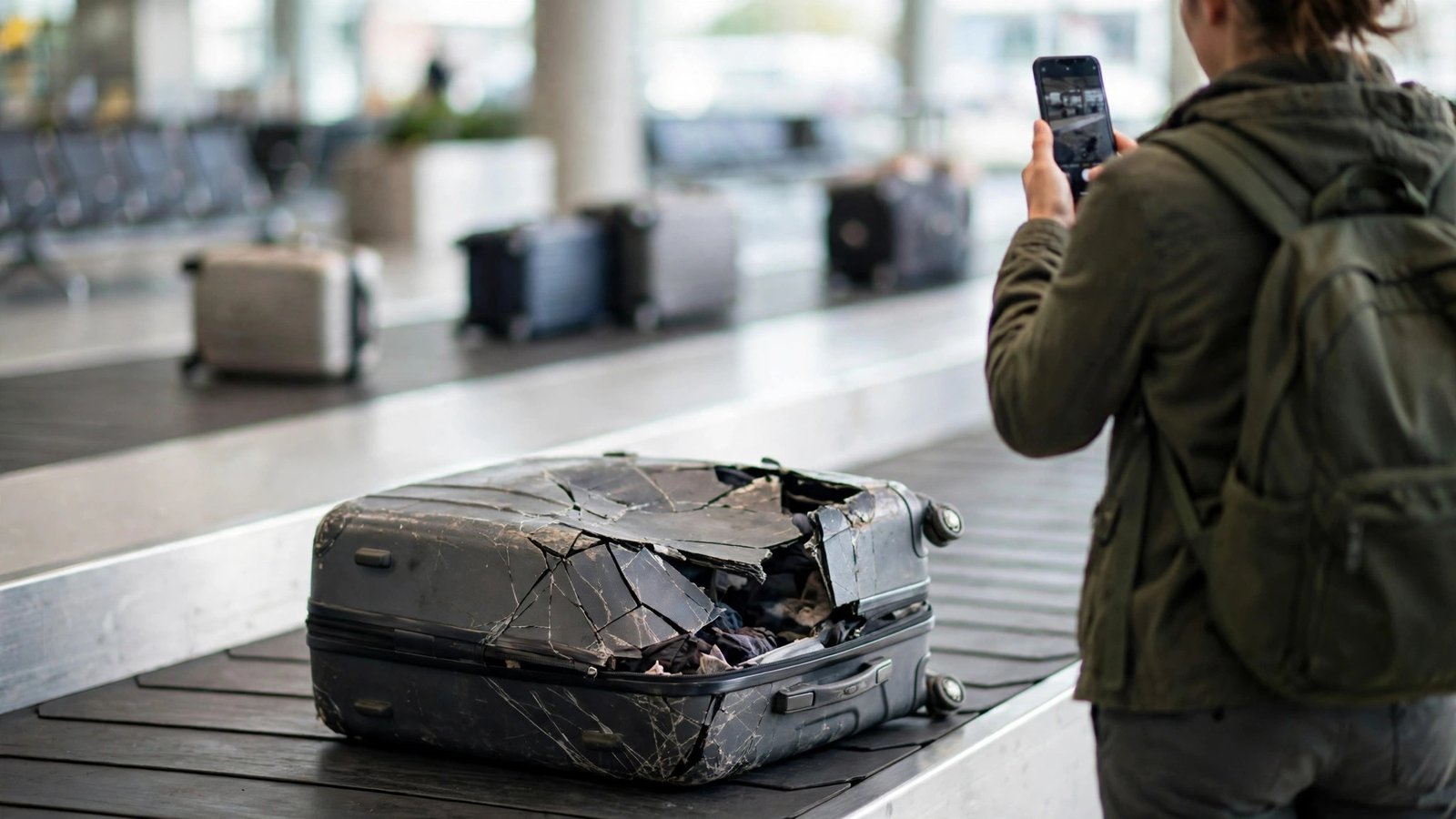
documents needed for a travel insurance claim
The exact documents needed for a travel insurance claim depend on the benefit, but a complete file usually contains the following core items:
- Proof of insurance: your policy certificate or confirmation showing coverage dates and limits
- Proof of travel: booking confirmations, itineraries, tickets, and receipts for everything prepaid
- Proof of loss: supplier statements showing what was refunded and what was kept, cancellation notices, or delay confirmations
- Proof of the event: a physician’s statement for medical cancellations, hospital bills and medical reports for treatment claims, a police report for theft, an airline letter for disruptions
- Proof of payment: credit card statements or receipts showing you actually paid the amounts claimed
- A completed claim form for the specific benefit, signed and dated
Two habits make this list painless. First, photograph documents as they appear during the trip rather than hunting for them later. Second, never throw away the originals until the claim is fully settled — an examiner can ask for an original or a better copy weeks into the process.
Knowing in advance what travel insurance does not cover also keeps you from wasting effort claiming expenses that were never insured, such as a cancellation for an unlisted reason under a standard policy.
Common mistakes that delay or sink claims
Certain avoidable errors appear in denied-claim files again and again. The first is claiming amounts a supplier already refunded or credited; insurers reimburse actual unrecovered losses, and claiming a refunded hotel night looks like double recovery. Report refund outcomes honestly and claim only the remainder.
The second is missing the filing deadline. Many policies require claims within a set period — often 60 to 90 days after the loss, sometimes with an initial notice required much sooner. Mark the deadline the day you get home.
The third is a vague incident description. “My flight was cancelled and I lost money” invites questions; “United cancelled flight UA123 on June 4 due to crew shortage, the attached letter confirms it, and the $412 hotel night in the attached invoice was nonrefundable and unused” invites a payment. Write your claim like a short, factual report with evidence attached to every sentence that carries a dollar sign.
Why claim amounts get adjusted
Travelers are often surprised when an approved claim pays less than the total they submitted. Adjustments are usually mechanical rather than hostile. The examiner subtracts anything a supplier refunded or credited, applies the deductible where the benefit has one, caps each expense at the benefit limit, and removes items the certificate excludes — a minibar charge on a delay claim, a souvenir replacement on a baggage claim.
Understanding the arithmetic helps you claim correctly the first time. List each expense separately with its evidence, state what the supplier kept and returned, and show your math. A claim that reconciles itself is a claim an examiner can approve without a follow-up letter, which is exactly what you want.
If an adjustment looks wrong, ask for the itemized calculation in writing. Insurers do make data-entry errors, and a polite request for the breakdown, compared line by line against your documents, resolves most discrepancies without a formal appeal.

Prepare a claims folder before you travel
The easiest claim is the one you prepared for before departure. When you buy a policy, create a folder — digital is fine — containing the policy certificate, the assistance phone number, and your booking confirmations. Add to it as the trip unfolds: boarding passes, receipts, notices, photographs of anything damaged or delayed.
This habit takes minutes and changes everything about a claim. Instead of reconstructing a trip from inboxes and coat pockets, you open one folder and upload. It also protects you in the worst scenario, where you are the patient and a companion has to start the claim on your behalf — they will know exactly where everything lives.
How long does a claim take?
Simple, well-documented claims — a baggage delay, a straightforward cancellation — often resolve in two to four weeks. Medical claims with foreign hospital billing, or claims requiring documents from third parties, can take six weeks or longer. Insurers in many states face regulatory timelines for acknowledging and deciding claims, which you can cite politely if your file goes silent.
If progress stalls, escalate in writing: reference your claim number, list what you have submitted and when, and ask for a specific missing item or a decision date. Written escalation creates the record that matters if you later appeal or complain to your state insurance department. And if the claim is denied outright, do not assume the story is over — our claim denied guide walks through appeals step by step, and a meaningful share of denials are reversed when better evidence arrives.

Frequently asked questions
Can I file a claim before my trip ends? Yes, and for medical emergencies you should contact the insurer during the trip anyway. Delay and baggage claims can often be started from the road; final documents can follow once you are home.
What if I lost a receipt? Explain the gap in writing and substitute what you have: a card statement showing the charge, a booking confirmation showing the price, or a supplier letter. A small undocumented expense may be trimmed, but one missing receipt rarely sinks an otherwise solid claim.
Do I claim from the airline or the insurer first? Both, in the right order: pursue the airline’s refund or compensation first, because the insurer will ask what the carrier paid, then claim your unrecovered remainder from the insurer.
What happens if the insurer asks for documents I cannot get? Say so in writing, promptly, and explain what you tried — for example, that a foreign clinic provided only a summary bill despite two requests. Examiners have discretion to accept substitutes such as card statements and sworn statements, but silence reads as abandonment, while a documented effort reads as good faith.
Conclusion
Filing a travel insurance claim well is mostly a matter of solid evidence, careful timing, and clear communication. Start documenting during the incident itself, claim under the correct benefit, submit a complete and honest file, and follow up in writing until it closes. Do those four things and the policy you bought will do what it promised: put the money back where the mishap took it from.
