
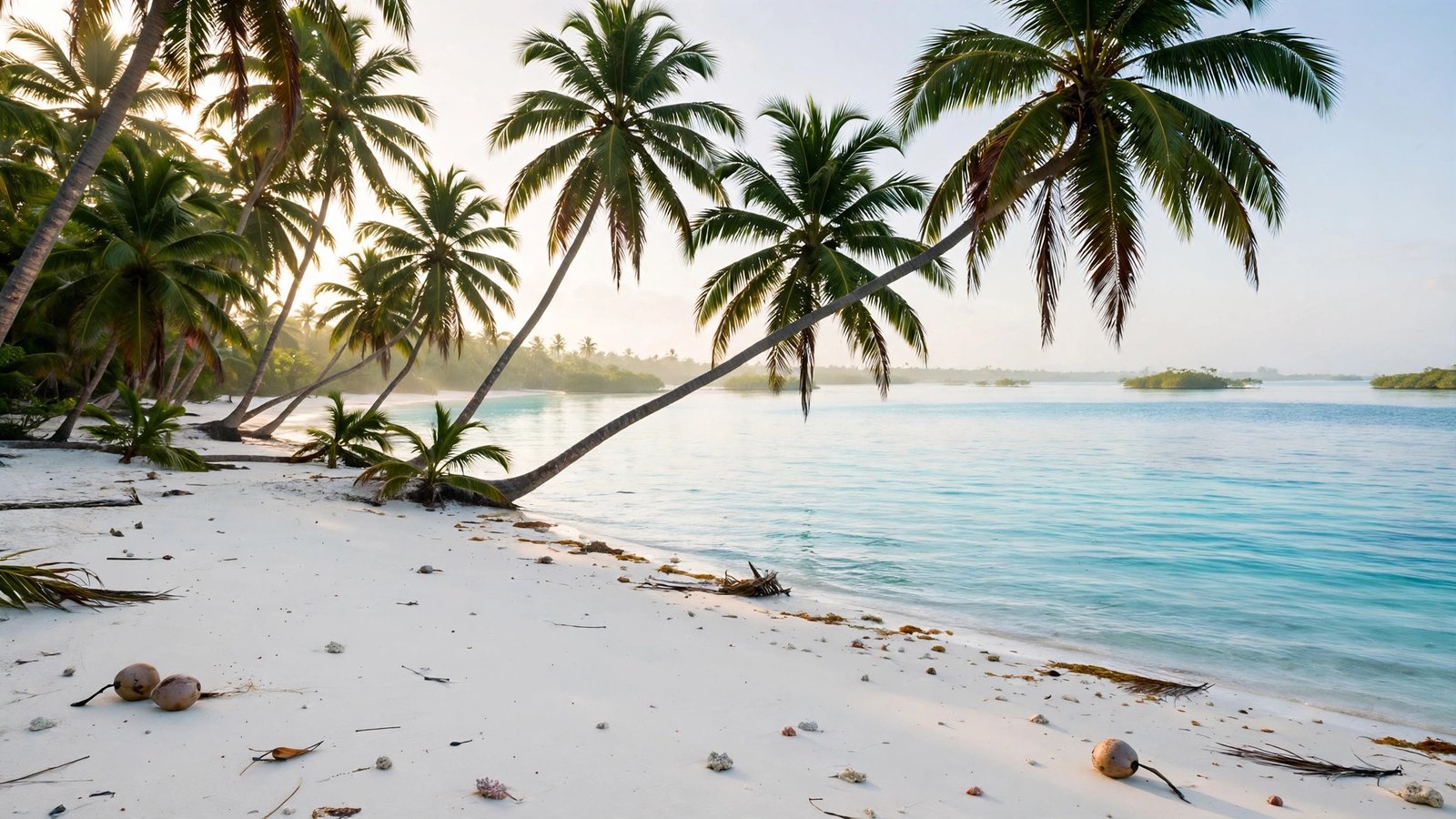
The Dominican Republic is the Caribbean’s most-visited destination, and the question — is it safe to travel to dominican republic resorts without worry — deserves its honest two-part answer, because the resort experience and the country beyond it are genuinely different subjects. The US State Department rates the country Level 2, Exercise Increased Caution, citing crime. Inside that rating sits a resort system, centered on Punta Cana, that runs one of the smoothest tourist operations in the region — and outside it, a country where the biggest everyday danger to visitors is not crime at all, but the road. This guide covers the advisory, the resort reality, Santo Domingo, and the driving truth that every Dominican Republic itinerary should be built around.
dominican republic safety tips for tourists
Start with the tips, because in this particular destination they are unusually concrete and actionable. These dominican republic safety tips for tourists reflect the advisory’s guidance and the country’s specific patterns:
- Let the resort system work. Punta Cana’s gated resorts employ layered security, vetted excursion partners, and on-site medical referral. Excursions booked through the hotel or a reputable operator carry that structure with them; improvised arrangements leave it behind.
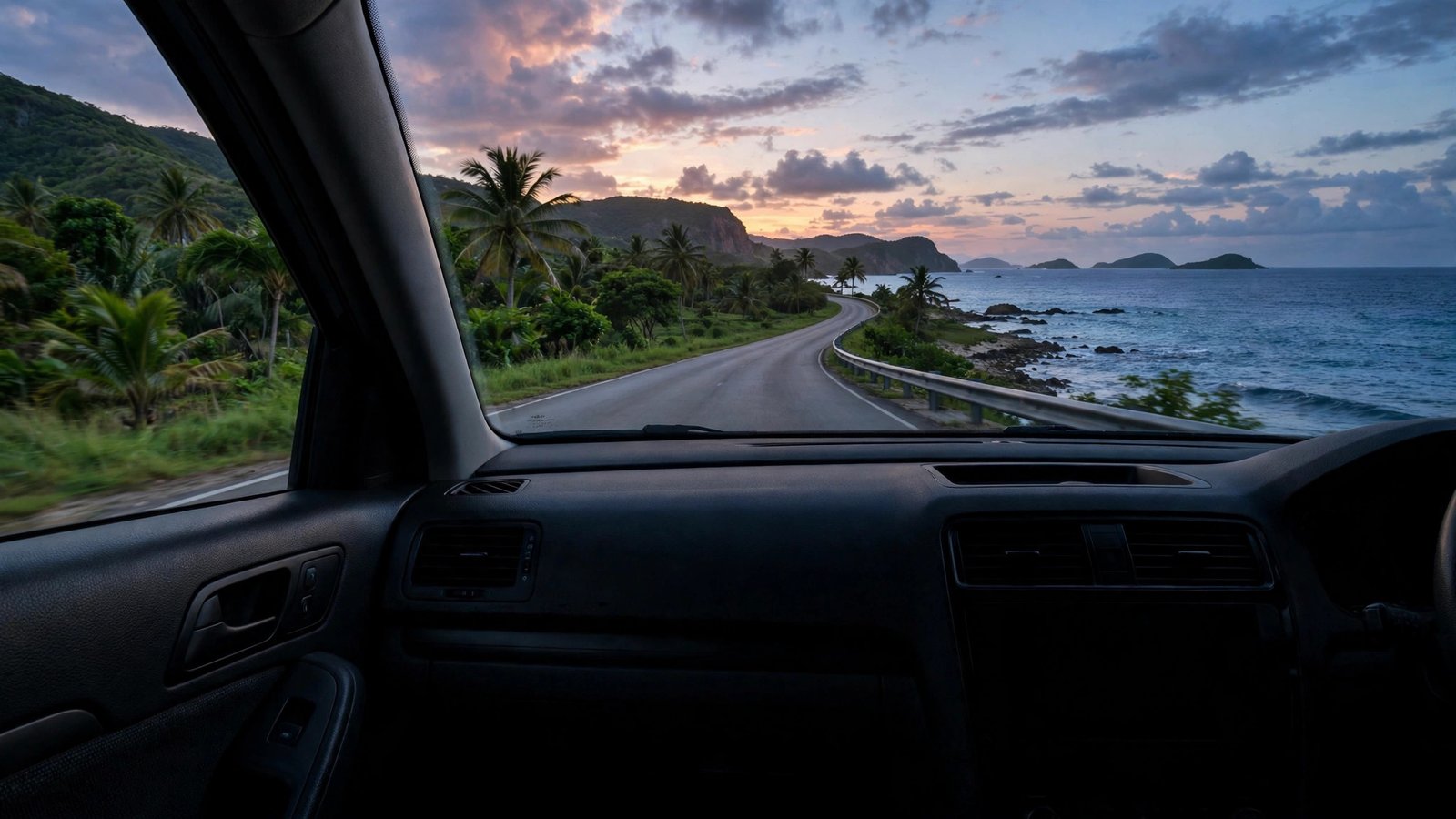
- Treat driving as the main event. The State Department has long warned about Dominican roads: traffic laws are inconsistently enforced, aggressive overtaking and unlit vehicles are common, and drink-driving is a serious factor at night. The safest tourist is a passenger — resort transfers, reputable taxis, and tour transport — and the riskiest is a first-time visitor in a rental car after dark.
- Move like a local about valuables. Leave flashy jewelry at home, keep phones pocketed on city streets, use hotel safes, and carry modest cash. Santo Domingo’s appeal is real and so is its street crime in the wrong neighborhoods.
- Know the help numbers. The 911 system operates across much of the country, and the specialized tourist police (CESTUR/Politur) patrol resort zones and actively assist visitors — their visible presence is a deliberate feature of the national tourism system, so use it whenever anything goes wrong.
is punta cana safe
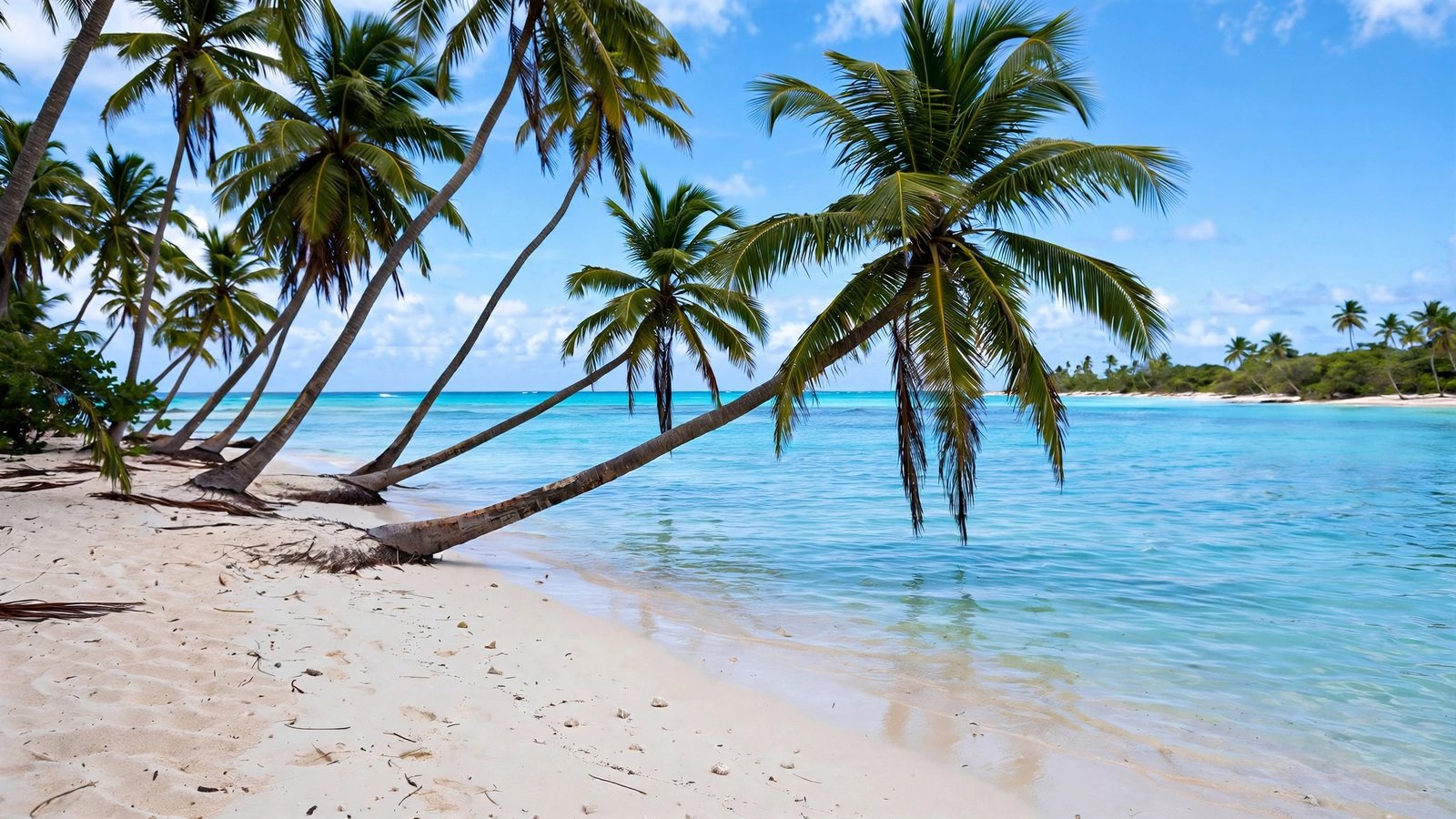
Is punta cana safe is the specific question most travelers actually mean to ask, and it has the most reassuring answer in the entire country. Punta Cana — the Bávaro–Uvero Alto resort corridor on the east coast — barely functions as a normal town at all: it is a purpose-built tourism zone of gated resorts, private beaches, and an international airport that exists to serve them. The State Department notes that resort areas benefit from a greater professional security presence than elsewhere in the country, and Punta Cana is the leading example: millions of visitors a year move through it in a managed bubble of transfers, resorts, and organized excursions.
Inside the bubble, the realistic risks are the familiar ones: petty theft of unattended belongings on the beach, excursion-related injuries (choose operators with real safety records for ATVs, buggies, and boats), sun and surf, and overindulgence. Step outside the bubble deliberately rather than accidentally: the nearby town of Higüey, home to the famous basilica, is a normal Dominican city worth a guided or daytime visit with the usual city awareness — not a place to improvise transport at midnight.
For the official picture before you go, read the State Department’s Dominican Republic country information page, enroll in STEP, and compare the framing with the neighboring islands in our Jamaica safety guide — the resort logic is similar, the road logic is not.
The rest of the country: Santo Domingo, Puerto Plata and the green interior
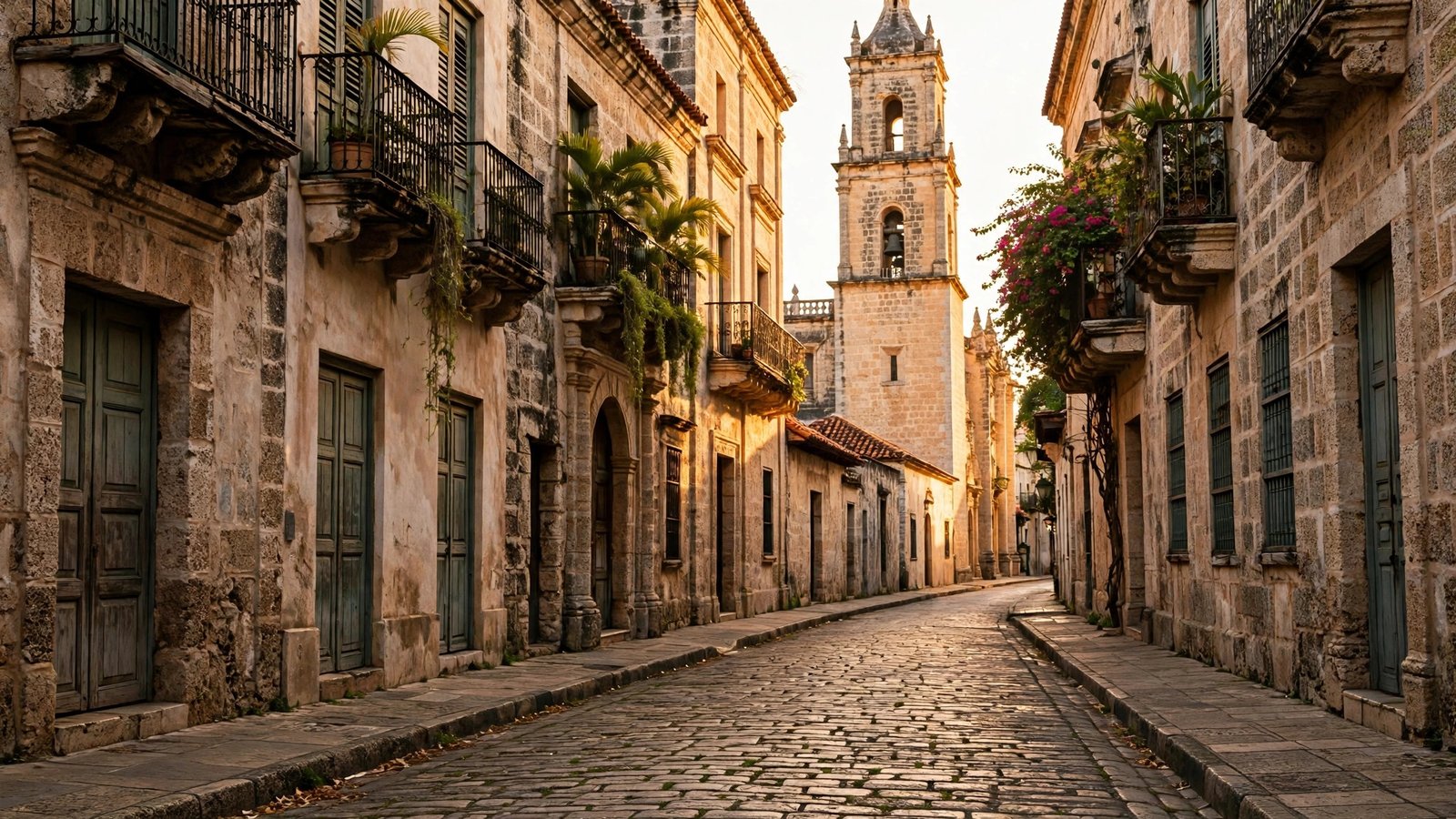
Beyond Punta Cana, the Dominican Republic rewards a traveler who adjusts to context. Santo Domingo, the oldest European-founded city in the Americas, holds a genuinely wonderful Colonial Zone — walkable, historic, increasingly polished — inside a capital where the advisory’s crime cautions apply with big-city force. Stay in the Colonial Zone or the established hotel districts (Piantini, Naco, Bella Vista), move by taxi or rideshare rather than on foot between districts at night, and ask your hotel which areas to skip; that conversation is routine and locals give it generously.
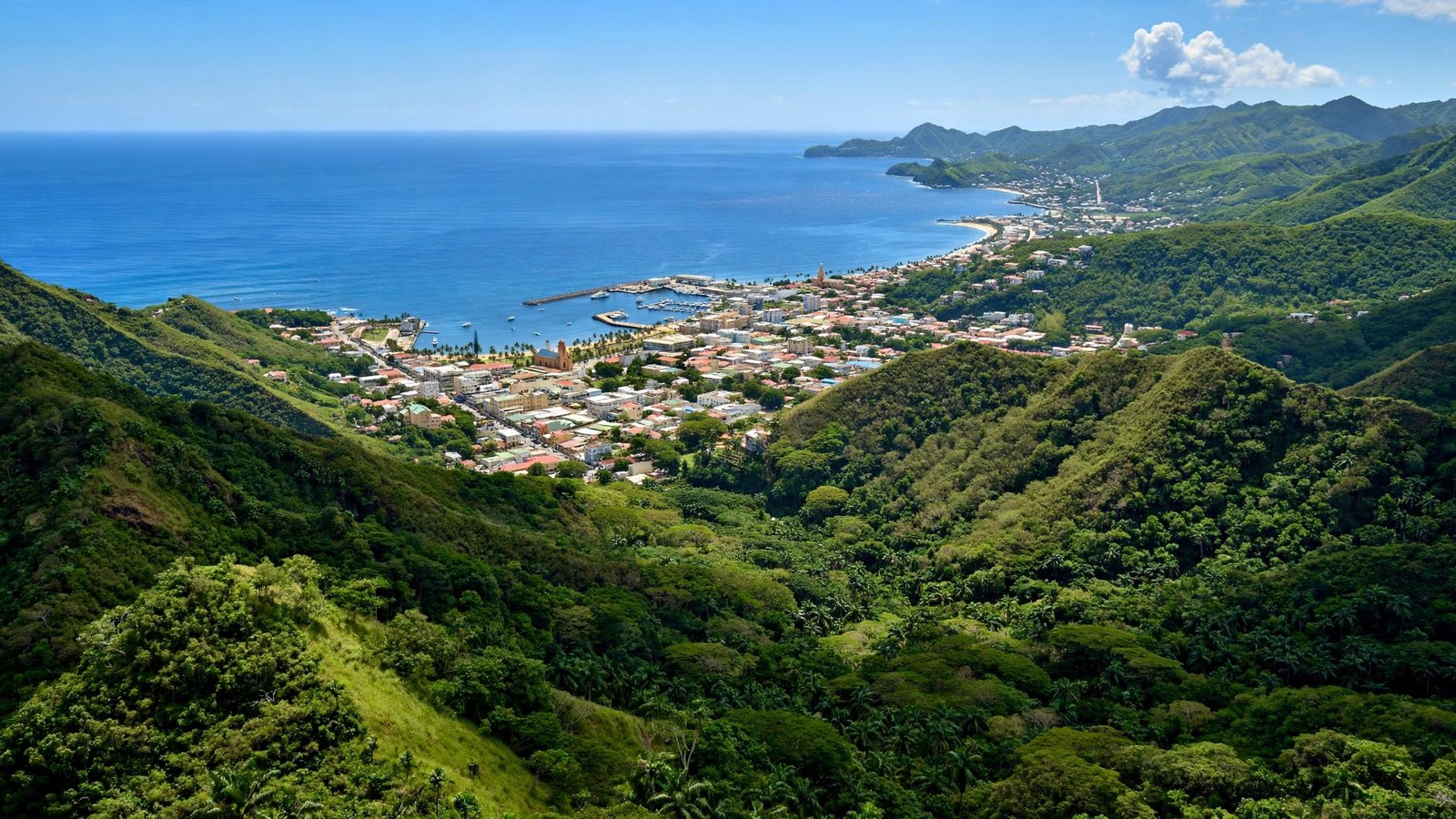
Puerto Plata and the north coast run a quieter version of the resort model, with Sosúa and Cabarete adding surf-town energy — Cabarete’s kite-surfing scene is world-class and its expatriate community keeps visitor infrastructure strong. Samaná, in the northeast, is the nature destination: whale watching in season, Los Haitises National Park, and some of the country’s most beautiful and least-developed coastline, best reached by organized transfer rather than adventurous self-driving.
The thread connecting all of it is the road network. Highways between the main destinations have improved substantially, and daytime intercity travel by reputable bus companies (Caribe Tours and Metro are the established names) or pre-booked transfer is a normal, comfortable experience. What the advisory pattern discourages — and what experienced visitors avoid — is night driving, rural improvisation, and the motorcycle-taxi (motoconcho) as a tourist vehicle, however cheerful the offer.
Crime, context, and the honest middle
The Level 2 citation is crime, and this guide should not soft-pedal it. The State Department records robbery, homicide, and sexual assault as countrywide concerns, notes that resort areas see a stronger professional security presence, and advises the awareness habits this article has repeated. Violent crime against tourists inside the resort system is uncommon; opportunistic crime — the unattended phone, the beach bag, the over-trusting late-night decision — is the pattern to defend against, and it is defensible.
Context matters too, without excusing anything: the Dominican Republic at Level 2 shares its rating with a long list of heavily visited countries, its tourism plant is the most developed in the Caribbean, and resort-zone safety infrastructure — the tourist police, the gated corridors, the medical referral networks — is a deliberate national investment renewed every single year, because the country’s economy quite literally depends on visitors feeling and being safe. Travelers weighing the DR against regional alternatives can place it on the spectrum using our State Department advisory levels explainer, and those flying on to beach time elsewhere can compare with our Cancun safety guide for the Mexican version of the same resort logic.
Is it safe to travel to the Dominican Republic beyond the resorts?
Yes — with a different operating system than the resort bubble runs on. Independent travel in the Dominican Republic is a well-established pleasure: surfers base in Cabarete for months, whale-watchers fill Samaná’s guesthouses in season, and road-trippers loop the island’s coasts happily. The travelers who do it well share a pattern: they travel by day, they use the established intercity buses and pre-arranged transfers rather than improvising transport, they stay in locally recommended guesthouses in known traveler towns, and they treat local advice about neighborhoods and roads as authoritative rather than timid.
What independent travelers give up is the resort’s margin for error. In the bubble, a mistake — a wrong turn, a dead phone, a plan that falls through — is an inconvenience solved by staff. Outside it, the same mistake is yours to solve, in Spanish, possibly after dark. That is not a reason to stay inside the gates; it is a reason to sequence your independence intelligently. First trip: resort base, organized excursions, one guided city day. Later trips: expand the radius as your feel for the country grows. The Dominican Republic rewards the returning traveler more than most destinations — the first visit teaches you the system, and every visit after that is cheaper, deeper, and easier than the one before.
One more independent-travel note: the country’s interior is genuinely worth the effort. The Cibao valley’s tobacco and coffee country, the colonial streets of Santiago, the mountain town of Jarabacoa with its rivers and waterfalls — these are the places Dominican families themselves vacation, and they show a side of the country the east-coast corridor never hints at. Reach them by day, with reservations made and routes planned, and they will likely be the part of the trip you describe first when you get home.
Frequently asked questions
Can I drink the tap water?
No — visitors should drink bottled or purified water, which resorts provide everywhere. Ice in resorts and reputable restaurants is made from purified water.
Is it safe to drive from Punta Cana to Santo Domingo?
The highway is modern and the trip is routine by day via transfer, taxi, or reputable bus. Self-driving it as a first-time visitor — particularly returning after dark — is the version experienced travelers decline. Book the transfer and enjoy the window.
What about hurricanes?
The country sits squarely in the Atlantic hurricane belt; June through November is the official season, with late summer into fall the peak window. Resorts have mature storm protocols. Flexible bookings and coverage for trip disruption are the traveler’s side of the preparation.
Are excursions safe?
The established operators running catamarans, Saona Island trips, and adventure parks operate at scale with real safety systems and professional crews. The defense is selection: book through your resort or a well-reviewed company, ask about life jackets and vehicle condition before you pay, and decline the too-cheap beach-tout version of the same trip.
Should I exchange money or use cards?
Resorts and city businesses take cards widely; carry some Dominican pesos in small bills for tips, tolls, and small purchases. Use ATMs attached to banks in daylight, and let your bank know your travel dates.
Is the Dominican Republic safe for families?
The resort corridor is one of the Caribbean’s most family-oriented environments, with kids’ clubs, shallow-entry pools, and family excursions running at industrial scale. The family-specific work is selection — a reputable resort, organized excursions, life jackets checked personally — plus the usual sun, water, and road discipline applied on your children’s behalf.
What should I do if something does go wrong?
Use the systems: resort security and management first, the tourist police (Politur/CESTUR) in resort zones, 911 for emergencies, and your insurer’s assistance line for medical or evacuation needs. Report thefts to the police even when recovery is unlikely — your insurance claim will need the report.
The bottom line: the Dominican Republic is a Level 2 destination whose resort heart, Punta Cana, is among the most-managed beach environments in the entire Caribbean — and whose roads are the one risk to plan around seriously. Ride rather than drive, let the resort and tour systems carry you where they reach, and the country’s considerable pleasures — its beaches, its music, its food, and its people — arrive without the statistics ever becoming personal.
