
Welcome to Lofotposten. Travel is one of the best ways to explore new places, experience different cultures, and create unforgettable memories. However, safety is one of the most important factors every traveler should consider before starting a journey. Understanding what is the safest way to travel can help you choose the right transportation method and reduce possible risks.The safest travel method depends on several factors, including distance, destination, transportation quality, and personal preparation.
While no journey is completely free from risk, some transportation options have stronger safety records because of advanced technology, strict regulations, and professional management. Choosing a safe way to travel is not only about selecting the right vehicle or service. It also involves planning, protecting personal belongings, staying aware of your surroundings, and preparing for unexpected situations.
What Does Safe Travel Really Mean?
Safe travel does not only mean avoiding accidents; it means protecting your life, health, personal belongings, important documents, and overall security during your journey. Travelers may face different risks, such as accidents, lost passports, health issues, theft, bad weather, or unexpected delays. Safe travel focuses on reducing these risks through proper planning, such as researching your destination, choosing reliable transportation, keeping emergency contacts, and securing important documents. By preparing in advance and staying aware, travelers can enjoy a safer, smoother, and more comfortable journey.
Factors That Make a Journey Safe
A journey’s safety depends on several important factors that help reduce risks and make travel more secure. Choosing the right transportation method, following safety rules, and preparing properly before traveling can greatly improve the overall travel experience.
Different factors such as the reliability of transportation, experience of drivers or operators, safety regulations, personal awareness, and proper planning all play an important role. For example, a well-maintained vehicle, a trained driver, and a traveler who follows safety guidelines can reduce the chances of accidents and unexpected problems.
What Is the Safest Way to Travel?
Jab log poochte hain “what is the safest way to travel”, to aksar commercial air travel (passenger airplanes) ko duniya ke safest transportation methods mein se ek mana jata hai. Iski wajah ye hai ke aviation industry mein passenger safety ke liye strict rules, advanced technology, aur highly trained professionals ka use kiya jata hai. Modern airplanes mein multiple safety systems hote hain, jaise advanced navigation technology, weather monitoring systems, emergency equipment, aur backup systems. Airlines regular aircraft inspections aur maintenance karti hain taake har flight safe condition mein operate ho sake.
Why Air Travel Is Considered Extremely Safe
Commercial air travel is considered one of the safest forms of transportation because the aviation industry follows strict safety standards at every stage of a flight. Airlines invest heavily in advanced technology, regular aircraft maintenance, and continuous pilot and crew training to ensure passenger safety.
Before every flight, aircraft are thoroughly inspected, and pilots follow detailed safety procedures. Modern airplanes are also equipped with advanced navigation systems, weather radar, and backup safety features that help prevent accidents. Combined with strict international aviation regulations and professional air traffic control, these measures make commercial aviation one of the safest ways to travel.
Is Flying Safer Than Driving?
Yes, commercial flying is generally considered safer than driving based on accident statistics. While both are safe when proper precautions are followed, road travel involves more unpredictable risks, such as traffic congestion, poor weather, distracted drivers, speeding, and human error. Since millions of vehicles use the roads every day, the chances of accidents are naturally higher.
In contrast, air travel operates under strict safety regulations. Airlines follow rigorous maintenance schedules, pilots receive extensive training, and air traffic controllers carefully monitor every flight to reduce the risk of human error. Although no form of transportation is completely risk-free, flying has one of the lowest accident rates. At the same time, practicing safe driving habits such as wearing a seat belt, obeying traffic laws, maintaining your vehicle, and avoiding distractions can greatly improve safety on the road.
Read Also: how to travel for free
Essential Travel Safety Tips for Every Journey
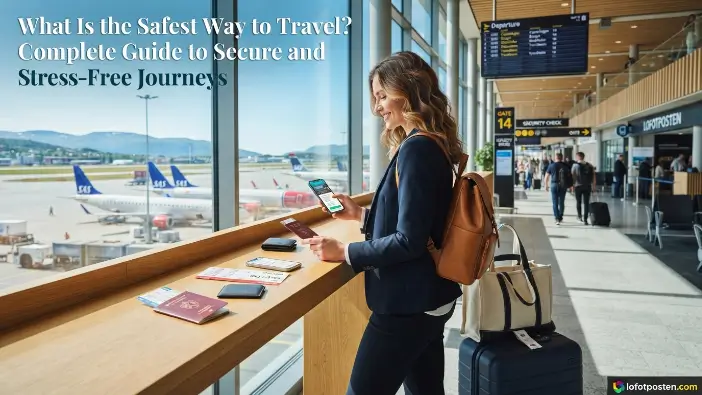
No matter which mode of transportation you choose, following smart travel habits can make your journey much safer and more enjoyable. Safe travel is about more than just avoiding accidents; it also involves protecting your health, personal information, money, and important documents throughout your trip. By planning, staying aware of your surroundings, and taking simple precautions, you can reduce many common travel risks. Whether you are traveling locally or internationally, being prepared and making informed decisions will help ensure a safer, smoother, and more comfortable travel experience.
Plan Your Trip Before Leaving
Proper planning is one of the most effective ways to improve travel safety because it helps you prepare for unexpected situations before your journey begins. Researching your destination, checking the weather forecast, learning about local laws and customs, and confirming your transportation and accommodation can help you avoid common travel problems.
It is also important to save emergency contact numbers, keep copies of important documents, and share your travel plans with a trusted family member or friend. Taking these simple steps before leaving can reduce risks, increase your confidence, and ensure a smoother and safer travel experience.
Before starting your journey:
- Research your destination
- Check weather conditions
- Learn local rules and customs
- Save emergency contact numbers
- Share your travel plans with someone you trust
For example, knowing the location of hospitals, police stations, and transportation options can be extremely useful during emergencies.
Protect Your Personal Belongings
Protecting your personal belongings is an essential part of safe travel because losing valuable items can cause stress, financial loss, and unnecessary delays. Important items such as your passport, wallet, phone, identification documents, and travel tickets should always be kept in a secure place.
To reduce the risk of theft or loss, carry only the essentials, use bags with secure zippers or locks, avoid displaying expensive items in public, and keep digital copies of important documents. Taking these simple precautions can help protect your valuables and make your journey safer and more worry-free.
Important safety practices include:
- Carry only essential items
- Keep passports and identification documents safe
- Avoid displaying expensive electronics
- Use secure bags with strong zippers
- Keep digital copies of important documents
Travelers should also be careful when using public Wi-Fi networks because cybercriminals may target personal information.
Stay Connected During Travel
Staying connected during travel is important because it allows you to get help quickly if an emergency or unexpected situation occurs. Modern technology, such as smartphones and travel apps, helps travelers access navigation, receive real-time weather and transportation updates, and stay in touch with family and friends.
Before your trip, download offline maps, save emergency contact numbers, install useful travel apps, and carry a portable charger to keep your phone powered. Staying connected not only improves convenience but also enhances your safety by ensuring you can communicate and access important information whenever you need it.
Before traveling, prepare your phone by:
- Downloading offline maps
- Saving emergency numbers
- Installing useful travel apps
- Keeping a portable charger
- Activating location-sharing features if needed
Staying connected allows you to quickly contact family, friends, or emergency services if problems occur.
Safest Way to Travel Alone
Solo travel can be an exciting and rewarding experience, but it also requires extra planning and awareness because you are responsible for your own safety. Traveling alone means making smart decisions, staying alert to your surroundings, and avoiding unnecessary risks. The safest solo travelers are those who research their destination in advance, choose secure accommodation, keep family or friends informed about their travel plans, and remain aware of local safety conditions. By staying prepared, trusting your instincts, and following basic safety practices, you can enjoy a safe, confident, and enjoyable solo travel experience.
Solo Travel Safety Checklist
A solo travel safety checklist helps you prepare for your trip and reduces the chances of facing unexpected problems while traveling alone. Before you leave, inform a trusted family member or friend about your itinerary, keep copies of important documents such as your passport and ID, and save emergency contact numbers on your phone.
During your trip, choose safe accommodation, avoid isolated areas especially at night, and stay aware of your surroundings. Trust your instincts, protect your personal belongings, and keep your phone charged so you can communicate if needed. Following this simple checklist can help make your solo journey safer, more comfortable, and stress-free.
Before traveling alone:
- Research your destination carefully
- Choose safe accommodation
- Avoid unfamiliar areas late at night
- Keep emergency contacts available
- Inform family or friends about your plans
- Trust your instincts in uncomfortable situations
Solo travelers should maintain confidence while also being aware of their surroundings.
Choosing Safe Accommodation
Choosing safe accommodation is an important part of travel because the place where you stay can greatly affect your overall safety and comfort. Before booking, read guest reviews, check the property’s security features, and choose accommodation in a safe, well-connected area with good access to transportation and emergency services.
Once you arrive, keep your room locked, avoid sharing your room number with strangers, and use the available safety features, such as door locks and hotel safes, to protect your valuables. Selecting a trusted and secure place to stay can help you enjoy a more comfortable and worry-free travel experience.
Consider:
- Reading reviews before booking
- Choosing locations with good security
- Checking emergency exits
- Keeping room information private
- Using hotel safety features
A safe accommodation choice can make your entire trip more comfortable and secure.
Common Travel Safety Mistakes and How to Avoid Them
Even experienced travelers can make mistakes that increase the risk of accidents, delays, theft, or other travel-related problems. Common mistakes include not researching the destination, ignoring weather forecasts, carrying too many valuables, and traveling without an emergency plan. These oversights can make a journey more stressful and less secure. The best way to avoid these problems is to prepare in advance. Research your destination, follow local safety guidelines, keep important documents secure, monitor weather conditions, and have emergency contacts readily available. By recognizing and avoiding these common mistakes, you can enjoy a safer, smoother, and more enjoyable travel experience.
Not Researching the Destination
One of the biggest travel mistakes is visiting a destination without learning about it in advance. Without proper research, travelers may be unaware of local laws, cultural customs, weather conditions, transportation options, or areas that should be avoided, which can lead to unnecessary problems or safety risks.
Before your trip, take time to research your destination, including its safety conditions, local regulations, emergency services, and popular tourist areas. Being well-informed helps you make better decisions, avoid common travel mistakes, and enjoy a safer and more comfortable journey.
Travelers should research:
- Local safety conditions
- Transportation options
- Weather patterns
- Popular scams
- Emergency services
Spend time learning about your destination before leaving. A few hours of research can prevent many unnecessary problems.
Ignoring Weather Conditions
Ignoring weather conditions can increase travel risks and lead to unexpected problems during your journey. Heavy rain, storms, snow, extreme heat, strong winds, or flooding can cause transportation delays, road closures, flight cancellations, and even dangerous travel conditions.
Before starting your trip, always check the latest weather forecast and prepare accordingly. Pack suitable clothing, monitor weather updates, and be ready to adjust your travel plans if conditions become unsafe. Staying informed about the weather helps you avoid unnecessary risks and ensures a safer, smoother, and more comfortable journey.
Carrying Too Many Valuables
Carrying too many valuable items while traveling can increase the risk of theft, loss, or damage. Expensive jewelry, large amounts of cash, high-end electronics, and other costly belongings may attract unwanted attention, making you a more likely target for thieves.
To stay safe, carry only the essentials and keep valuable items securely stored. Use anti-theft bags, avoid displaying expensive belongings in public, and keep important documents and extra cash in separate secure locations. Traveling light not only improves your security but also makes your journey more comfortable and stress-free.
Common examples include:
- Expensive jewelry
- Large amounts of cash
- Multiple unnecessary devices
Not Having an Emergency Plan
Many travelers focus only on enjoying their trip and forget to prepare for unexpected situations. However, emergencies such as medical issues, lost documents, transportation cancellations, or natural disasters can happen at any time. Without a plan, these situations can become stressful and difficult to manage.
Before traveling, prepare an emergency plan by saving important contact numbers, keeping copies of your passport and other documents, carrying travel insurance details, and identifying nearby hospitals or emergency services at your destination. Being prepared allows you to respond quickly and confidently, making your journey safer and more secure.
Problems may include:
- Lost documents
- Medical emergencies
- Transportation cancellations
- Communication issues
How Technology Makes Travel Safer
Technology has made modern travel safer by giving travelers access to tools that improve security, communication, and navigation. Smartphones, GPS, travel apps, and digital services help people plan their trips, find the safest routes, receive real-time weather and transportation updates, and quickly contact emergency services when needed. Travelers can also use digital boarding passes, online maps, translation apps, and secure payment methods to make their journeys more convenient and reduce potential risks. By using these technologies wisely, travelers can stay informed, connected, and better prepared for unexpected situations, making every trip safer and more comfortable.
GPS Navigation and Digital Maps
GPS navigation and digital maps have made travel safer by helping travelers find the best routes and avoid unsafe or unfamiliar areas. Navigation apps provide real-time directions, traffic updates, and alternative routes, making it easier to reach your destination safely and efficiently.
These apps can also help you quickly locate important places such as hospitals, police stations, hotels, gas stations, and public transportation hubs during an emergency. By using GPS and digital maps, travelers can reduce the chances of getting lost, save time, and make more informed decisions throughout their journey.
Benefits include:
- Real-time directions
- Traffic updates
- Offline navigation options
- Location sharing
These tools are especially helpful for travelers exploring unfamiliar destinations.
Travel Safety Apps
Travel safety apps help travelers stay informed, organized, and prepared throughout their journey. These apps provide useful features such as real-time weather updates, emergency alerts, GPS navigation, translation services, flight tracking, and local safety information, making it easier to respond to unexpected situations.
By using reliable travel safety apps, travelers can quickly find nearby hospitals, police stations, or transportation services, communicate with family and friends, and receive important travel notifications. These tools improve convenience, reduce travel risks, and help ensure a safer and more stress-free travel experience.
Many travel apps provide useful features such as:
- Emergency alerts
- Weather notifications
- Translation services
- Local safety information
- Flight and transportation updates
Using reliable travel technology can help travelers respond quickly when situations change.
Digital Documents and Online Security
Digital documents and online security play an important role in making travel safer and more convenient. Keeping digital copies of your passport, travel tickets, hotel reservations, and identification documents on your phone or secure cloud storage ensures you can access them quickly if the originals are lost or stolen.
To protect your personal information, use strong passwords, enable two-factor authentication, avoid using unsecured public Wi-Fi for sensitive activities, and keep your devices updated with the latest security software. These simple cybersecurity practices help safeguard your personal data and reduce the risk of identity theft or online fraud while traveling.
However, travelers should protect their digital information by:
- Using strong passwords
- Avoiding unsecured networks
- Enabling two-factor authentication
- Keeping devices updated
Cybersecurity is now an important part of overall travel safety.
Frequently Asked Questions
What is the safest way to travel?
Commercial air travel is considered one of the safest ways to travel because of strict regulations, advanced aircraft technology, professional pilots, and regular safety inspections. Train travel is also among the safest options.
Is flying safer than driving?
Yes, flying is generally safer than driving when comparing accident risks. Road travel involves more exposure to traffic conditions, driver mistakes, and unpredictable situations.
What is the safest transportation method for long-distance travel?
Airplanes and trains are usually considered the safest choices for long-distance travel because they operate under strict safety systems and professional management.
How can I make my travel safer?
You can improve travel safety by planning, choosing reliable transportation, keeping documents secure, purchasing travel insurance, staying connected, and being aware of your surroundings.
Is solo travel safe?
Yes, solo travel can be safe when travelers research destinations, choose secure accommodations, avoid risky situations, and maintain awareness throughout the journey.
Conclusion
When asking what is the safest way to travel, commercial air travel is generally considered the safest option because of its strict safety regulations, advanced technology, regular aircraft maintenance, and highly trained pilots and crew. Train travel is also one of the safest transportation methods, while buses and cars can provide safe journeys when travelers follow proper safety precautions.
However, safe travel depends on more than just the type of transportation you choose. Careful planning, protecting your personal belongings, staying aware of your surroundings, and being prepared for emergencies are all essential for reducing travel risks. By choosing reliable transportation and following smart travel safety practices, you can enjoy a safer, smoother, and more stress-free journey wherever you go.
