

In today’s fast-paced world, travel has become a regular part of life, whether for holidays, business trips, or studying abroad. However, many travellers underestimate the risks that can arise unexpectedly during a journey, such as medical emergencies, flight cancellations, or lost luggage. This is where what is travel insurance becomes an important question for every traveller to understand before planning a trip. What is travel insurance is essentially a financial safety net designed to protect travellers from unexpected expenses and disruptions while they are away from home. It ensures that if something goes wrong—such as a sudden illness, accident, or trip interruption you do not have to bear the full financial burden alone. Instead, an insurance provider helps cover eligible costs according to your policy terms.
Understanding what travel insurance is is especially important in international travel, where medical costs and emergency services can be extremely expensive. With the right policy, travellers gain access to protection against risks like travel medical insurance, trip cancellation coverage, and emergency travel assistance, which can make a significant difference during stressful situations abroad. Ultimately, learning what travel insurance is is not just about knowing a definition; it is about understanding how it provides peace of mind, financial protection, and support when you need it most during your journey.
What Is Travel Insurance?
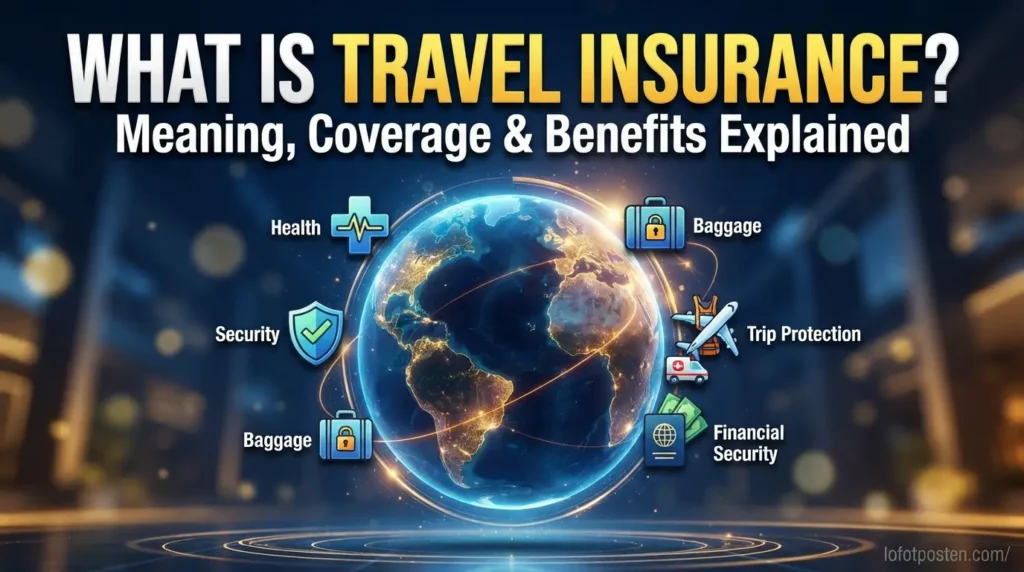
What is travel insurance is a financial protection plan that safeguards travellers against unexpected expenses and risks that may occur before or during a trip. It is designed to reduce the financial burden caused by emergencies such as medical issues, flight cancellations, lost baggage, or travel delays. In simple terms, it acts as a safety net that ensures travellers do not face major financial losses when things do not go as planned. This type of insurance is especially important for both domestic and international travel, where uncertainties are common. It is often associated with travel protection plans that combine multiple benefits like medical coverage, trip interruption support, and emergency assistance services. By paying a small premium, travellers gain access to financial support and assistance services that can be crucial in unexpected situations.
Clear Definition
What is travel insurance can be defined as an agreement between travellers and an insurance provider, where the provider agrees to compensate for specific financial losses during travel in exchange for a premium. These losses may include medical emergencies, trip cancellations, lost luggage, or emergency evacuation, depending on the policy coverage.
In most cases, travel insurance policy coverage is structured to protect against common travel risks that could otherwise result in significant out-of-pocket expenses. The exact benefits vary by provider and plan, but the core purpose remains the same: to offer financial protection and support while travelling
How It Works in Real-Life Scenarios
In real-life situations, what travel insurance is becomes clear when unexpected events occur during a trip. For example, if a traveller falls ill in a foreign country and requires hospitalisation, the insurance provider may cover medical expenses depending on the policy terms. Similarly, if a flight gets cancelled due to bad weather, the traveller may receive compensation for additional accommodation or rebooking costs.
Another common scenario involves lost or delayed baggage. In such cases, travel medical insurance and baggage coverage benefits help reduce inconvenience by reimbursing essential purchases or replacing lost items. These real-world applications show how travel insurance provides practical financial support during stressful travel disruptions.
Who Needs It
What is travel insurance is especially important for anyone travelling outside their home country, where medical costs and emergency services can be extremely expensive. International tourists, business travellers, and students studying abroad are among the most common users of travel insurance policies.
Even domestic travellers can benefit from trip cancellation coverage and emergency assistance services, especially when travelling long distances or booking expensive trips. Essentially, anyone who wants financial protection, peace of mind, and reliable support during travel should consider having travel insurance before starting their journey.
Read also: What is travel insurance?
Types of Travel Insurance Plans
What travel insurance is becomes easier to understand when you break it down into different plan types, because each plan is designed for a specific travel purpose, duration, and risk level. These plans fall under travel protection plans that help travellers choose the right coverage based on how often they travel and what kind of protection they need. Selecting the correct plan ensures you are fully protected without paying for unnecessary coverage.
Single-Trip Insurance
What does travel insurance in the form of single-trip coverage mean? It protects just one specific journey. This plan starts when you leave your home and ends when you return, making it ideal for travellers who only travel occasionally. It provides coverage for unexpected events such as medical emergencies, trip cancellations, flight delays, and lost baggage during that single trip.
This travel insurance policy is the most commonly used option because it is simple and flexible. Travellers do not need long-term commitment or a yearly subscription, and they can choose coverage based on the exact duration of their trip. It is especially useful for international vacations where risks and expenses are higher.
- Covers one journey only from start to end of the trip
- Best for vacations, short business trips, or one-time travel
Multi-Trip Insurance
What travel insurance in a multi-trip plan means is a single insurance policy that protects you for multiple journeys throughout the year. Instead of buying separate insurance every time you travel, this plan automatically covers all eligible trips within the policy duration, making it highly convenient.
This travel medical insurance option is designed for people who travel regularly, such as business professionals or frequent tourists. It saves both time and money while ensuring consistent protection for every trip, no matter how many times you travel in a year.
- Covers unlimited trips within one year
- Ideal for business travellers or frequent flyers
Student Travel Insurance
What is travel insurance for students refers to a specialised plan created for individuals studying in foreign countries. It provides long-term coverage that helps students manage unexpected medical costs, travel emergencies, and sometimes even academic interruptions while staying abroad.
This travel protection plan is extremely important for international students because healthcare and living costs in other countries can be very expensive. It ensures continuous financial support and peace of mind throughout the entire study period, allowing students to focus on education instead of worrying about emergencies.
- Covers students living or studying abroad for a long duration
- Focuses on medical, emergency, and study-related protection
Family Travel Insurance
What does travel insurance in a family plan means a single policy that protects all family members travelling together. It simplifies insurance management because instead of buying individual policies, one plan covers everyone under a shared coverage structure.
This trip cancellation coverage is especially useful for family vacations because it reduces overall cost while ensuring safety for children, parents, and elderly members. It provides medical protection, travel delay coverage, and emergency assistance for the entire family, making group travel more secure and stress-free.
- Covers all family members under one combined policy
- Designed for group travel, such as vacations or tours
What Does Travel Insurance Cover?
What travel insurance is becomes truly clear when we understand its coverage in detail, because its main purpose is to protect travellers from unexpected financial losses during a journey. A well-structured travel protection plan is designed to handle medical emergencies, trip disruptions, baggage problems, and other emergencies that can otherwise become extremely expensive and stressful. This coverage ensures that travellers can focus on their journey instead of worrying about financial risks.
In practical terms, travel insurance works as a safety system that activates when something goes wrong during your trip. Whether it is a sudden illness abroad, a cancelled flight, or lost luggage, each coverage category plays an important role in reducing financial burden and providing support when it is needed most.
Medical Emergencies Abroad
What does travel insurance in medical emergencies abroad means financial protection when a traveller faces sudden illness or injury in another country. Healthcare systems in many countries are very expensive, and even minor treatments can cost a large amount without insurance support. This makes medical coverage one of the most essential parts of any travel policy.
This travel medical insurance coverage typically includes hospitalisation, doctor visits, emergency surgery, ambulance services, and prescribed medicines, depending on the policy. It ensures that travellers receive proper treatment without worrying about paying high medical bills out of pocket, which can otherwise create serious financial pressure during emergencies.
Trip Cancellation or Interruption
What is travel insurance for trip cancellation or interruption refers to financial protection when your travel plans are unexpectedly cancelled or cut short due to unavoidable situations. These situations may include illness, family emergencies, natural disasters, or travel restrictions that make it impossible to continue the trip as planned.
This coverage is directly linked to claim benefits, as it allows travellers to recover prepaid and non-refundable expenses such as flight tickets, hotel reservations, tour packages, and event bookings. It helps reduce financial loss and ensures that unexpected disruptions do not ruin the entire travel budget.
Lost or Delayed Baggage
What do travel insurance and baggage protection mean? They mean compensation for luggage that is lost, stolen, or delayed during travel, especially during air transport. Baggage issues are common in international flights and can cause major inconvenience when personal belongings do not arrive on time.
This baggage loss coverage helps travelers by reimbursing the cost of essential items like clothing, toiletries, and basic necessities while waiting for luggage to be returned. If the baggage is permanently lost, the insurance provider compensates the traveller based on policy limits, reducing the financial and emotional stress caused by such situations.
Flight Delays
What is travel insurance in case of flight delays refers to financial support when a flight is delayed for several hours due to weather, technical issues, or airline operational problems. Such delays often disrupt travel plans and create unexpected expenses during waiting periods.
This coverage is part of claim benefits and typically includes reimbursement for meals, hotel accommodation, transportation, and rebooking costs. It ensures that travellers are not financially affected by situations that are completely outside their control and helps make long delays more manageable and less stressful.
Emergency Evacuation
What is travel insurance? Emergency evacuation means urgent transportation support when a traveller faces a serious medical condition or safety threat during travel. This may include transferring the patient to the nearest well-equipped hospital or arranging air evacuation to their home country if required.
This travel medical insurance feature is extremely important because evacuation services can be very expensive and logistically complex. It ensures that travellers receive immediate medical transport in life-threatening situations, providing both critical healthcare access and strong financial protection when emergencies occur far from home.
How Travel Insurance Works
What is travel insurance and how does it work? Travel insurance operates by providing financial protection against unexpected events that may occur before or during a trip. Travellers purchase a policy by paying a premium based on factors such as destination, trip duration, age, and coverage level. Once the policy becomes active, the insurer agrees to cover eligible losses according to the policy terms. If a covered incident occurs, the traveller reports it, submits the required documents, and receives reimbursement or direct assistance after the claim is approved, helping reduce financial stress during travel.
Travel Insurance Works
- Purchase a travel insurance policy before your trip begins to activate coverage for eligible travel-related risks.
- Choose coverage based on your destination, travel duration, budget, and personal protection requirements.
- Pay the insurance premium to receive protection against covered travel emergencies and unexpected disruptions.
- Review policy terms carefully to understand coverage limits, exclusions, and claim eligibility requirements.
- Receive policy documents containing coverage details, emergency contacts, and claim submission instructions.
- Coverage becomes active on the policy start date or when your trip officially begins.
- Contact the insurer immediately if a covered emergency or travel disruption occurs during travel.
- Collect supporting documents such as receipts, medical reports, tickets, or police reports when necessary.
- Submit a claim through the insurer’s website, app, email, or designated claims department.
- Receive reimbursement or direct assistance after the insurance company reviews and approves the claim.
Step-by-Step Guide to Buying Travel Insurance
What is travel insurance, and how can you purchase the right policy for your trip? Buying travel insurance is more than simply selecting the cheapest plan available. It involves understanding your travel needs, evaluating potential risks, and choosing coverage that provides adequate financial protection throughout your journey. Whether you are travelling for leisure, business, education, or family purposes, selecting the right insurance policy helps protect you from unexpected expenses caused by medical emergencies, trip cancellations, baggage issues, and travel delays. By following a systematic approach, travellers can confidently purchase a policy that offers both comprehensive coverage and peace of mind.
Choose Provider
What is travel insurance without a trustworthy insurance company behind it? The first and most important step is selecting a reliable provider that has a strong reputation for customer service, financial stability, and efficient claim processing. Not all insurance companies offer the same level of support, so it is important to research providers carefully before making a decision.
Look for insurers that provide 24/7 emergency assistance, transparent policy terms, and positive customer feedback. Reading reviews and checking the company’s claim settlement history can help you determine whether it is dependable. Choosing a reputable provider for your travel protection plan ensures that assistance will be available whenever an emergency arises, regardless of where you are travelling.
Compare Plans
What is travel insurance if the policy does not provide the coverage you actually need? Once you have identified a few reputable providers, compare their plans carefully. Every policy offers different benefits, coverage limits, exclusions, and premium costs, making comparison a crucial step in the buying process.
Instead of focusing only on price, evaluate what each policy includes. Compare medical coverage limits, trip cancellation benefits, baggage protection, emergency evacuation services, and claim procedures. A detailed comparison of different travel insurance policy options helps ensure that you receive the best protection for your specific travel requirements while avoiding unnecessary expenses.
Enter Travel Details
What is travel insurance without accurate travel information? After selecting a suitable plan, you will be asked to provide important details about your trip. These details generally include your destination, travel dates, age, number of travellers, and the purpose of the trip.
Insurance companies use this information to assess risk and calculate the premium amount. Providing complete and accurate details is essential because incorrect information may affect coverage validity or cause problems during claim processing. By entering precise travel information, the insurer can tailor the travel protection plan to match your travel circumstances and coverage needs.
Pay Premium
What is travel insurance without activating the policy through payment? After reviewing your selected plan and confirming the travel details, the next step is paying the premium. The premium is the amount paid to the insurer in exchange for coverage and protection during your trip.
The cost of the premium depends on several factors, including destination, trip duration, traveller age, and coverage level. Although it may seem like an additional travel expense, it is a relatively small cost compared to the potential financial losses that can occur during an emergency. Once payment is completed, your travel medical insurance and other policy benefits become active according to the policy’s effective date.
Download Policy Document
What is travel insurance if you cannot access your policy information when an emergency occurs? After payment is successfully processed, the insurance company will issue a policy document containing all important information related to your coverage. This document serves as proof of insurance and outlines your rights, benefits, exclusions, and claim procedures. Travellerss should carefully review the policy document and keep both digital and printed copies readily available throughout their journey. The document contains emergency contact numbers, coverage details, and instructions for filing claims. Having immediate access to your travel insurance policy can save valuable time during emergencies and help ensure a smooth claims process if an unexpected situation arises.
Common Mistakes to Avoid
What is travel insurance if it fails to provide the protection you expect during an emergency? Many travellers purchase insurance without fully understanding the policy terms, which can lead to claim rejections or insufficient coverage when assistance is needed most. Avoiding common mistakes is essential to maximising the value of your policy and ensuring smooth claim processing. By carefully reviewing coverage details, exclusions, and policy requirements before departure, travellers can reduce risks, avoid unnecessary financial losses, and make the most of their travel insurance policy throughout the entire journey.
Common Mistakes
- Choosing the cheapest policy without checking coverage limits may leave important travel risks completely unprotected during emergencies.
- Failing to read policy exclusions can result in unexpected claim rejections when coverage is most needed.
- Providing incorrect travel information may affect policy validity and create complications during the claim verification process.
- Ignoring pre-existing medical condition rules can lead to denied claims for related medical treatments abroad.
- Purchasing insurance too late may exclude coverage for certain trip cancellation or interruption benefits.
- Not comparing multiple policies can result in paying more for less coverage and fewer benefits.
- Assuming all adventure activities are covered may lead to uncovered expenses after accidents during travel.
- Failing to keep receipts and documents can make claim submission difficult and delay reimbursement approval.
- Not saving emergency assistance contact details can slow access to support during urgent travel situations.
- Waiting too long to report incidents may violate policy requirements and reduce claim approval chances significantly.
How to File a Travel Insurance Claim
What is travel insurance if you cannot successfully use it when an emergency occurs? Understanding the claims procedure is just as important as purchasing the policy itself. A travel insurance claim is a formal request submitted to the insurance provider for compensation after a covered incident such as a medical emergency, trip cancellation, baggage loss, or flight delay. Following the correct claim process ensures faster handling of your request and increases the likelihood of receiving approved compensation. By acting quickly, maintaining proper records, and submitting accurate information, travellers can make the claims experience smoother and less stressful.
Immediate Reporting
What is travel insurance without timely communication with your insurer? One of the most important steps after a covered incident is reporting it as soon as possible. Most insurance companies require travellers to notify them immediately or within a specific timeframe after an emergency occurs. Delayed reporting can create complications and may even affect claim eligibility.
Prompt notification allows the insurer to provide emergency support when needed and guide you through the next steps. Whether it involves hospitalisation, a stolen passport, lost baggage, or a cancelled trip, immediate reporting helps establish an official record of the incident and ensures that assistance is available when you need it most.
Required Documents
What is travel insurance without evidence to support your claim? Insurance providers rely on documentation to verify that a covered event occurred and to determine the amount of compensation that may be payable. The type of documents required depends on the nature of the incident and the coverage being claimed.
Common documents include medical reports, hospital bills, airline delay confirmations, baggage loss reports, police reports, receipts, booking confirmations, and proof of payment. Keeping these records organised throughout your trip can significantly improve the claim process and reduce delays during claim evaluation.
Claim Submission Process
What is travel insurance if you do not know how to submit a claim properly? Once all required documents have been collected, the next step is completing the insurer’s claim form and submitting the necessary evidence. Most insurance companies now offer online claim portals, making the process faster and more convenient for travellers.
During submission, it is important to provide accurate information and ensure that all supporting documents are included. A complete application helps prevent unnecessary delays and improves the chances of receiving reimbursement quickly. Travellerss should also keep copies of all submitted documents for future reference.
Approval Timeline
What is travel insurance if you are unsure when compensation will arrive? After the claim has been submitted, the insurance company reviews the information, verifies the documents, and determines whether the incident falls within the policy coverage. The length of this review process varies depending on the complexity of the claim and the insurer’s procedures.
Simple claims may be processed within a few days, while more detailed cases can take several weeks. Once approved, the traveller receives reimbursement or direct payment according to the policy terms. Understanding the expected timeline helps manage expectations and allows travellers to track the progress of their claim with confidence.
Tips to Maximise Your Travel Insurance Benefits
What is travel insurance if you do not use its benefits effectively when unexpected situations arise? While purchasing a policy is important, understanding how to maximise its coverage can significantly improve your travel experience and financial protection. Many travellers fail to take full advantage of their insurance because they overlook policy details, ignore documentation requirements, or delay communication with their insurer. By staying informed, keeping accurate records, and following policy guidelines, you can ensure smoother claims, better coverage utilisation, and greater value from your travel insurance policy throughout your entire journey.
Travel Insurance Benefits.
- Read the entire policy carefully to understand coverage limits, exclusions, conditions, and available travel assistance services.
- Keep digital and printed copies of your insurance documents accessible throughout the entire trip for emergencies.
- Save insurer emergency contact numbers on your phone for quick access during urgent travel situations abroad.
- Report covered incidents immediately to avoid delays and improve claim approval chances with your insurance provider.
- Keep all receipts, invoices, and payment records related to travel expenses and emergency-related purchases.
- Understand medical coverage limits before travelling to countries with expensive healthcare systems and treatment costs.
- Verify whether adventure activities are covered before participating in sports or high-risk recreational experiences.
- Maintain copies of medical reports, police reports, and airline documents required for successful claim processing.
- Compare coverage benefits regularly if you travel frequently to ensure your policy still meets your needs.
- Follow all policy requirements carefully to maximise claim benefits and receive faster reimbursement when eligible.
Frequently Asked Questions
Is Travel Insurance Mandatory for All Countries?
No. Some countries require travel insurance for visa approval, while others do not. However, what is travel insurance coverage is recommended for all travellers.
Does Travel Insurance Cover COVID-19 Treatment?
Many policies include COVID-19-related medical expenses and trip disruptions. Check your travel medical insurance policy for specific coverage details.
Can I Buy Travel Insurance After Booking My Flight?
Yes. You can buy insurance after booking your trip, but purchasing early often provides better protection and benefits.
How Much Does Travel Insurance Usually Cost?
The cost varies based on destination, trip duration, age, and coverage level. Most policies cost only a small percentage of the total trip price.
What Is the Difference Between Travel Insurance and Health Insurance?
What is travel insurance covers travel-related risks like cancellations, delays, and baggage loss, while health insurance focuses on general medical care.
Conclusion
Understanding what travel insurance is is essential for anyone planning a trip, whether for leisure, business, or education. It provides financial protection against unexpected events such as medical emergencies, trip cancellations, flight delays, lost baggage, and emergency evacuations. With the right coverage, travellers can avoid significant out-of-pocket expenses and travel with greater confidence.
Before purchasing a policy, it is important to compare options, understand coverage limits, and review exclusions carefully. A reliable travel insurance policy not only protects your finances but also offers valuable support during stressful situations. By choosing the right plan and understanding how it works, you can enjoy a safer, more secure, and worry-free travel experience.
