
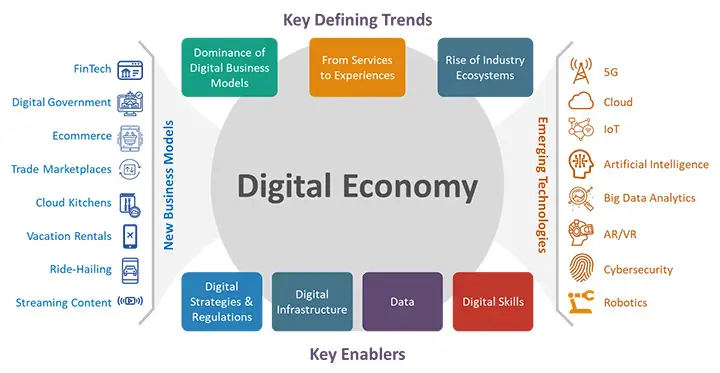
The world has entered a new era where technology drives almost every business decision. This transformation is known as the digital economy, and it affects both global corporations and small local shops. For a remote yet vibrant region like Lofoten, the shift to digital is not just an opportunity but also a necessity. By embracing digital platforms, businesses here can connect with international customers, streamline operations, and remain competitive in a fast-changing marketplace.
Lofoten is well-known for its fishing industry, breathtaking landscapes, and tourism-driven economy. However, relying only on traditional methods is no longer enough. Consumers today expect convenience, online access, and secure digital payments. From fishermen selling seafood online to small shops launching e-commerce stores, the digital economy is reshaping how Lofoten entrepreneurs operate. This evolution helps local businesses maintain authenticity while gaining global visibility.
The phrase “Digital Economy: How Lofoten Businesses Go Online” captures more than just a trend reflects a real transformation happening in one of the world’s most unique regions. By adopting digital tools, cloud technologies, and online marketing, local businesses are not only growing but also preserving their heritage for future generations. In the next sections, we’ll explore how this digital journey unfolds, the challenges faced, and the technologies making it possible.
Understanding the Digital Economy
The digital economy is no longer just a buzzword’s a reality that shapes how people buy, sell, communicate, and run businesses. In simple terms, it refers to economic activities driven by online technologies. For a remote yet vibrant place like Lofoten, the digital economy has opened new doors of opportunity that were once unimaginable.
Definition and Global Impact
The digital economy includes all activities powered by the internet and digital tools, such as online shopping, mobile payments, digital banking, and cloud-based services. Its global impact is massive because:
- Connectivity builds bridges: Businesses in even the most remote locations can connect with customers worldwide.
- E-commerce growth is unstoppable: Online retail sales have reached trillions of dollars annually, showing the dominance of digital trade.
- Digital skills fuel growth: Countries and regions that embrace technology see faster business development and more job opportunities.
For Lofoten, this shift means that local fishermen, artists, and tourism providers can now sell directly to global audiences without middlemen.
The Growth of E-commerce
E-commerce has transformed how people shop. Instead of relying only on physical stores, customers can explore a wide range of products online. The benefits include:
- 24/7 availability: Shops are open around the clock.
- Wider reach: A shop in Lofoten can attract buyers from across Europe, Asia, or America.
- Lower costs: Selling online reduces the need for expensive retail spaces.
Lofoten businesses, such as handicraft makers or fishing product suppliers, can now sell through platforms like Shopify, Etsy, or Amazon Handmade, reaching audiences who value authentic products.
Digital Payments and Banking
Digital transactions have become the backbone of the online economy. Tools like PayPal, Stripe, and Norway’s popular Vipps app make payments smooth and secure. For local businesses, the advantages are clear:
- Instant payments: No delays in receiving money.
- Global reach: Customers from different countries can pay easily.
- Trust factor: Secure systems boost customer confidence.
With digital banking, even small entrepreneurs in Lofoten can handle international sales without complications.
Cloud Technology and Remote Work
Cloud-based solutions have changed how companies operate. Instead of investing heavily in physical infrastructure, businesses can store data online and access it anytime. For Lofoten entrepreneurs:
- Flexibility: Work from anywhere, even from a fishing boat or mountain cabin.
- Scalability: Pay only for the services you use.
- Collaboration: Teams can work together virtually using platforms like Google Workspace or Microsoft Teams.
Tourism companies in Lofoten, for example, can use cloud systems to manage bookings, customer data, and promotional campaigns seamlessly.
- Viator Travel Agent: Complete Guide to Booking Tours
- 100+ Travel Quotes to Inspire Your Next Adventure
- Union Square Travel Agency: Expert Travel Services & Deals
- GeoBlue Travel Insurance: Plans, Benefits & Coverage Guide
- Travel Images: Best Photos, Ideas & Usage Tips
The Digital Transformation of Lofoten Businesses
The move towards digital is not just a global trend’s a survival strategy for small businesses in regions like Lofoten. Known for fishing, tourism, and artisanal crafts, this region is embracing online tools to stay relevant.
From Fishing Villages to Digital Entrepreneurs
Traditionally, Lofoten has relied heavily on fishing and tourism. But as digital adoption grows:
- Fishermen are exploring online marketplaces to sell fresh or processed seafood.
- Tour operators offer virtual booking systems to attract global travelers.
- Craft makers build online stores to showcase authentic handmade goods.
This transformation allows businesses to move beyond local customers and tap into global demand.
Small Shops Going Online
The rise of small shops turning into digital brands has been remarkable. For example:
- E-commerce websites: Platforms like Shopify and WordPress let small businesses create affordable online stores.
- Social media selling: Instagram and Facebook pages help reach local and international buyers.
- Marketplace platforms: Etsy and Amazon Handmade allow artisans to sell unique products globally.
These steps make Lofoten’s businesses visible to audiences who appreciate originality and authenticity.
Tourism Industry’s Digital Shift
Tourism is the backbone of Lofoten’s economy, and digital tools have made it stronger. Some transformations include:
- Online booking systems: Tourists can easily reserve cabins, guided tours, or fishing trips.
- Virtual tours: Interactive experiences attract those planning future visits.
- Influencer marketing: Travel bloggers and Instagram influencers promote Lofoten’s natural beauty to millions worldwide.
With the right digital strategy, local tourism providers can secure bookings year-round, not just during peak seasons.
Traditional Industries in the Digital Economy
Even traditional industries are adapting to digitalization. Examples include:
- Fishing supply chains are using digital tracking tools to ensure freshness and sustainability.
- Local handicrafts are going global through online marketplaces.
- Agriculture is adopting smart platforms to promote organic produce and eco-friendly methods.
By embracing these changes, Lofoten businesses stay competitive and future-ready.
Tools and Technologies Empowering Lofoten Entrepreneurs
The heart of digital transformation lies in technology. For small business owners in Lofoten, adopting the right tools can mean the difference between stagnation and growth.
Website Builders and E-commerce Platforms
Creating a website is no longer complicated. User-friendly platforms help entrepreneurs start quickly:
- Shopify: Perfect for e-commerce with integrated payment systems.
- WordPress with WooCommerce: Flexible and customizable for growing businesses.
- Wix: Beginner-friendly with drag-and-drop features.
Many small Lofoten businesses already use these platforms to reach global buyers.
Social Media Marketing
Social media has become a powerful tool for visibility. For local entrepreneurs:
- Instagram: Showcasing scenic beauty and cultural products.
- Facebook: Building communities and running local ads.
- TikTok: Engaging younger audiences with creative content.
Storytelling is keysharing the heritage of Lofoten makes products more appealing to global audiences.
Digital Payment Systems
Smooth transactions build customer trust. Popular options include:
- PayPal: Widely trusted for international sales.
- Stripe: Excellent for credit card transactions.
- Vipps: A Norwegian favorite, easy for local payments.
Offering multiple payment options ensures higher conversion rates and customer satisfaction.
Online Advertising and Analytics
Reaching customers is easier with paid ads and analytics. Key benefits:
- Google Ads: Attracts tourists searching for activities in Lofoten.
- Facebook Ads: Targets specific demographics and interests.
- Analytics tools: Track customer behavior and improve marketing strategies.
With these tools, small businesses can optimize budgets and maximize returns.
Cloud Services and Remote Tools
Cloud-based solutions allow small businesses to compete globally. Essential tools include:
- Google Workspace: For emails, file sharing, and collaboration.
- Microsoft Teams & Zoom: For meetings and virtual events.
- Dropbox & OneDrive: For secure data storage.
These tools reduce operational costs while improving productivity.
Challenges in Digital Adoption
While the digital economy offers countless opportunities, Lofoten businesses also face hurdles on their journey to becoming fully digital. These challenges can slow down progress, but they also highlight areas where support and investment are needed.
Connectivity and Infrastructure
One of the biggest obstacles in Lofoten is reliable internet access. The islands are geographically spread out, and not every location has strong connectivity.
- Limited broadband access in some remote fishing villages.
- High costs of digital infrastructure are making it harder for small entrepreneurs.
- Seasonal demand for internet services, with tourism spikes in summer.
Without a strong internet connection, businesses struggle to run e-commerce sites, process online payments, or host virtual bookings. Expanding high-speed internet coverage is essential for growth.
Skills and Digital Literacy
Not every entrepreneur has the skills needed to succeed online.
- Generational gaps: Older business owners may be less comfortable with digital tools.
- Lack of formal training in e-commerce, social media marketing, and data analytics.
- Dependence on external consultants increases costs.
To overcome this, training programs, workshops, and government support are crucial. By equipping entrepreneurs with the right skills, Lofoten can unlock new business opportunities.
Competition in the Online Market
Going online doesn’t just open doors also exposes businesses to fierce competition.
- Global competitors often have bigger budgets and stronger branding.
- Price competition can pressure local businesses.
- Visibility challenges: Without SEO and digital marketing, local shops may get lost online.
To stand out, Lofoten businesses must emphasize their authenticity, cultural uniqueness, and eco-friendly values.
Success Stories from Lofoten
Despite the challenges, many Lofoten businesses have embraced digitalization with inspiring results. Their stories serve as motivation for others.
Local Handicrafts Going Global
Handmade crafts have always been part of Lofoten’s identity. By moving online:
- Artisans sell on Etsy and Shopify, reaching buyers across Europe and North America.
- Social media storytelling showcases the cultural roots behind each product.
- Tourists become repeat customers by purchasing online even after visiting.
These success stories prove that small, authentic products can thrive in global markets.
Fishing Industry Using Digital Supply Chains
Fishing is at the heart of Lofoten’s economy. Now, technology is transforming it:
- Digital platforms track supply chains, ensuring transparency and sustainability.
- Seafood marketplaces connect fishermen directly with international buyers.
- Cold storage and logistics tools powered by digital systems reduce waste.
This not only increases profits but also improves sustainability value, appreciated by eco-conscious customers.
Tourism Startups Leveraging Online Platforms
Tourism companies in Lofoten are using digital tools to attract global travelers:
- Booking systems allow tourists to reserve cabins, boats, or guided tours online.
- Virtual tours and 360° videos attract future visitors.
- Influencer partnerships boost visibility on Instagram and YouTube.
These strategies help businesses thrive even during off-seasons.
The Future of the Digital Economy in Lofoten
The future looks bright for Lofoten’s digital economy. With the right investments and mindset, businesses here can continue to grow globally while preserving local values.
Green Digitalization
Sustainability is key for Lofoten, and digital tools make it possible.
- Eco-friendly tourism platforms promote low-carbon travel options.
- Digital certifications prove sustainable fishing practices.
- Green marketing campaigns attract conscious consumers.
This approach ensures that growth aligns with environmental values.
Remote Work and Global Collaboration
The pandemic showed that work can happen anywhere, and Lofoten can benefit:
- Digital nomads are attracted to Lofoten’s scenic beauty.
- Co-working spaces create opportunities for collaboration.
- Virtual partnerships let local businesses work with global teams.
This trend diversifies the local economy beyond fishing and tourism.
Government and Policy Support
For digital adoption to succeed, supportive policies are essential.
- Grants and subsidies for small businesses to go online.
- Digital training programs for entrepreneurs.
- Cross-border e-commerce support, enabling smoother trade.
Such initiatives will strengthen Lofoten’s position in the global digital economy.
Frequently Asked Questions (FAQs)
What is the digital economy?
The digital economy refers to all economic activities powered by digital technologies such as e-commerce, mobile payments, online services, and cloud platforms. It allows businesses to reach global markets, streamline operations, and connect with customers in new ways.
Why is digital adoption important for small businesses in Lofoten?
Small businesses in Lofoten benefit from digital adoption because it increases visibility, improves sales, and reduces operational costs. With digital tools, even remote shops or fishing businesses can connect with international customers.
How can traditional industries like fishing benefit from digital tools?
Fishing businesses can use digital supply chains, online marketplaces, and sustainability certifications. These tools improve efficiency, reduce waste, and help fishermen sell directly to global buyers.
Which online platforms are best for small businesses?
Popular platforms include:
- Shopify for e-commerce stores
- Etsy for handmade crafts
- WordPress + WooCommerce for customizable websites
- Facebook & Instagram Shops for social media sales
What are the challenges for Lofoten businesses going online?
Some major challenges are limited internet connectivity, a lack of digital skills, and high competition from global brands. However, proper training, government support, and strong branding can overcome these barriers.
How does social media help local entrepreneurs?
Social media platforms like Instagram, TikTok, and Facebook help entrepreneurs build brand awareness, showcase products, engage with customers, and run targeted advertising campaigns.
What digital payment methods are available in Lofoten?
Commonly used payment systems include PayPal, Stripe, and Vipps. These allow secure and instant transactions, making it easier for businesses to sell globally and locally.
How can tourism businesses benefit from going digital?
Tourism businesses benefit through online booking systems, virtual tours, influencer partnerships, and SEO-friendly websites. These tools attract tourists year-round and ensure smooth operations.
What training opportunities exist for digital skills in Lofoten?
Local workshops, online courses, and government-funded programs offer training in digital literacy, e-commerce, and social media marketing. Entrepreneurs can also access global learning platforms like Coursera and Udemy.
What is the future of the digital economy in Lofoten?
The future looks promising, with trends like green digitalization, remote work hubs, and government support. By combining sustainability with innovation, Lofoten businesses can thrive in global markets while protecting their cultural and natural heritage.
Conclusion
The journey of Lofoten businesses going online reflects a broader global rise of the digital economy. From traditional fishing villages to modern tourism startups, every sector is finding value in digital adoption. While challenges such as limited infrastructure and digital skill gaps exist, the opportunities outweigh the risks.
Lofoten entrepreneurs have already proven that authenticity, sustainability, and storytelling can win customers worldwide. Success stories in handicrafts, fishing, and tourism show how small businesses can use digital platforms to scale without losing their cultural roots. With the right mix of technology, creativity, and policy support, the region’s businesses can continue to thrive.
Looking ahead, the digital economy in Lofoten is not just about profit’s about building a sustainable, inclusive, and future-ready community. By combining local traditions with digital innovations, Lofoten is creating a model that many other small regions around the world can follow.
