
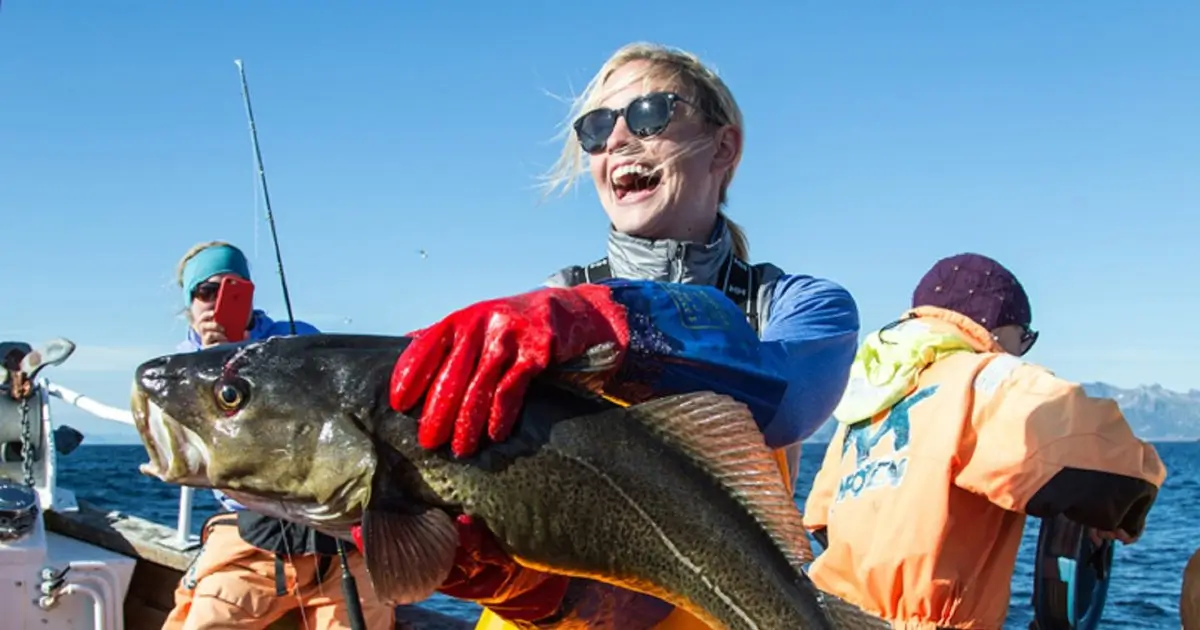
Fishing Industry in Lofoten has long been a cornerstone of the region’s economy, culture, and way of life. Known for its rich marine resources and strategic coastal location, Lofoten has attracted fishermen for centuries, establishing a legacy that continues to thrive today. Understanding the evolution of this industry offers insight into how traditional practices have merged with modern innovation, sustaining livelihoods while adapting to global market demands.
Lofoten’s waters are renowned for their abundance of fish, particularly cod, which has historically been a driving force behind the Fishing Industry in Lofoten. Seasonal migrations of fish, coupled with unique environmental conditions, have allowed the region to develop specialized techniques and traditions that distinguish it from other fishing hubs. The community’s deep connection with the sea is reflected in both the local culture and economy, making the industry an integral part of everyday life.
In addition to economic contributions, the Fishing Industry in Lofoten holds cultural significance. Generations of families have passed down knowledge of fishing methods, boat handling, and fish processing. This intertwining of culture and livelihood has created a resilient community that values sustainability, heritage, and innovation. The modern industry continues to balance these traditional roots with technological advancements, ensuring its relevance in a rapidly changing world.
The Past of Lofoten’s Fishing Industry
The history of the Fishing Industry in Lofoten stretches back centuries, shaped by geography, climate, and the richness of the surrounding seas. Understanding its past is crucial to appreciating the evolution that has brought the industry to its current state.
Historical Roots and Traditional Methods
- Early fishing communities: The coastal villages of Lofoten were first inhabited by fishermen who relied on the region’s abundant cod stocks. These early settlers developed techniques suited to the harsh Arctic conditions, including the use of small boats and handlines.
- Seasonal fishing patterns: Fishing was highly seasonal, with cod migrations dictating the rhythm of life. Families would follow the fish, establishing temporary settlements along the coast.
- Preservation methods: Traditional methods such as drying and salting fish became common. Stockfish, in particular, became a highly valued commodity traded across Europe.
Role of Cod Fisheries
- Cod became the backbone of the Fishing Industry in Lofoten, driving both local sustenance and international trade.
- The predictable migration of cod enabled fishermen to plan their seasons meticulously, ensuring maximum yield.
- Cod fisheries not only supported local communities but also became a critical export, linking Lofoten to wider economic networks.
Early Trade and Economic Impact
- The Fishing Industry in Lofoten contributed significantly to early trade, as stockfish was exported across Europe.
- Villages developed as trading hubs, with merchants establishing connections to transport fish to distant markets.
- Economic reliance on fishing fostered communal collaboration, with shared labor and cooperative practices common in traditional fishing villages.
Challenges Faced Historically
- Harsh weather conditions often threatened both life and catch, making fishing a perilous occupation.
- Limited technology meant that fish preservation and transportation were labor-intensive and time-consuming.
- Despite these challenges, the Fishing Industry in Lofoten endured, built on resilience, community knowledge, and adaptation to environmental conditions.
- Best Budget Travel Backpacks: 12 Affordable Picks For Every Type Of Traveler
- Travel Trailer Guide: Types, Costs & Buying Tips
- Best Places To Travel With Kids: 15 Family-Friendly Destinations For Every Age Group
- Travel Agent: What They Do, How They Work, Costs, Benefits & How To Choose One
- Europe Freezes US Travel: What It Really Means For Travelers In 2026 And Beyond
The Present of Lofoten’s Fishing Industry
Today, the Fishing Industry in Lofoten blends tradition with modernity, combining centuries-old practices with innovative technology. This synergy ensures sustainable production while maintaining the cultural essence of fishing communities.
Modern Fishing Techniques and Technology
- Advanced boats and equipment: Modern vessels are equipped with navigation systems, sonar, and mechanized nets, increasing efficiency and safety.
- Fishing gear innovations: Sustainable nets and hooks reduce bycatch and environmental impact, reflecting a growing awareness of ecological responsibility.
- Processing advancements: Refrigeration, automated filleting, and packaging systems allow for faster, higher-quality distribution of fish products.
Key Fish Species and Production Statistics
- While cod remains central, other species such as haddock, saithe, and mackerel contribute significantly to the Fishing Industry in Lofoten.
- The industry produces thousands of tons of fish annually, supporting both domestic consumption and global exports.
- Seasonal cycles continue to influence production, with careful planning ensuring sustainable harvests.
Economic and Employment Impact
- The Fishing Industry in Lofoten remains a major source of employment, from fishermen and boat crews to processing plant workers and logistics staff.
- Local economies benefit not only from direct fishing activities but also from related sectors like shipping, tourism, and equipment supply.
- Community-based cooperatives often ensure that profits are reinvested locally, supporting sustainable growth and social development.
Sustainability Efforts and Regulations
- Regulatory frameworks have been introduced to manage fish stocks, prevent overfishing, and protect marine ecosystems.
- Quotas and seasonal restrictions are implemented to balance production needs with conservation goals.
- Industry leaders collaborate with scientists and policymakers to adopt best practices, ensuring the Fishing Industry in Lofoten thrives for generations to come.
Challenges Facing the Industry Today
Despite its longstanding success, the Fishing Industry in Lofoten faces modern challenges that require adaptation, innovation, and sustainable management.
Impact of Climate Change
- Changing water temperatures affect fish migration patterns, altering traditional fishing seasons.
- Unpredictable weather events increase the risk for fishermen at sea, sometimes reducing overall catch.
- Rising ocean temperatures may threaten cod populations, the backbone of the Fishing Industry in Lofoten.
Overfishing and Environmental Concerns
- Global demand for seafood has led to increased fishing pressure, risking depletion of critical fish stocks.
- Bycatch and unsustainable practices in some areas can harm marine ecosystems.
- Environmental awareness and sustainable fishing regulations are essential to maintain the delicate balance of Lofoten’s seas.
Market Fluctuations and Global Competition
- Prices for fish products can vary drastically due to international market trends, impacting local income.
- Competing with other fishing regions worldwide requires innovation, efficiency, and quality assurance.
- Diversifying fish products and targeting niche markets can help sustain the Fishing Industry in Lofoten economically.
Preserving Traditional Culture
- Modernization sometimes clashes with centuries-old fishing traditions.
- Maintaining heritage techniques while adopting new technology ensures that cultural identity is preserved.
- Community initiatives and educational programs help pass down traditional knowledge to younger generations.
The Future of Lofoten’s Fishing Industry
Looking ahead, the Fishing Industry in Lofoten is poised for growth, driven by technology, sustainability, and global market opportunities.
Emerging Technologies and Innovations
- Smart fishing boats with AI-based navigation systems increase efficiency and safety.
- Innovations in fish processing, storage, and packaging improve product quality and shelf life.
- Data-driven monitoring of fish populations allows for more precise, sustainable harvesting.
Sustainable Practices and Policies
- Strict quotas, protected marine areas, and environmentally-friendly fishing gear ensure long-term viability.
- Collaboration between scientists, policymakers, and fishermen strengthens conservation efforts.
- Certification schemes for sustainable seafood help attract conscious global consumers.
Opportunities in Seafood Exports and Tourism
- International demand for premium seafood opens lucrative export markets.
- Culinary tourism focused on Lofoten’s seafood heritage can boost the local economy.
- Combining fishing with tourism, such as guided fishing trips or cultural tours, creates additional revenue streams.
Balancing Tradition with Modernization
- Embracing technology while honoring traditional practices ensures a resilient and culturally rich industry.
- Educational programs and apprenticeships can train the next generation of fishermen.
- Community support and knowledge sharing maintain the human element in a technologically advancing sector.
How to Support the Fishing Industry in Lofoten
Everyone can contribute to the growth and sustainability of the Fishing Industry in Lofoten, whether through conscious choices, economic participation, or advocacy.
Buying Locally Sourced Seafood
- Choose fish and seafood from Lofoten suppliers to directly support local fishermen.
- Promotes economic stability for communities reliant on fishing.
- Ensures the freshness, quality, and sustainability of seafood products.
Supporting Sustainable Practices
- Opt for seafood certified by sustainability programs.
- Encourage restaurants, markets, and suppliers to adopt eco-friendly fishing standards.
- Awareness campaigns can help reduce overfishing and protect marine ecosystems.
Engaging with Community Initiatives
- Participate in local festivals, cultural events, or volunteer programs related to fishing.
- Support cooperatives and organizations dedicated to preserving traditional fishing knowledge.
- Contributing to community projects strengthens the overall resilience of the industry.
Tourism and Cultural Promotion
- Visiting Lofoten and exploring fishing villages helps sustain local economies.
- Participate in guided tours, workshops, or seafood tasting experiences to engage with the culture.
- Promotes global recognition of the Fishing Industry in Lofoten as both economically and culturally significant.
FAQs about the Fishing Industry in Lofoten
What makes the Fishing Industry in Lofoten unique?
The Fishing Industry in Lofoten is unique because it combines rich marine resources, traditional fishing techniques, and cultural heritage. The seasonal cod migration and centuries-old stockfish production make it stand out compared to other fishing regions worldwide.
Which fish species are most important in Lofoten?
Cod is the most critical species for the Fishing Industry in Lofoten, but haddock, saithe, and mackerel also contribute significantly. These species are vital both for local consumption and international export markets.
How has technology changed fishing in Lofoten?
Modern technology, such as sonar, GPS navigation, automated nets, and refrigeration, has increased efficiency, safety, and product quality. These innovations allow fishermen to maintain high production levels while reducing environmental impact.
Is the Fishing Industry in Lofoten sustainable?
Yes, sustainability is a major focus. Regulations, quotas, and eco-friendly fishing gear are implemented to ensure the long-term health of fish stocks. Ongoing collaboration with scientists and policymakers helps balance economic needs with environmental protection.
How does climate change affect fishing in Lofoten?
Climate change impacts fish migration patterns and can alter the timing of fishing seasons. Rising ocean temperatures may affect cod populations, requiring careful management and adaptive strategies to maintain the Fishing Industry in Lofoten.
Can visitors experience the fishing culture in Lofoten?
Absolutely. Tourism plays a growing role, offering guided fishing trips, seafood tasting tours, and cultural workshops. Visitors can witness traditional practices while supporting the local economy.
What challenges does the Fishing Industry in Lofoten face today?
Challenges include climate change, overfishing, market fluctuations, and the need to preserve traditional knowledge while adopting modern techniques. Addressing these issues is essential for the industry’s future growth.
How does the industry benefit the local community?
The Fishing Industry in Lofoten provides employment, supports local businesses, and contributes to cultural preservation. Cooperative practices and reinvestment of profits strengthen community resilience.
Are there opportunities for exporting seafood from Lofoten?
Yes, high-quality fish products from Lofoten are in demand internationally. Sustainable certification and modern processing techniques help make exports more competitive on the global market.
What role does tradition play in modern fishing practices?
Tradition ensures the continuation of knowledge passed down through generations. While technology enhances efficiency, preserving traditional methods maintains cultural identity and fosters sustainable practices.
Conclusion
The Fishing Industry in Lofoten has a rich history, evolving from traditional cod fisheries to a modern, technologically advanced sector. Its past highlights the resilience and ingenuity of local communities, who adapted to harsh conditions while creating a thriving economy rooted in the sea. Understanding this history allows us to appreciate the cultural and economic significance of fishing in the region.
Today, the Fishing Industry in Lofoten balances innovation with tradition, embracing modern techniques, sustainable practices, and global market opportunities. Despite challenges such as climate change, overfishing, and market fluctuations, the industry continues to grow by integrating science, technology, and community-driven approaches. This careful balance ensures that Lofoten’s fishing legacy remains strong and relevant.
Looking to the future, the Fishing Industry in Lofoten holds immense potential. With continued investment in sustainability, emerging technologies, and cultural preservation, the industry can thrive for generations to come. Supporting local seafood, sustainable practices, and tourism initiatives will help maintain this vital sector, preserving both the environment and a rich cultural heritage.
