

Is Cancun safe? The honest answer is the one the US State Department gives: Cancun and the surrounding state of Quintana Roo carry a Level 2 advisory — “Exercise Increased Caution” — which places Mexico’s busiest resort coast in the same risk band as France, Italy, and the Bahamas. Millions of Americans visit every year, and the overwhelming majority have an entirely uneventful beach vacation. At the same time, Level 2 is not Level 1: crime, including incidents linked to organized crime, does occur in the region, occasionally in places tourists go. This guide separates the two realities — the resort bubble that works hard to protect you, and the ordinary city beyond it where normal big-city caution applies — and gives you the transport, nightlife, and safety playbook for each.
is cancun safe right now
Asking is cancun safe right now is the right instinct, because advisories are snapshots, not permanent labels. Mexico’s advisory is issued state by state, and Quintana Roo’s Level 2 rating reflects a steady rather than spiking risk picture: criminal groups are present in the state’s economy, and their disputes — not tourists — generate most of the serious violence. The incidents that should shape tourist behavior are the spillover ones: confrontations that have occurred in public areas of Cancun, Playa del Carmen, and Tulum in recent years, sometimes in daylight, sometimes near nightlife districts.
The State Department’s Mexico guidance also carries standing instructions for its own employees that make excellent tourist rules: avoid traveling between cities after dark, use regulated transport rather than hailing street taxis, and stay alert in bars and clubs. The full, current text lives on the State Department’s Mexico country information page — read the Quintana Roo section a week before you fly, and enroll in the Smart Traveler Enrollment Program (STEP) so any change reaches you directly.
Conditions on the ground also include the unglamorous risks: rough surf on the Caribbean-facing beaches (obey the flag system — red means stay out), intense sun and heat, and opportunistic theft around ATMs and crowded nightlife streets. Those everyday risks, not cartel headlines, are statistically what touch tourists most often.
is it safe to travel to cancun right now
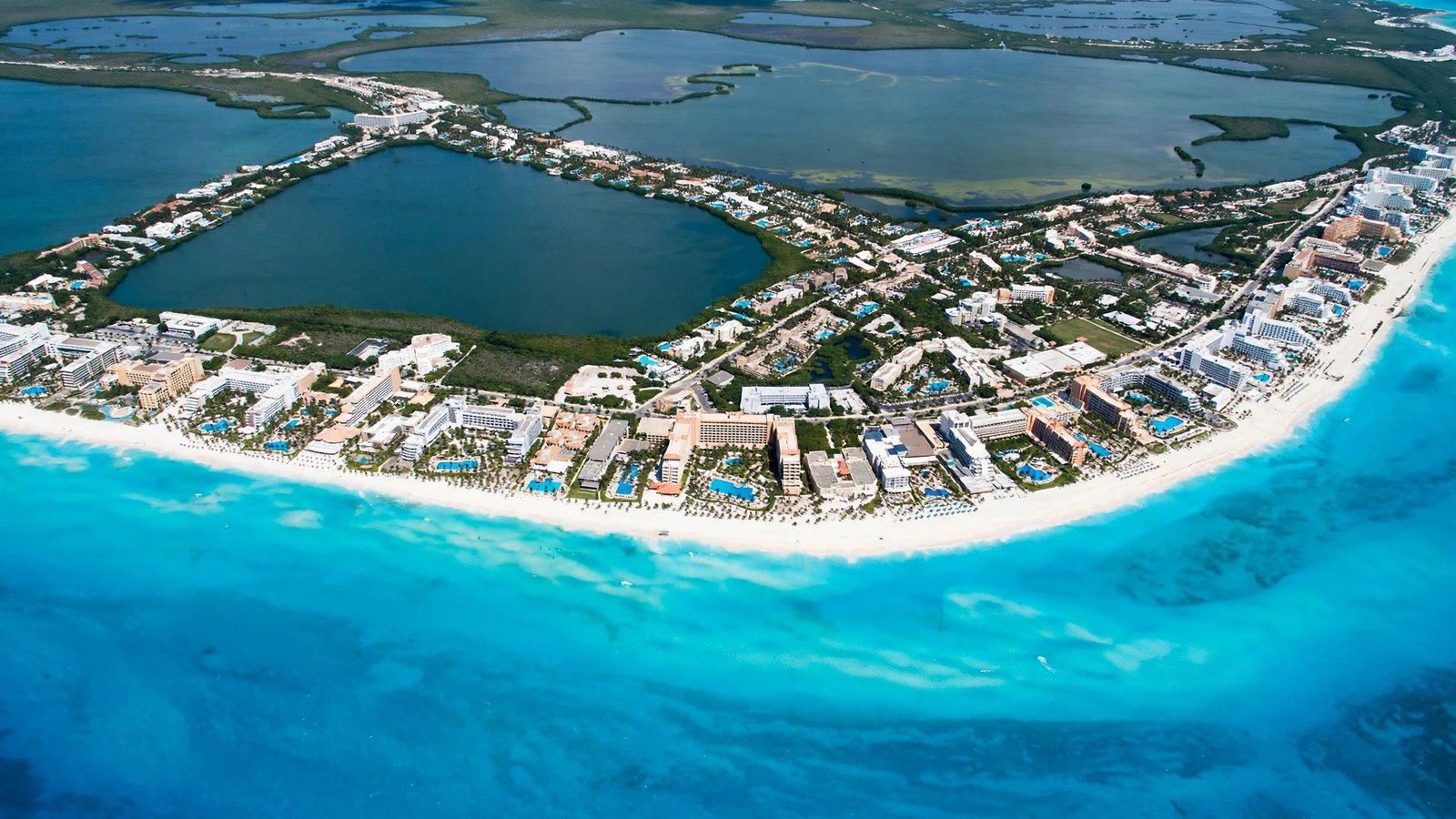
For most travelers, is it safe to travel to cancun right now resolves to a geography question, because Cancun is two places sharing a name. The Hotel Zone (Zona Hotelera) is a purpose-built resort strip on a barrier island, packed with large hotels, private beach clubs, and a heavy visible security presence. Downtown Cancun (El Centro) is a normal working Mexican city of around a million people, with the normal spread of safe and sketchy neighborhoods that implies — and almost none of a resort tourist’s itinerary.
Practical geography for your trip:
- Hotel Zone and resort corridors: the bubble works. Staying in-resort, using hotel-arranged excursions, and taking regulated transport keeps you in the most protected environment in the state.
- Playa del Carmen and Tulum: enormously popular, generally comfortable in their central tourist zones, and the towns where spillover incidents have most often made news. Enjoy them with city awareness — particularly at night and around the bar districts.
- Cozumel and Isla Mujeres: island day-trip and stay-over favorites with a calmer, small-town feel; the ferry ride itself is a regulated, well-run operation.
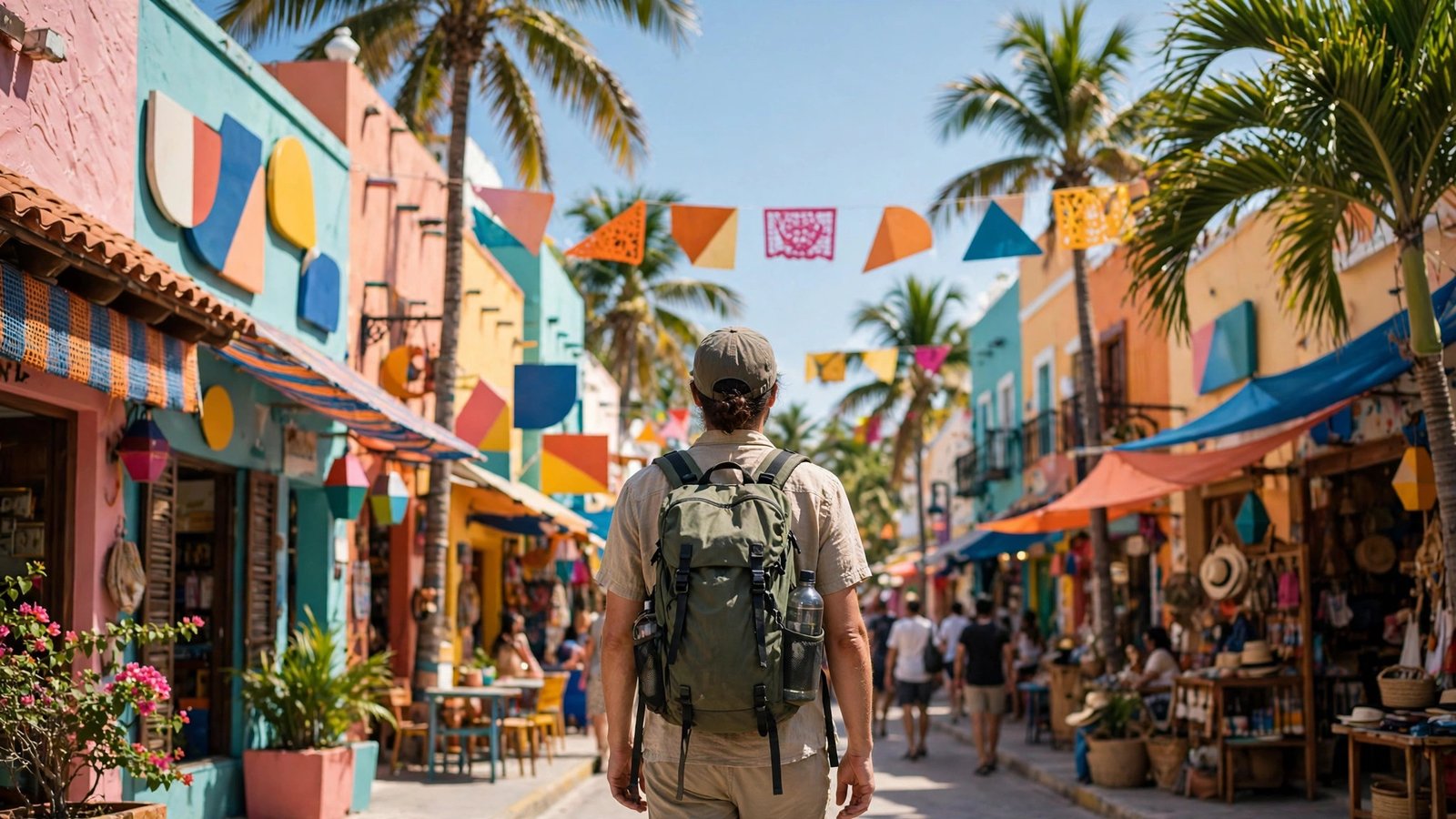
- Downtown Cancun: worth a visit for food and markets in daylight with the same awareness you’d use in any large unfamiliar city; not the place for late-night wandering.
is it safe to travel to cancun
Stepping back, is it safe to travel to cancun is best answered comparatively. The State Department rates the whole state at Level 2 and does not single Cancun out for avoidance — a meaningful distinction from Mexico’s Level 4 states, which it tells Americans not to visit at all. The honest framing is “a major international resort destination operating inside a state with real organized-crime presence,” which describes several famous beach regions worldwide. Our region-by-region Mexico safety guide puts Quintana Roo in the full national picture, and our explainer on State Department advisory levels decodes what each level does and does not mean.
What the advisory framework cannot capture is your personal exposure, which you control: the traveler who stays in the resort corridor, books excursions through the hotel, and takes regulated taxis at night has a fundamentally different risk profile from the traveler hunting unlicensed nightlife and buying substances from strangers in a back street. Cancun’s most serious tourist incidents have disproportionately involved the second pattern — including encounters with the drug trade, which in Mexico is not a victimless detour but direct contact with the organizations behind the violence.
cancun travel advisory
The cancun travel advisory story has one more layer American visitors should understand: the Mexican and US systems describe the same place differently, and both deserve a hearing. Mexican tourism authorities point — accurately — to the sheer scale of safe tourism: Quintana Roo receives international visitors in the millions, its airports and hotel zones are engineered for them, and the resort economy’s dependence on American confidence produces intense local investment in tourist security.
The State Department, equally accurately, writes its advisories for the whole state and for worst cases: it rates regions, not resorts, and it must account for the American who rents a car and drives to a remote town at midnight, not just the family inside an all-inclusive. Neither source is lying; they are answering different questions. The traveler who reads both ends up in the right place: confident about the resort corridor, careful outside it, and enrolled in STEP for updates either way.
Timing notes also matter. Spring break brings a specific annual consular message for Cancun — heavier drinking, crowded clubs, and predictable problems — and hurricane season (June through November) adds a weather dimension that has nothing to do with crime: a direct-hit storm is the single largest disruption risk a summer or fall trip carries. Flexible cancellation terms and decent coverage, the kind compared in our international travel insurance guide, earn their keep in this destination more than most.
cancun safety tips
These cancun safety tips are the distilled version of the advisory, the consular guidance, and long local experience:
- Transport: use airport-authorized taxis or pre-booked transfers on arrival; use hotel-dispatched or radio taxis and reputable rideshare where it operates in the city; take the ADO bus for intercity trips — it is comfortable, cheap, and the locals’ choice. Avoid hailing random street taxis at night.
- Nightlife: stay in the busy, lit club zones; watch your drink being made and never leave it unattended; agree taxi fares before the door closes; head home with your group, not with new acquaintances offering a better party elsewhere.
- Money: use ATMs inside banks or hotels, in daylight; carry one card and modest cash; leave the good watch and visible jewelry at home — Cancun rewards the under-dressed traveler.
- Beach and water: obey the flag system, respect the undertow on open-Caribbean beaches, and moderate the midday sun — the most common “emergency” in Cancun is entirely preventable heat and alcohol trouble.
- Drugs are a hard no. Buying or carrying illegal drugs in Mexico exposes you to arrest and to the criminal networks themselves. There is no version of this that ends well.
- Documents and backup: photograph your passport, keep the original in the hotel safe, and know the numbers that matter: 911 works across Mexico for emergencies, and the US consular agency in Cancun and the Consulate General in Mérida handle citizen emergencies.
Getting around safely: the transport picture in detail
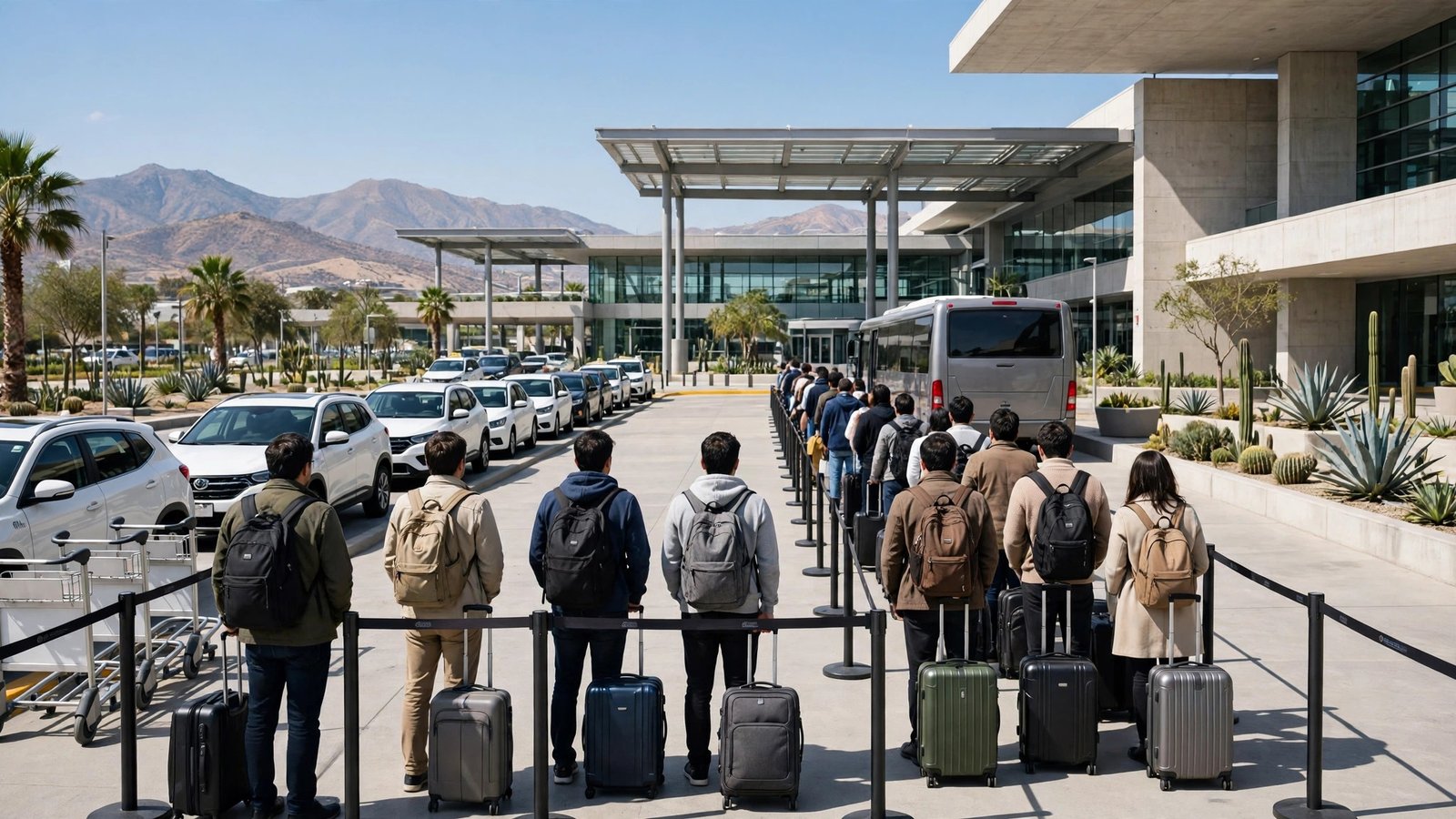
Transport is where Cancun safety is won or lost daily, so it deserves more than a bullet. From the airport, the legitimate choices are pre-booked private or shared transfers, the airport taxi companies with fixed posted rates, and the ADO bus into downtown (with a short taxi hop onward). Anyone inside the terminal offering an unsolicited “deal” on a ride is selling something other than transport — walk past.
Inside the resort area, the R-1 and R-2 buses run the Hotel Zone strip constantly and are used by tourists and workers alike; they are cheap, frequent, and fine in daylight and busy evening hours. For door-to-door travel, hotel concierges dispatch trusted taxis, and rideshare apps operate in Cancun with a complicated local history involving taxi-union resistance — service works, but pickup friction around the airport and some hotel zones still occurs, so build in patience or default to the concierge’s taxi.
Renting a car opens the Riviera Maya properly — cenotes, ruins, and beach towns on your schedule — and the main highways are modern toll or well-kept federal roads. The rules are simple: drive in daylight, keep to the main routes, know that military and police checkpoints are routine (slow down, be polite, comply), and never leave visible valuables in the parked car at a beach lot. Most Cancun car days end with nothing more dramatic than a great lunch — the system works when travelers use the parts of it designed for them.
Frequently asked questions
Is the Hotel Zone safe at night?
The Hotel Zone is the most heavily patrolled tourist area in the state, and walking between its hotels, restaurants, and clubs is a normal part of the vacation for millions. Use the same judgment you would in any nightlife district: stay in the busy stretches, use regulated transport for longer hops, and keep the drinking ahead of your awareness rather than behind it.
Is it safe to leave the resort in Cancun?
Day trips to ruins, cenotes, and towns like Valladolid or Isla Mujeres are standard, safe tourist behavior — ideally on organized excursions or the ADO network. What changes the risk is improvising: unlicensed tours, remote roads after dark, and flashing wealth in unfamiliar neighborhoods.

Can I drink the water?
Resorts and hotels use purified water for ice and drinking; follow their guidance. Outside resorts, bottled or purified water is the default for visitors.
What is the biggest risk for most tourists?
Not crime — complacency with sun, surf, and alcohol, plus petty theft in crowded areas. Serious incidents involving tourists are uncommon, and the pattern behind many of them (drug purchases, isolated late-night wandering) is avoidable behavior.
The bottom line: Cancun at Level 2 is a “go, and behave like a grown-up” destination: enjoy one of the world’s great resort coasts inside its well-run tourist systems, respect the fact that a real city and a real state surround them, and let the advisory framework — not the headlines — set your comfort level.
