
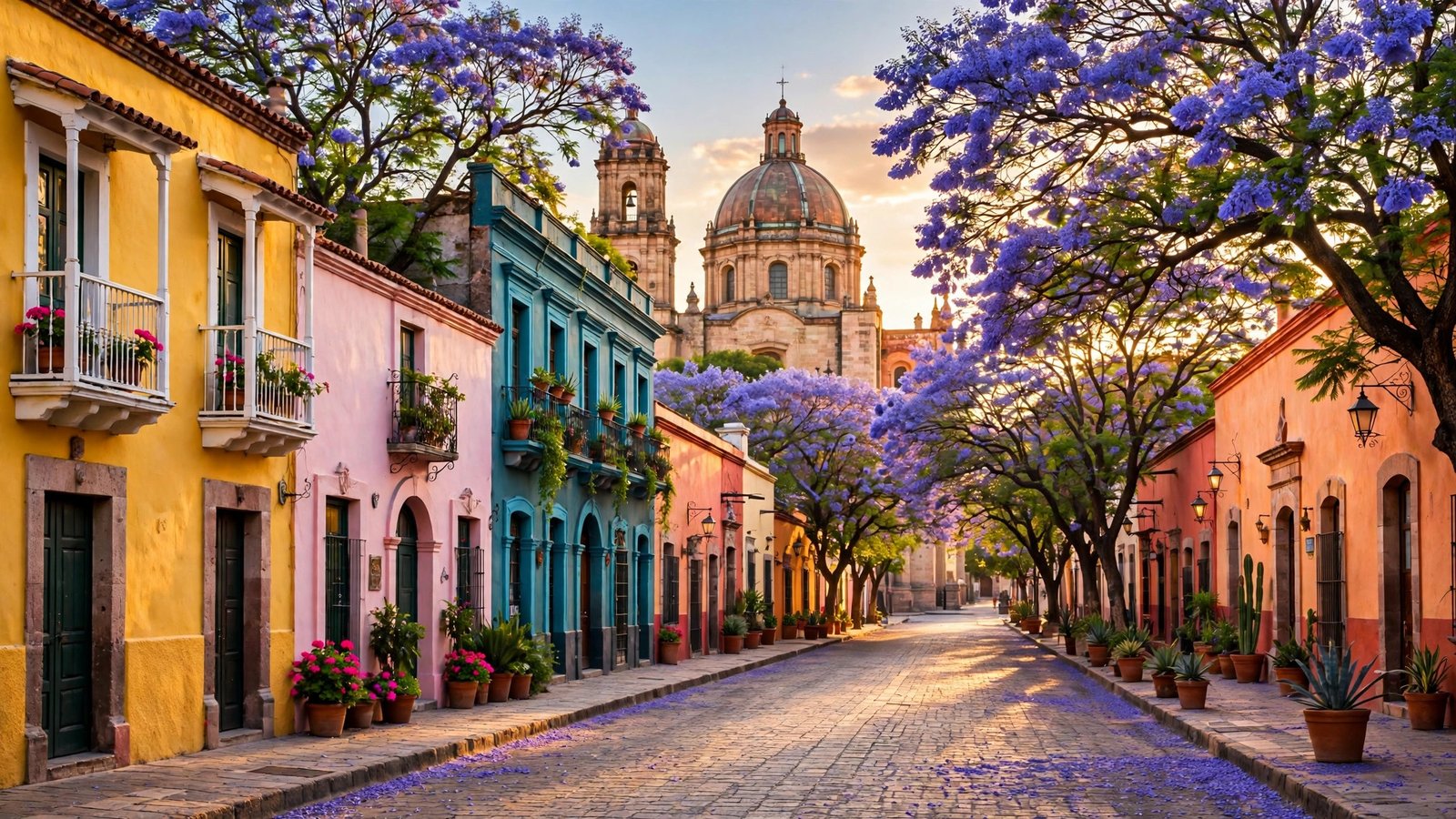
Is it safe to travel to Mexico? It is the wrong question asked about the right country — because Mexico is not one risk but thirty-two. The US State Department rates Mexico state by state, and its current map spans every level it has: tranquil Level 1 states where Americans are told simply to take normal precautions, the big Level 2 tourist belt, Level 3 states where it advises reconsidering travel, and six Level 4 states it says not to visit at all. A traveler flying into Mérida and a traveler driving into Sinaloa are both “traveling to Mexico,” and almost nothing about their risk is the same. This guide walks the map region by region, then zooms into the destinations Americans actually ask about: Cabo, Puerto Vallarta, Mexico City, Guadalajara, and Oaxaca.
is it safe to travel to mexico right now
The current advisory structure, per the State Department’s Mexico advisory (updated in 2025 and reaffirmed since), looks like this at country scale. Mexico as a whole carries a Level 2 headline, with these state-level assignments underneath it:
- Level 4 — Do Not Travel: Colima, Guerrero, Michoacán, Sinaloa, Tamaulipas, Zacatecas (crime and kidnapping). This list includes Acapulco and Ixtapa-Zihuatanejo’s state (Guerrero) and Mazatlán’s state (Sinaloa) — famous names that do not override the rating.
- Level 3 — Reconsider Travel: Baja California (including Tijuana), Chiapas, Chihuahua, Guanajuato, Jalisco, Morelos, Sonora.
- Level 2 — Exercise Increased Caution: the broad middle, including Quintana Roo (Cancun), Baja California Sur (Los Cabos), Mexico City, Nayarit, Nuevo León, Oaxaca, Puebla, Querétaro, Veracruz, and others.
- Level 1 — Exercise Normal Precautions: Campeche and Yucatán — the only two, home to Mérida and the classic Maya circuit.
Enroll in the Smart Traveler Enrollment Program (STEP) before any Mexico trip so advisory changes reach you by email, and read the state section for your exact destination rather than the country headline. If your route crosses states — a long drive, a multi-stop road trip — the highest-rated state on your route sets your planning standard.
is mexico safe
Is mexico safe in the way tourists usually mean it — will I, personally, be fine? For the tens of millions who visit the Level 1 and Level 2 destinations each year and behave with ordinary awareness, the lived answer is overwhelmingly yes. Mexico’s resort corridors, colonial cities, and capital are engineered for visitors, staffed by an enormous tourism workforce, and experienced by most travelers as warm, orderly, and easy.
The advisory system exists for the other truth: Mexico’s criminal organizations are real, their conflicts are the engine behind the Level 3 and 4 ratings, and the boundary between their world and the tourist world is maintained by geography and behavior rather than by magic. Tourists who stay in the visitor economy — known destinations, main routes, regulated transport, daylight movement — almost never encounter that world directly. Tourists who go looking for its edges, above all through drug purchases, occasionally do. Our deep-dive on Cancun safety illustrates the pattern in Mexico’s most-visited destination, and our explainer of US travel advisory levels shows how to read any country’s map the same way.
is cabo safe right now
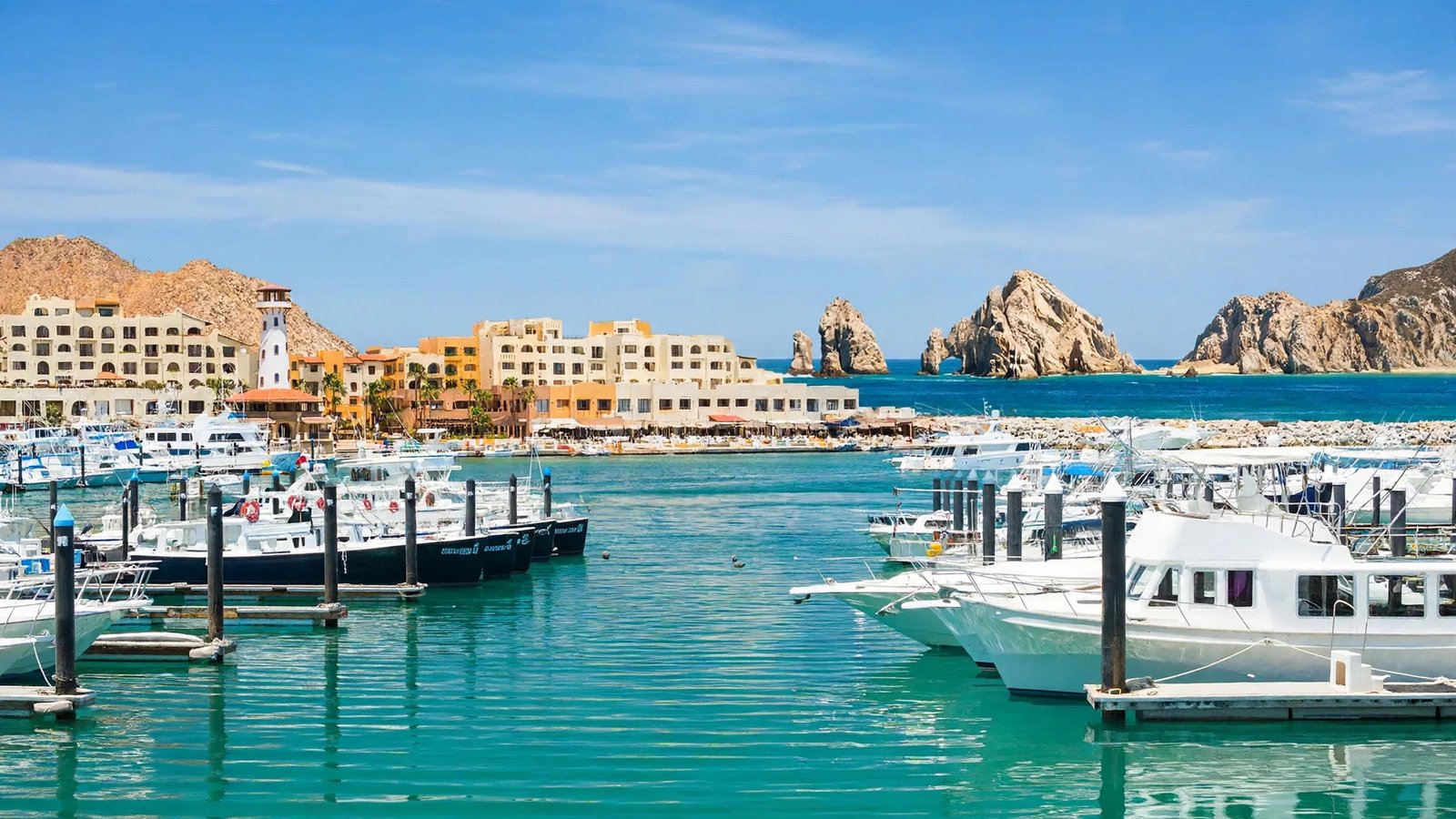
Los Cabos — Cabo San Lucas and San José del Cabo, at the tip of Baja California Sur — sits in a Level 2 state, and its tourist experience matches that rating. The resort corridor between the two towns is one of Mexico’s most controlled visitor environments, with heavy investment in lighting, patrols, and private security, and the destination’s dependence on American visitors (including a large repeat and timeshare population) keeps standards high.
The Cabo-specific notes are practical rather than alarming: petty theft and timeshare-adjacent sales pressure are the everyday frictions; the Pacific-side beaches have genuinely dangerous surf (many are unswimmable — obey the flags and your hotel’s guidance); and the drive from the airport is a modern toll road used by every visitor transfer. Nightlife in Cabo San Lucas’s marina district follows the universal rules: busy and lit is fine, isolated and improvised is not.
is puerto vallarta safe
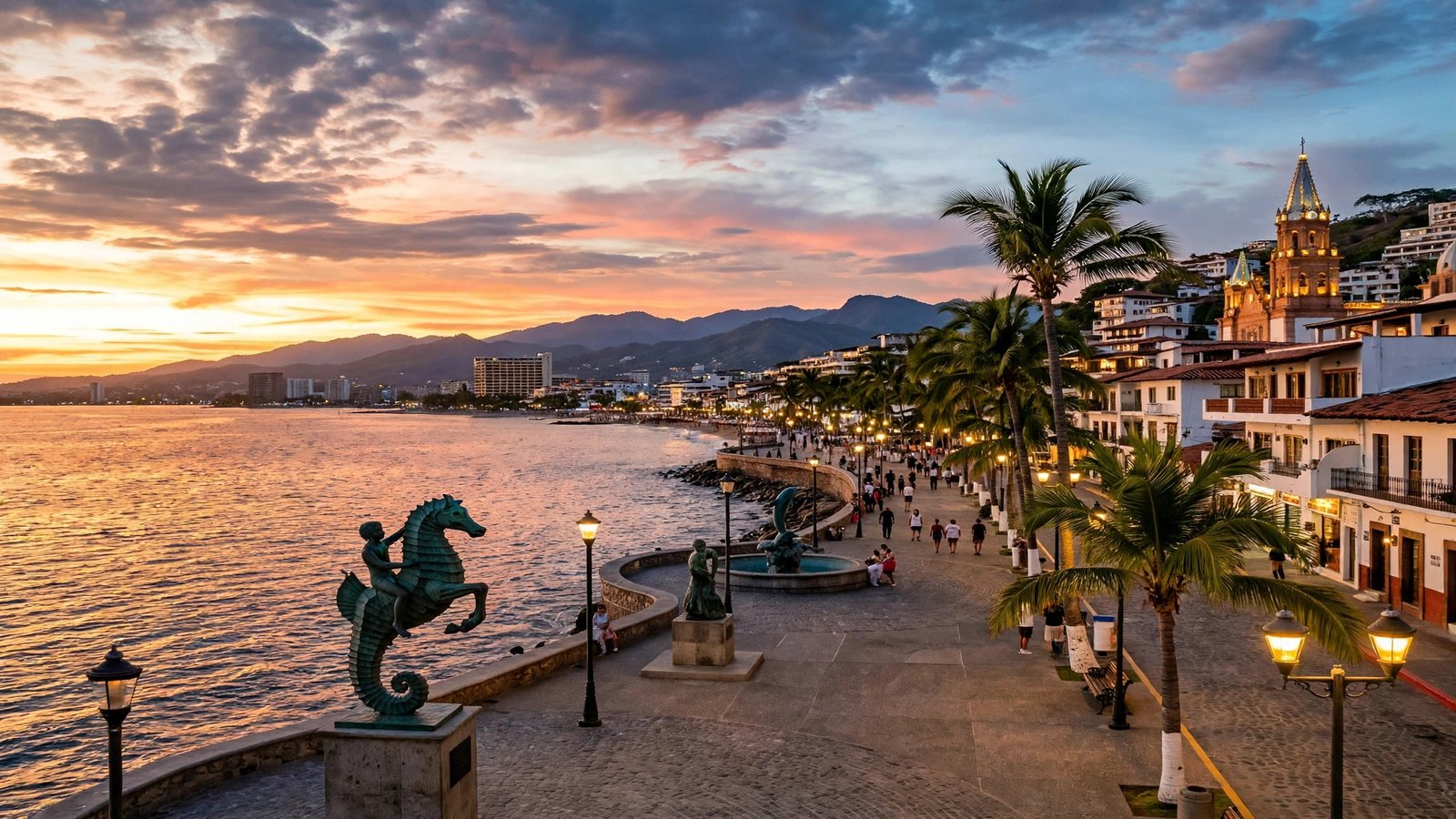
Puerto Vallarta requires the nuance this guide exists for. The city sits in Jalisco, a Level 3 state, and the State Department’s state-level advice says to reconsider travel to Jalisco due to crime and kidnapping. The resort itself, however, is one of Mexico’s most established and beloved destinations, with a long record of receiving American and Canadian visitors — including a large expatriate community — without the pattern of tourist-targeted violence that drives the state’s rating, which reflects conflicts elsewhere in Jalisco and the Guadalajara metro area’s criminal landscape.
The honest guidance mirrors the State Department’s own employee rules for the region: the visitor economy of the bay (the Hotel Zone, the Romantic Zone, Marina Vallarta, and the established beach towns of the bay’s north shore) functions with high tourist awareness, while road travel deeper into Jalisco — especially after dark, and toward the state’s southern and border regions — deserves the Level 3 respect the map assigns it. Fly in, enjoy the bay, take organized excursions, and let intercity adventures wait for a daylight bus on a main route.
is mexico city safe
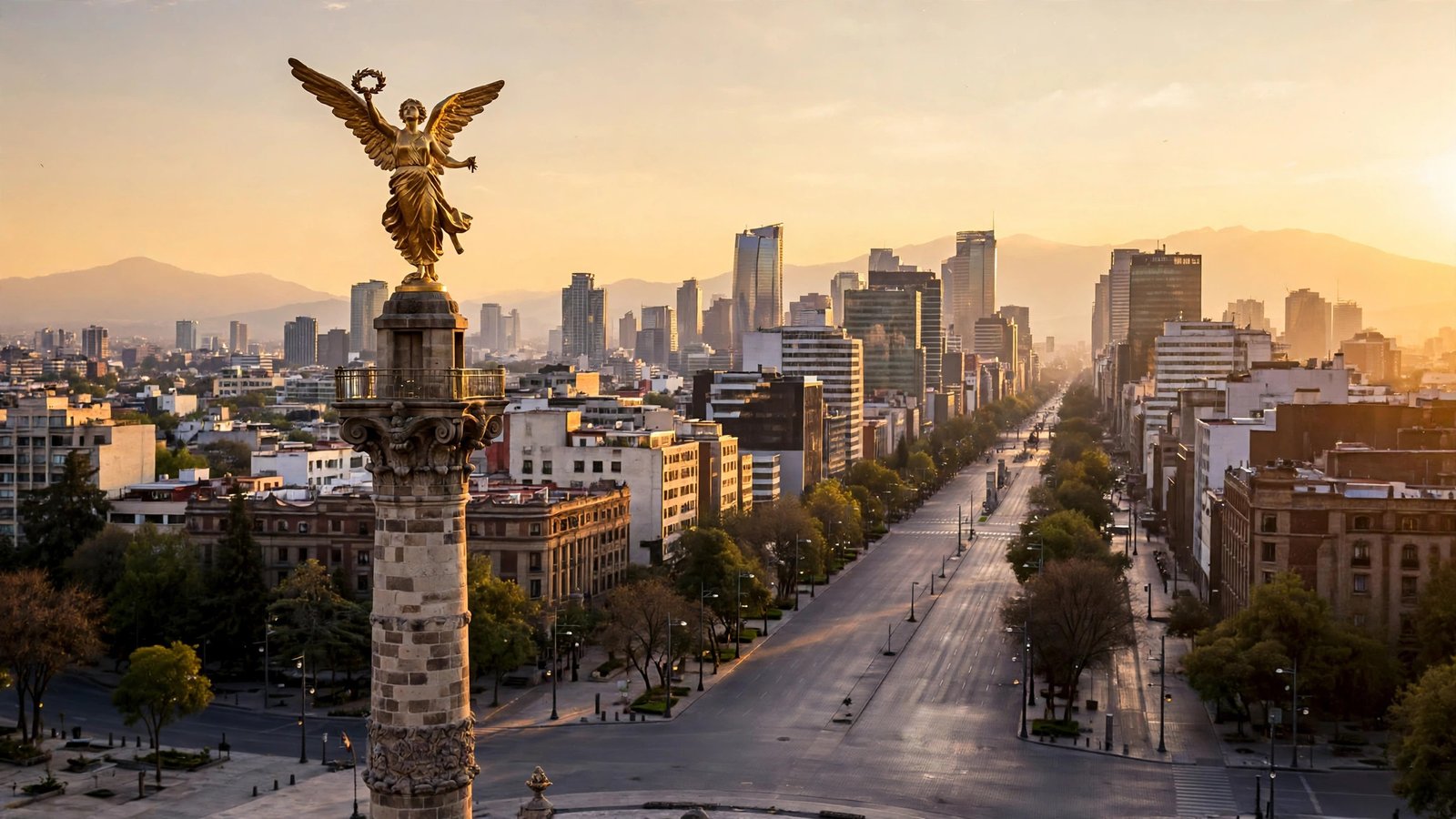
Mexico City, rated Level 2, asks for big-city skills rather than beach rules. The neighborhoods visitors actually inhabit — Polanco, Roma, Condesa, Coyoacán, the Centro Histórico around the Zócalo, and the Reforma corridor — are busy, patrolled, and experienced by huge numbers of tourists without incident. The city’s real risks are the classic metropolitan set: pickpocketing on crowded transit, phone snatching, express-kidnapping-style taxi scams that the standard defenses (app-based rides, never street-hailing) neutralize, and neighborhoods far from the visitor map where tourists have no business wandering.
Use Uber or DiDi rather than hailing taxis on the street — this is the single most repeated piece of Mexico City advice from both the State Department and residents. Ride the Metro at off-peak hours if you use it at all, keep the phone in your pocket between looks, and treat the city like New York or Paris: the famous parts are famous partly because they work. The reward is one of the world’s great capitals — museums, food, and history at a density few cities match.
is guadalajara safe
Guadalajara, Jalisco’s capital and Mexico’s second city, lives under the same Level 3 state rating as the rest of Jalisco, and here the rating deserves more weight than it does in Puerto Vallarta’s resort bubble. The metropolitan area has experienced the criminal-group violence and territorial disputes that drive the state’s assessment, including incidents in upscale districts that remind residents the conflict does not respect neighborhood lines.
Travelers with a reason to go — business, family, the tequila country day trips, the city’s genuine cultural riches — go with eyes open: base in the established western districts (Zapopan, Providencia, Chapalita, the Minerva area), move by app-based rides, keep nights early and central, and follow local advice about areas to skip entirely. Guadalajara is not a war zone; it is a great city inside a state whose conflict is real, and the Level 3 mindset — plan deliberately, avoid improvisation, skip the rural highway detours — is the right one.
is oaxaca safe
Oaxaca state sits at Level 2, and its capital, Oaxaca City, is one of Mexico’s most rewarding destinations — a colonial jewel with arguably the country’s finest food scene, deep indigenous culture, and a well-worn, comfortable visitor circuit in its historic center. Tourist experience here is generally relaxed: the centro is walkable, the markets and mezcal culture are welcoming, and the main risks are petty theft and the occasional road protest — Oaxaca has a long tradition of demonstrations and road blockades that can disrupt travel plans without targeting travelers.
Practical notes: build slack into road itineraries (blockades are an inconvenience, rarely a danger), fly or take main highways between regions rather than improvising mountain shortcuts, and apply ordinary care at night outside the centro. The coastal towns (Puerto Escondido, Huatulco) share the state’s Level 2 rating and its beach-town logic: busy and established is comfortable, remote and improvised deserves thought.
where in mexico is safe to travel
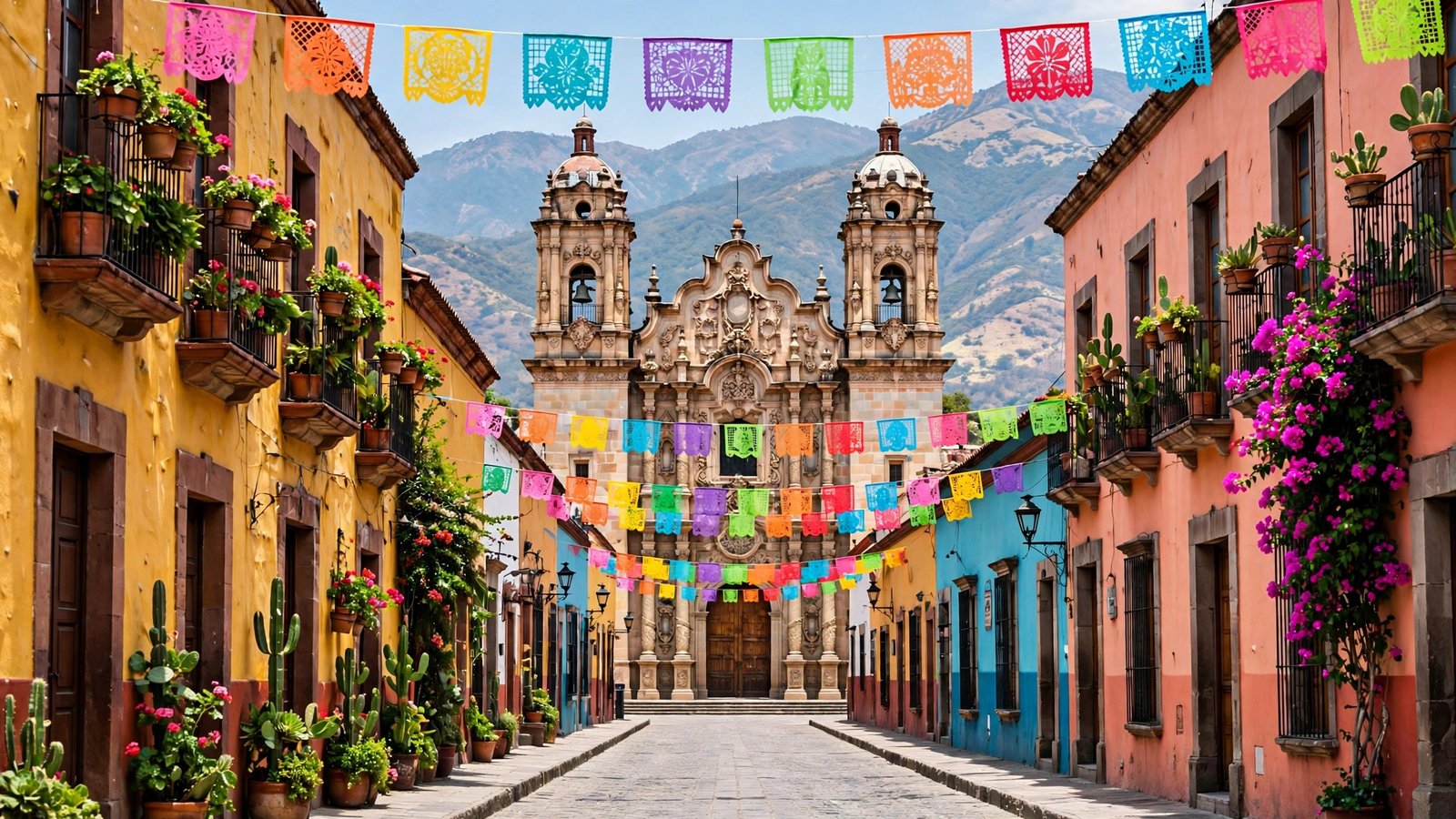
If your question is simply where in mexico is safe to travel, the map answers it directly. Start with Level 1: Yucatán and Campeche — Mérida, Valladolid, Chichén Itzá, Uxmal, and Campeche City — where the advisory asks only for normal precautions and the Maya-world circuit is superb. Then the great Level 2 belt: Cancun and the Riviera Maya, Los Cabos, Mexico City, Oaxaca, Puebla, Querétaro, San Miguel de Allende’s state notwithstanding its Level 3 listing for Guanajuato — a perfect example of why you read both the map and the destination reporting — plus the wine country of Valle de Guadalupe’s state at Level 3, which visitors approach with resort-area logic similar to Puerto Vallarta’s.
Add the universal rules and the picture completes itself: fly rather than drive long intercity distances, move between cities in daylight on main routes, use regulated or app-based transport, keep the drug economy entirely out of your trip, and learn the handful of Spanish phrases that make every interaction smoother — our Spanish phrases for travel guide is the fifteen-minute version. Mexico, read properly, is not a yes-or-no destination. It is a map — and the best parts of it are wide open.
Frequently asked questions
Why do some famous resorts sit in high-rated states?
Because the State Department rates whole states, and conflicts are rarely located at the beach. Puerto Vallarta’s bay and Mazatlán’s malecón feel their state ratings differently — read the state text, which often carves out how US personnel may visit specific tourist areas.
Is it safe to drive in Mexico?
On main toll highways in daylight between major destinations, driving is common and generally fine; the advisory’s strong warnings target night driving, remote routes, and Level 3–4 territory. Many visitors rationally choose flights and ADO buses instead.
What number do I call in an emergency?
911 works nationwide in Mexico. Save your hotel’s number, your insurer’s assistance line, and the nearest US consulate’s contact before you need any of them.
Does travel insurance change the picture?
It changes the consequences, not the risks: medical care, evacuation, and trip disruption are the realistic costs of a bad day, and they are exactly what coverage addresses. US health insurance generally does not work in Mexico.
The bottom line: Mexico is thirty-two answers wearing one name. Read the map, choose the states the State Department itself treats as routine, apply grown-up city and resort behavior, and the country delivers some of the best travel on the continent.
