
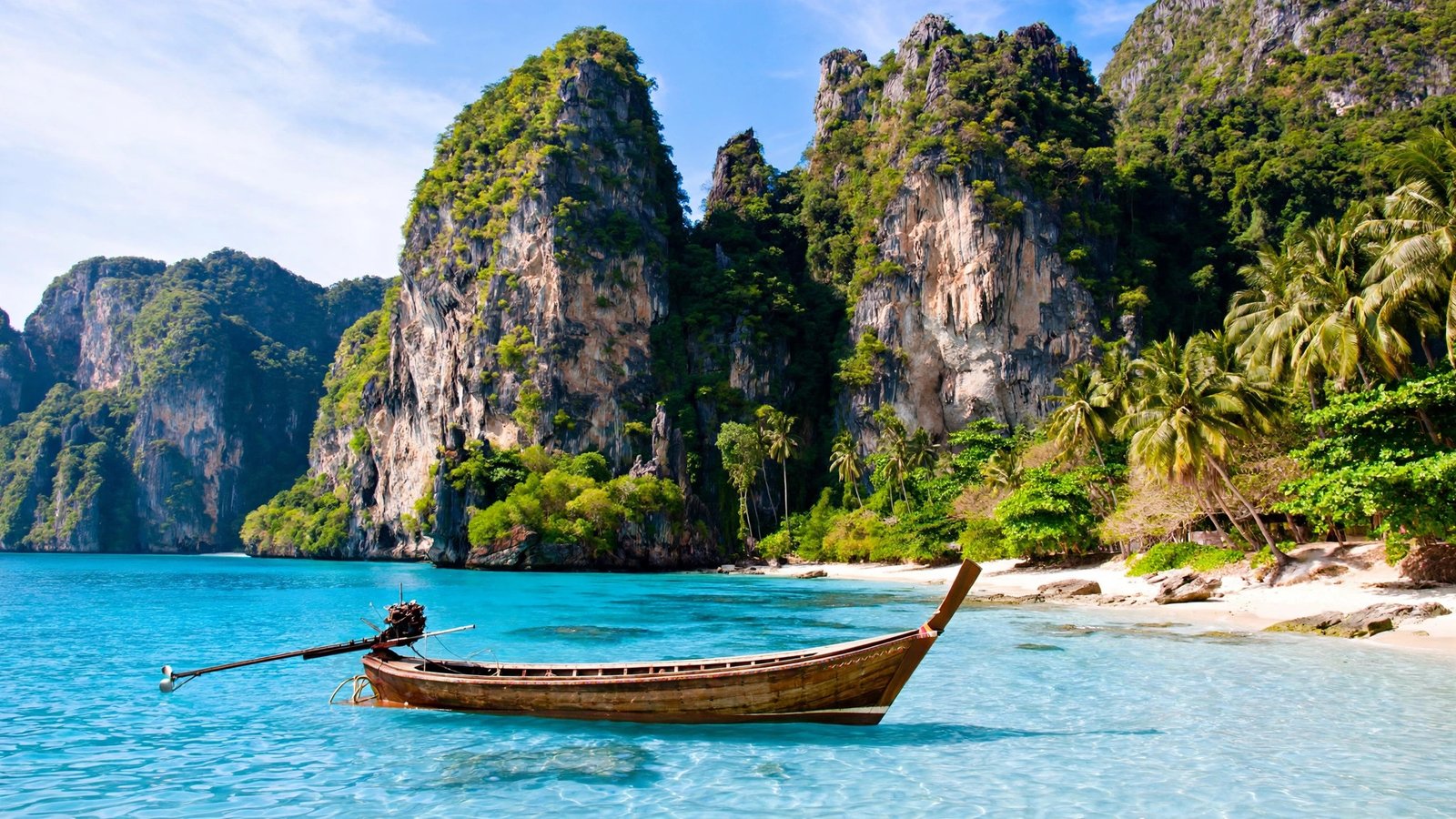
Is Thailand safe? By the US State Department’s measure, Thailand is one of the more reassuring destinations in this entire series: Level 1, Exercise Normal Precautions — the very same rating given to the world’s most routine tourist countries. Tens of millions of visitors a year confirm the lived version of that rating: Thailand is warm, orderly, and famously welcoming, with a tourism infrastructure refined over fifty years. But Thailand’s risk profile has a peculiar shape. The danger is rarely crime or politics; it is the road outside your hotel, the scooter you are not qualified to ride, and a handful of polished scams that have run on tourists for decades. This guide covers the advisory, the regional exceptions in the far south, and the practical intelligence that keeps a Thailand trip as safe as its reputation.
is thailand safe to travel
Is thailand safe to travel for a first-timer? The honest, evidence-based answer is yes, with the Level 1 rating doing real work in that sentence. Violent crime against tourists is uncommon, tourist areas are well-policed, and the Thai tourism economy runs deep enough that help — English-speaking hotel staff, tourist police, private hospitals of genuinely high quality in Bangkok and the resort cities — is never far away.
The Level 1 headline carries regional carve-outs that matter. The State Department has long advised heightened caution or reconsideration for the far southern provinces of Yala, Pattani, and Narathiwat, where a long-running insurgency produces periodic violence; these provinces are far off the tourist circuit, but a traveler overlanding toward Malaysia needs to know the names. Separately, the Thailand–Cambodia border saw armed clashes in 2025, and the advisory has urged avoiding border areas there while tensions persist — the famous temple sites near that border are exactly the kind of place to check against the current Thailand country information page before planning a visit. For perspective on how Level 1 differs from the ratings elsewhere in the region, our State Department advisory levels explainer is the key.
is it safe to travel to thailand
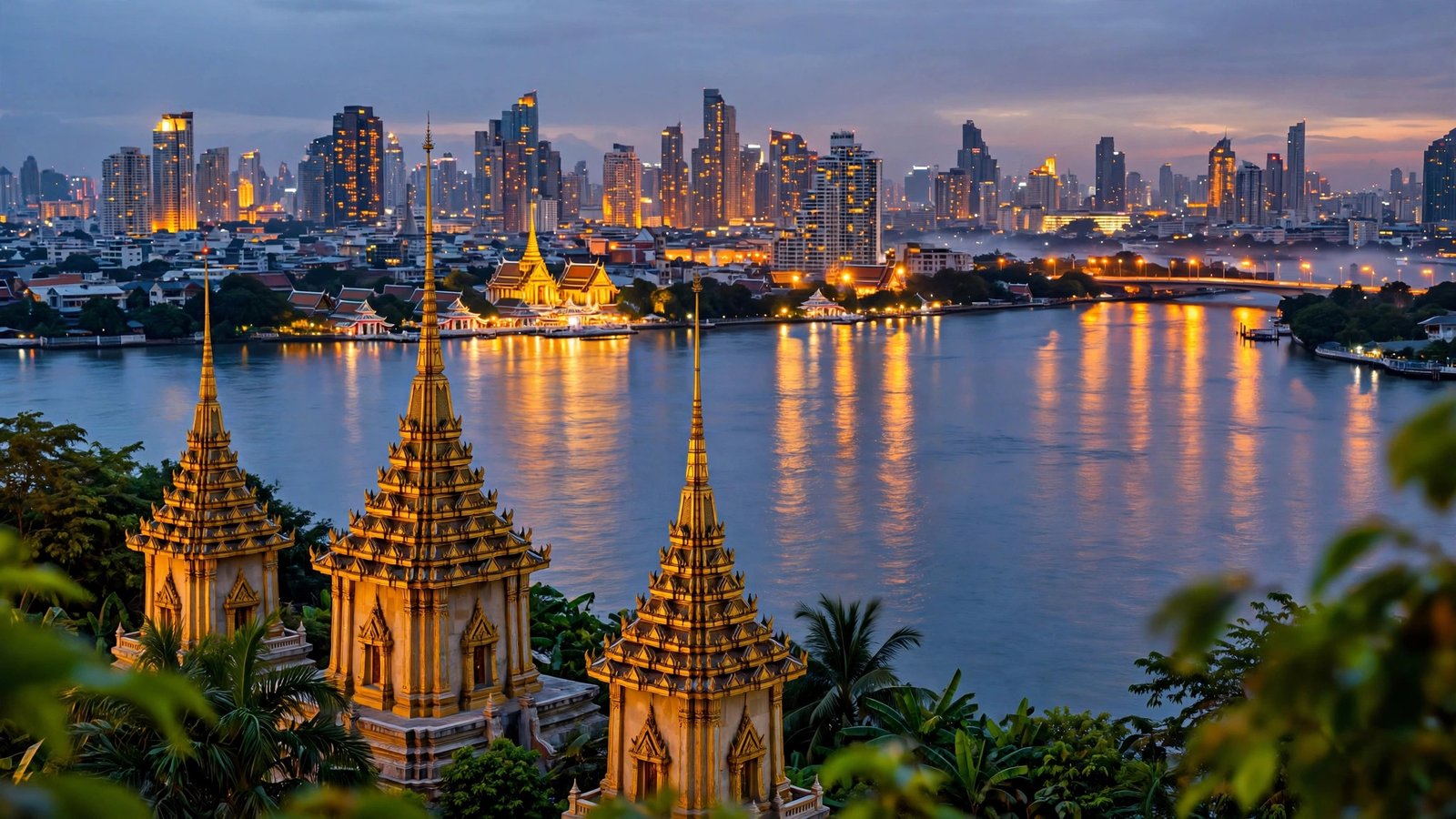
The statistical heart of is it safe to travel to thailand is one grim superlative: Thailand’s roads are consistently ranked among the most dangerous in the world, with road deaths per capita near the global top — and motorcycles are involved in the great majority of them. This is the risk that actually follows tourists home, and it concentrates in a single decision: renting a scooter on an island or in a beach town without a license, without experience, and without a helmet.
The rules that neutralize most of it:
- Do not ride what you cannot legally and competently ride. A valid motorcycle license (plus an International Driving Permit) is required; without one, your travel insurance can and likely will deny the medical claim after a crash.
- Helmet, always, rider and passenger. Enforcement varies; physics does not.
- Islands multiply the temptation and the risk. Koh Phangan, Koh Samui, Koh Tao, Phuket, and Chiang Mai’s mountain roads all rent scooters to anyone with a passport — that passport is often held as “security,” a practice that hands the shop leverage in any damage dispute. Photograph the bike from every angle before riding away.
- Roads are shared differently. Trucks, stray animals, sand on corners, sudden rain, and night driving with alcohol in the mix — Thailand’s road culture rewards the defensive and the sober.
- Boats deserve the same skepticism. Speedboat and ferry incidents occur, especially in rough seas between islands. Choose established operators, wear the life jacket, and do not board an overloaded vessel because the ticket was cheap.
is it safe to travel to thailand right now
The “right now” layer in Thailand is mostly weather and air. The monsoon reshapes the map seasonally: the Andaman coast (Phuket, Krabi) takes its heavy rain roughly May through October while the Gulf islands (Samui, Phangan, Tao) peak later in the year, and rough-sea days cancel boats and close dive sites. Northern Thailand’s burning season — roughly February through April — can wrap Chiang Mai and the north in smoke severe enough to matter for anyone with respiratory concerns; it is a planning factor, not a danger headline, and checking the air-quality forecast for your dates is a thirty-second job.
Politically, Thailand experiences periodic demonstrations in Bangkok, typically localized around government districts and handled with notice; the advisory’s standing advice — avoid protest areas — is sufficient for visitors. None of these layers changes the Level 1 judgment. They simply reward the traveler who arrives knowing the season they booked.
thailand travel advisory
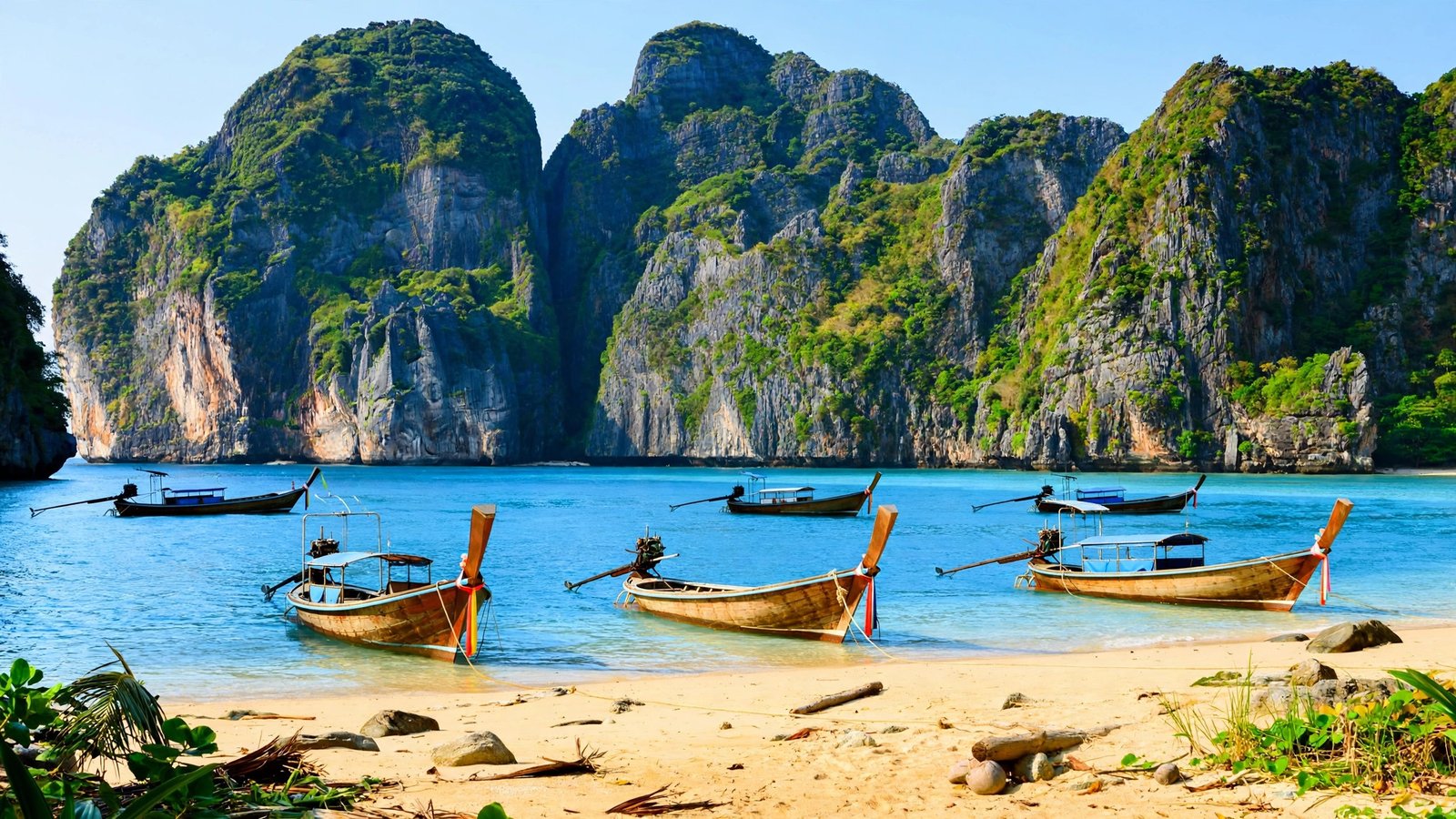
The thailand travel advisory, read in full rather than as a headline, spends much of its length on laws and local specifics that tourists genuinely need. Drug laws are at the top of that list: Thailand enforces severe penalties for possession of illegal drugs, and its cannabis rules have been revised repeatedly in recent years — liberalized, then tightened again — so the only safe approach is to check the current legal position before travel and assume strictness. Vaping products occupy a similarly hard line: importing and using e-cigarettes is prohibited and can bring fines and confiscation, a rule that surprises many arrivals.
Two cultural laws deserve the same respect. Thailand’s lèse-majesté law makes insulting the monarchy a serious criminal offense, and it is enforced — treat royal images, including on currency, with visible respect, and keep opinions on the subject out of public conversation. And ordinary offenses carry unfamiliar weight: littering fines in tourist zones, strict rules on drone registration, and harsh penalties for working without a permit (which includes things like busking or guiding other tourists) all appear in the advisory’s fine print. None of this is designed to trap tourists, but Thailand is a country where reading the rules page pays unusual dividends.
is bangkok safe
Is bangkok safe? Bangkok is a megacity of ten million-plus with a Level 1 country’s profile: pickpocketing and bag-snatching in crowded areas, taxi friction, and nightlife excess are the realistic issues; violent street crime against visitors is uncommon. The city’s tourist core — Sukhumvit, Silom, Siam, the riverside, and the old city around the Grand Palace — is busy, lit, and patrolled, with the SkyTrain and MRT providing air-conditioned order above the traffic.
Bangkok-specific intelligence:
- Taxis and tuk-tuks: insist on the meter in taxis; agree tuk-tuk prices in advance and understand that a suspiciously cheap “tour” price means commission stops at gem and tailor shops — the ride is the product being sold, and you are the commission.
- The “palace is closed” routine: a friendly stranger near a major attraction explains it is closed for a ceremony and offers an alternative tour. The attraction is open. Smile, walk to the gate, and buy your ticket there.
- Nightlife: Bangkok rewards the same rules as any great nightlife city, amplified by jet lag and heat — watch drinks being poured, keep your group’s location shared, and treat unusually friendly invitations to unmarked venues as the start of a bill dispute rather than a friendship.
- Scam density is highest exactly where you will be: the blocks around the Grand Palace, Khao San Road, and the main pier areas. Awareness, not avoidance, is the answer — these neighborhoods are also wonderful.
thailand tourist scams to watch out for
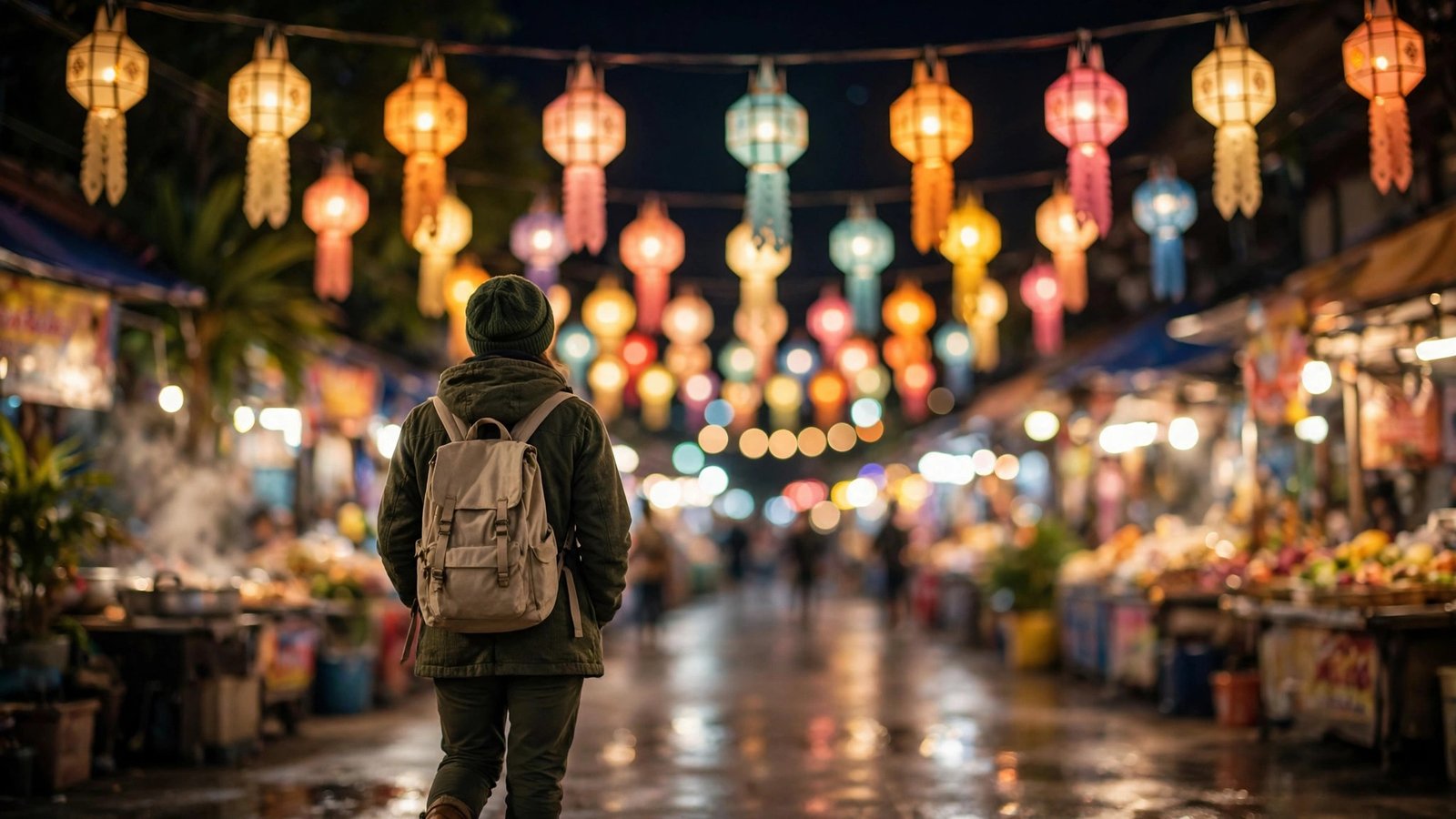
The canonical thailand tourist scams to watch out for have survived because they are well-engineered. Knowing their scripts in advance disables them:
- The jet-ski and vehicle-damage scam: a renter returns watercraft or a scooter and is accused of pre-existing damage, with intimidation applied. Defense: rent only from reputable, hotel-recommended operators, photograph everything, never surrender your passport as deposit.
- The gem scam: a multi-day confidence trick involving “government gem sales” and resale promises. There is no resale market waiting for you. Genuine Thai gems exist — buy them from established jewelers for their beauty, never as an investment pitched by a stranger.
- The tailor/tour detour: the too-cheap tuk-tuk tour that is actually a circuit of commission shops. Defense: pay a fair fare for direct transport and keep your itinerary your own.
- The bar-bill ambush: an inviting upstairs bar, drinks you did not order at prices you did not agree. Defense: established venues, visible price lists, and paying as you go in unfamiliar places.
- The double-pricing shrug: dual pricing for foreigners exists at some attractions and is simply a cost of the trip; knowing it is common keeps it from ruining a morning.
Pair the street-smarts with the connectivity to use them: translation apps and live maps are a traveler’s best friends in Thailand, and our guide to the best eSIM for Asia covers staying connected across the country — including why you should set it all up before you land.
Frequently asked questions
Is Thailand safe for solo female travelers?
Thailand is one of the world’s most popular solo-travel destinations for women, with dense traveler infrastructure and a service culture that makes solo movement easy. The standard judgments apply — care with nightlife drinks and new acquaintances, reputable transport at night, accommodation in well-reviewed areas — and the road rules apply to everyone equally. Travelers pairing Thailand with the region’s other Level 1 anchor can compare notes in our Japan safety guide, where the risk profile is different again — nature and norms rather than roads and scams.
Can I drink the tap water?
Visitors generally drink bottled or filtered water, which is cheap and ubiquitous; ice in restaurants and hotels is factory-made from purified water and is standard for locals and tourists alike.
What number do I call in an emergency?
Tourist Police: 1155 (English-capable and designed for visitors). General police: 191. Ambulance: 1669. Save your insurer’s assistance line as well — Bangkok’s private hospitals are excellent, and the bill is why you carry coverage.
Is it safe to visit during Songkran or Full Moon parties?
These are peak joy and peak chaos simultaneously. Songkran’s water festival is safe in spirit and hard on phones and passports — waterproof pouches solve it. The Full Moon Party rewards the standard festival discipline: stay with your group, watch your drink, arrange the boat and bed in advance, and respect the sea.
The bottom line: Thailand earns its Level 1 — a genuinely easy country to travel well. Its risks are not mysterious; they ride on two wheels, float in unmarked glasses, and wear the smile of a too-helpful stranger outside a palace that is, in fact, open. Handle those three, and Thailand is every bit as safe as its welcome is warm.
