
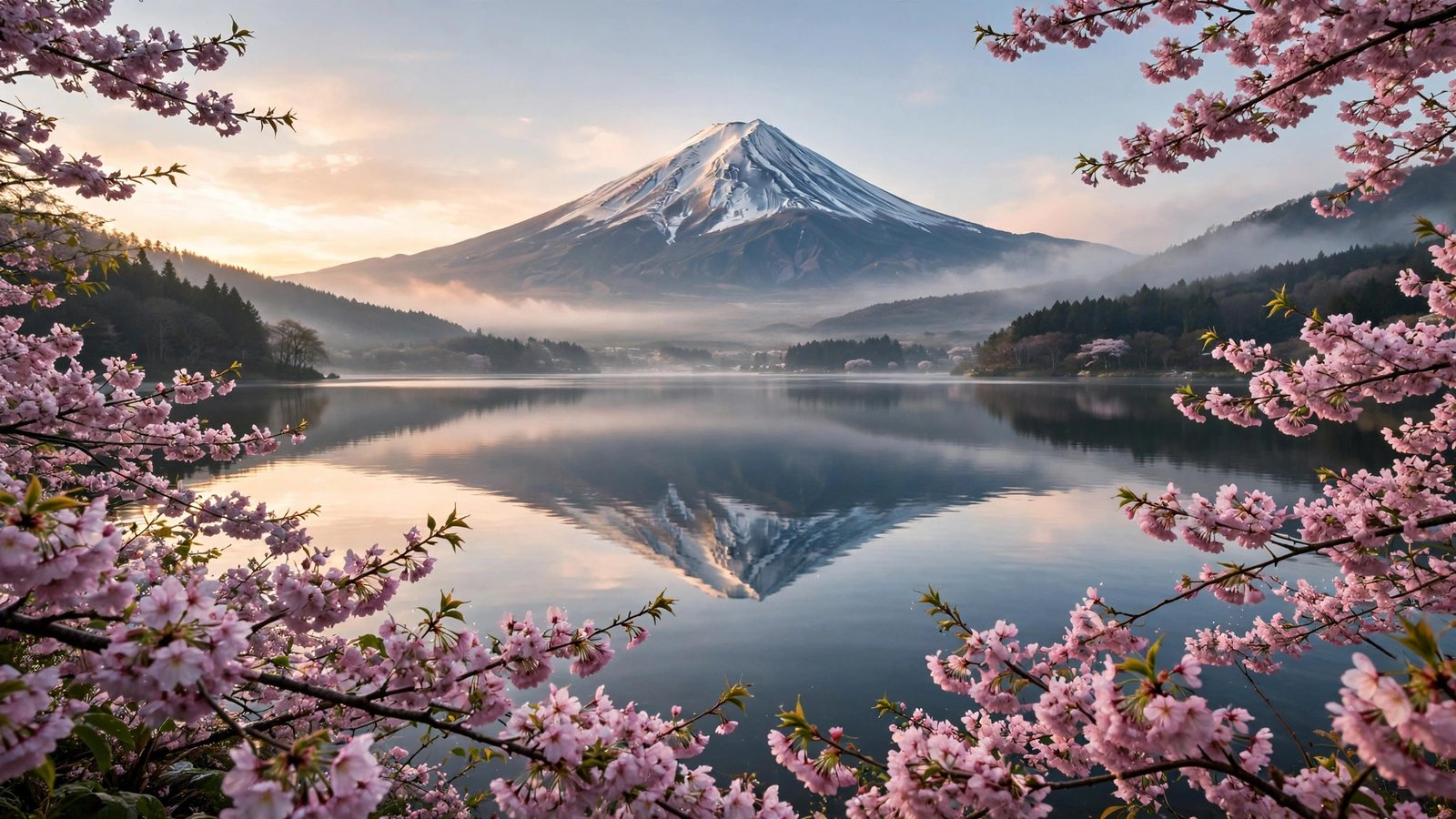
Is Japan safe for tourists? By any measure the world uses, Japan sits at the very top of the table: the US State Department rates it Level 1 — Exercise Normal Precautions — violent crime is rare, streets are safe at hours when other capitals empty out, and a wallet left on a train has a realistic chance of coming back to you with the cash still in it. And yet Japan has its own distinctive risk brief, unlike any other country in this series: the ground itself moves, typhoons arrive on schedule, a famous nightlife district runs a scam with real menace behind it, and your perfectly legal American medication can become a customs problem. This guide covers the Level 1 reality and the four things a prepared visitor actually needs to know.
japan safety for solo travelers
Japan safety for solo travelers is the country’s legend, and it is earned. Japan is routinely the first solo trip for travelers who would never attempt one elsewhere, and especially for women traveling alone — a demographic the country serves with an entire infrastructure: women-only train cars in major cities during rush hours, capsule and business hotels where solo guests are the norm rather than the exception, counter restaurants designed for one, and a social norm of leaving other people alone that solo travelers experience as pure oxygen.
The practical texture of that safety deserves stating, because it runs on systems rather than luck:
- Lost property works. Station and police-box (kōban) lost-and-found systems are famously effective; report losses early and in person, and the odds favor you in a way that startles first-timers.
- The kōban network is your help desk. Neighborhood police boxes staffed around the clock exist in every district of every city; officers handle directions, reports, and emergencies for visitors as a core part of the job.
- Cash is still king in small places, and carrying it is safe — Japan’s low street crime extends to the wallet full of yen. Cards and transit IC cards rule the cities.
- Solo dining and drinking are structurally normal. The only solo-travel risks worth naming are the universal ones — alcohol, fatigue, and the nightlife scam detailed below — because Japan’s baseline handles absolutely everything else.
Our broader guide to solo travel for women places Japan in its global context, and learning the courtesy layer of the language through our Japanese phrases for travelers costs fifteen minutes and repays it daily.
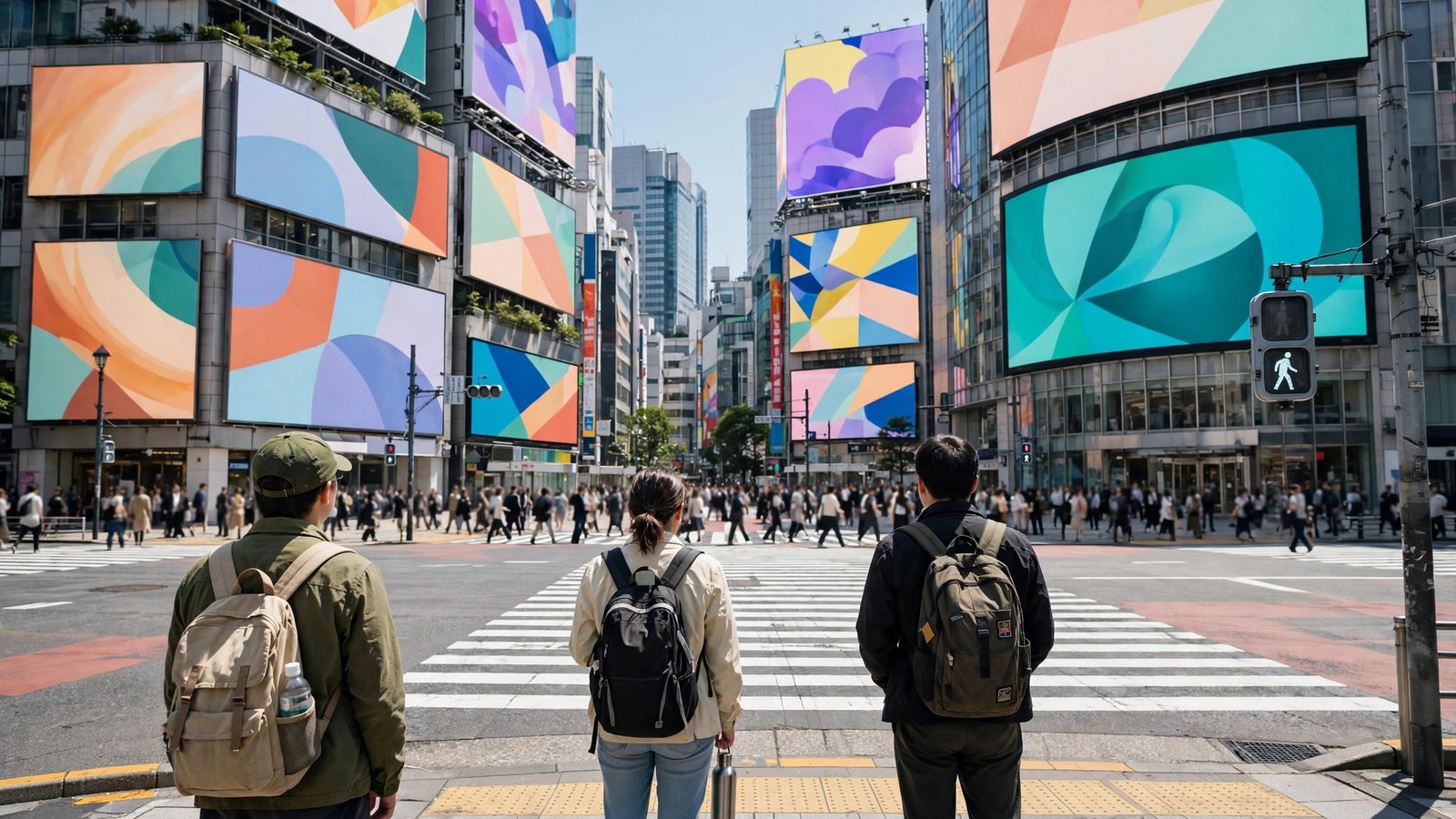
Earthquakes, tsunami and typhoons: the nature brief
Japan’s serious safety content is geological and meteorological, and it is manageable precisely because Japan manages it better than anywhere on earth. Earthquakes are a fact of the archipelago: small tremors are routine, and the preparedness culture — building codes, early-warning phone alerts, hotel evacuation information, public drills — is the global standard. The State Department’s Japan country information page points travelers to the Japan Meteorological Agency’s guidance, and the traveler’s part of the bargain is simple: know that alerts arrive on phones automatically, learn the drill (protect your head, away from glass, expect aftershocks), know your hotel’s evacuation point, and never treat a tsunami warning sign or siren on the coast as local color — move to high ground immediately, on foot, without waiting to confirm.
Typhoon season runs roughly June through October with the peak in late summer; storms disrupt flights and trains, flood low areas, and are forecast days ahead with typical Japanese thoroughness. The correct response is scheduling humility: build a buffer day into tight itineraries in season, follow your hotel and carrier instructions, and enjoy the national pastime of watching the radar like a sport. Summer adds a quieter hazard — heat and humidity severe enough that heatstroke is a leading cause of tourist medical visits in July and August. Water, shade, and pacing are medical advice in a Japanese summer, not comfort tips.
The nightlife scam: Kabukicho, Roppongi and the tout problem
Japan’s one crime pattern with real teeth for tourists is documented in the advisory itself, and it has a geography: the entertainment districts of Tokyo — Kabukicho in Shinjuku and Roppongi above all. Street touts, often working for specific bars, invite foreigners in for cheap drinks. Inside, the pattern runs: drinks arrive (sometimes spiked, per repeated embassy reporting, with victims waking with no memory of the night), a bill arrives in the hundreds or thousands of dollars, and card charges follow — sometimes several, disputed for months. The US Embassy has warned about this pattern for years, including cases of drink-spiking and credit-card fraud connected to establishments in these districts.
The defenses are simple because the pattern is legible:
- Never follow a tout. Any bar that needs a street recruiter with a laminated “special price” is the product to avoid. Good bars in Tokyo are found by research, recommendation, and signage — not recruitment.
- Agree prices where prices are posted, pay attention to cover charges (a legitimate system in many Japanese bars, always disclosed at reputable places), and prefer venues where you can see the menu before you sit.
- Watch your drink being made and keep it in hand, the universal rule that this district enforces with unusual consistency.
- If a bill dispute escalates, call the police — 110. Japanese police take these establishments seriously precisely because the pattern is known; the scam depends on victims paying quietly out of embarrassment and a departing flight.
Outside those few streets, Japanese nightlife — izakaya alleys, karaoke boxes, tiny Golden Gai bars — is among the world’s safest and most welcoming. The distinction is not nightlife versus no nightlife; it is your bar versus the tout’s bar.
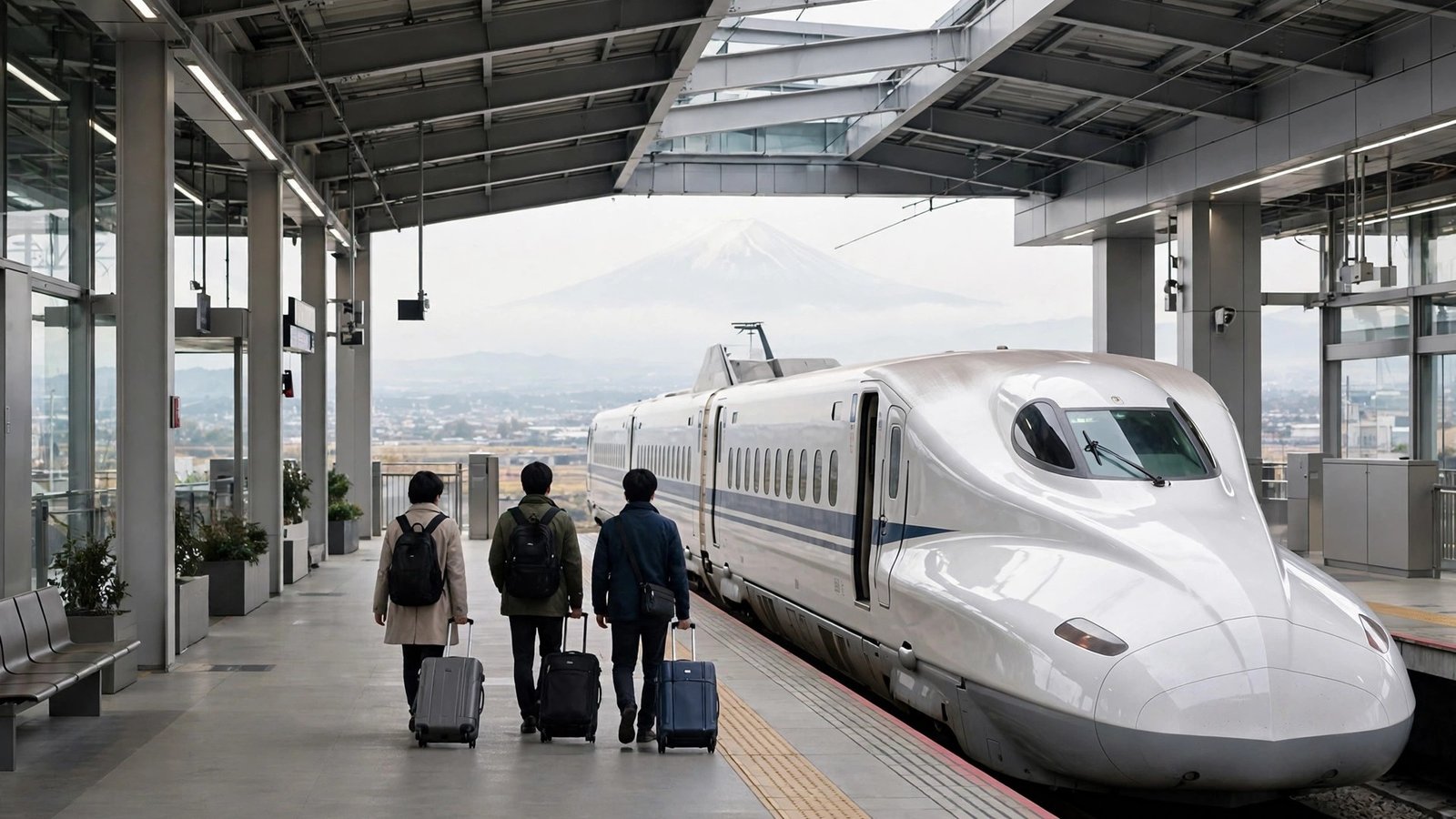
Medication, rules and the fine print that surprises people
The other advisory emphasis would catch many Americans out: Japan prohibits or restricts a list of medications that are ordinary in the US — including many stimulant ADHD medications and products containing pseudoephedrine, and it regulates even permitted prescription medicines above set quantities. The mechanism for traveling legally with medication is documentation: bring prescriptions in original packaging, carry your doctor’s letter, and where required, obtain the import certificate (the “Yunyu Kakunin-sho”) before departure. “It’s legal at home” is not a defense at Narita customs, and the embassy cannot argue it for you. Check your specific medication against Japan’s official lists well before you fly.
Smaller cultural rules carry legal or social weight worth an hour’s respect: drones require registration and are banned over dense areas; smoking rules are strict and location-based; tattoos still bar entry to some onsen and gyms (cover or choose tattoo-friendly facilities); and talking loudly on trains violates a norm so strong it functions like law. None of this is danger — it is the texture of a country whose safety is partly manufactured by mutual consideration, and the visitor who joins the system gets its full protection.
Is Japan safe for tourists day to day?
Strip away the headlines and the daily experience of safety in Japan is a series of small astonishments for visitors from less orderly countries. Children ride trains to school alone. Vending machines stand unguarded in rural lanes, stocked and lit through the night on the honor system. Umbrellas are left in racks outside shops and are there when you return. Bicycle baskets hold shopping in full view. Convenience stores — bright, staffed, open all night on every other corner — function as informal safety infrastructure across the whole country: a well-lit refuge, a helpful human, a phone charger and a map, in every neighborhood, at 3 a.m. as reliably as at noon.
Rural Japan extends the pattern rather than breaking it. The countryside is aging and quiet, crime is lower still than in the cities, and the visitor’s challenges are logistical — infrequent trains, early-closing kitchens, cash-only family restaurants — rather than protective. Mountain and coastal weather deserve more respect than any person you will meet: trail conditions in the Japan Alps and winter seas on the northern coasts are serious environments that reward the same check-the-forecast discipline as the typhoon brief above.
Two health notes complete the daily picture. Japan’s medical system is excellent and its private cost for visitors substantial — an ambulance ride is free, everything after it is billed — which is why ordinary travel insurance, unglamorous in a Level 1 country, remains the correct default. And in summer the heat discipline bears repeating: Japanese summers now regularly produce dangerous heat in the big cities themselves, and the travelers in the statistics are not hikers on remote peaks but sightseers who tried to do one more temple at noon in August. Shade, water, and the air-conditioned mercy of a museum are a safety strategy, not a softness.
Frequently asked questions
What number do I call in an emergency?
Police: 110. Ambulance and fire: 119. Operators may have limited English; hotels and kōban officers are the practical bridge, and the Japan National Tourism Organization runs a visitor hotline with English support.
Is Japan safe at night?
By global standards, remarkably — walking city neighborhoods late at night is a normal activity for residents and visitors alike. The exceptions are the tout districts discussed above and the universal physics of alcohol and fatigue.
Should I worry about earthquakes as a tourist?
Worry is the wrong verb; prepare is the right one. You will likely feel at most a mild tremor, and the systems around you — building engineering, phone alerts, trained staff — are the best on the planet. Read your hotel’s evacuation card, keep shoes and a phone light by the bed, and let Japan’s preparedness culture carry the anxiety for you.
Can I drink the tap water?
Yes — Japan’s tap water is safe and regulated to high standards everywhere in the country. It is one of the few countries in this entire series where the answer needs no asterisk at all.
How does Japan compare with Thailand for a first Asia trip?
Both are Level 1, with opposite risk textures — Thailand’s are roads and scams of familiarity, Japan’s are nature and norms. Our Thailand safety guide makes the comparison concrete. Many travelers find Japan the easiest first Asia trip and Thailand the easiest second; both flatter the visitor who arrives informed.
The bottom line: Japan at Level 1 is as safe as travel gets, and its homework is unusual rather than hard — respect the earth’s moods, refuse the tout’s invitation, pack your medication paperwork, and join the quiet systems that keep the country calm. Do those four things and Japan will feel — because it demonstrably is — like the safest place you have ever been a stranger in your traveling life.
