
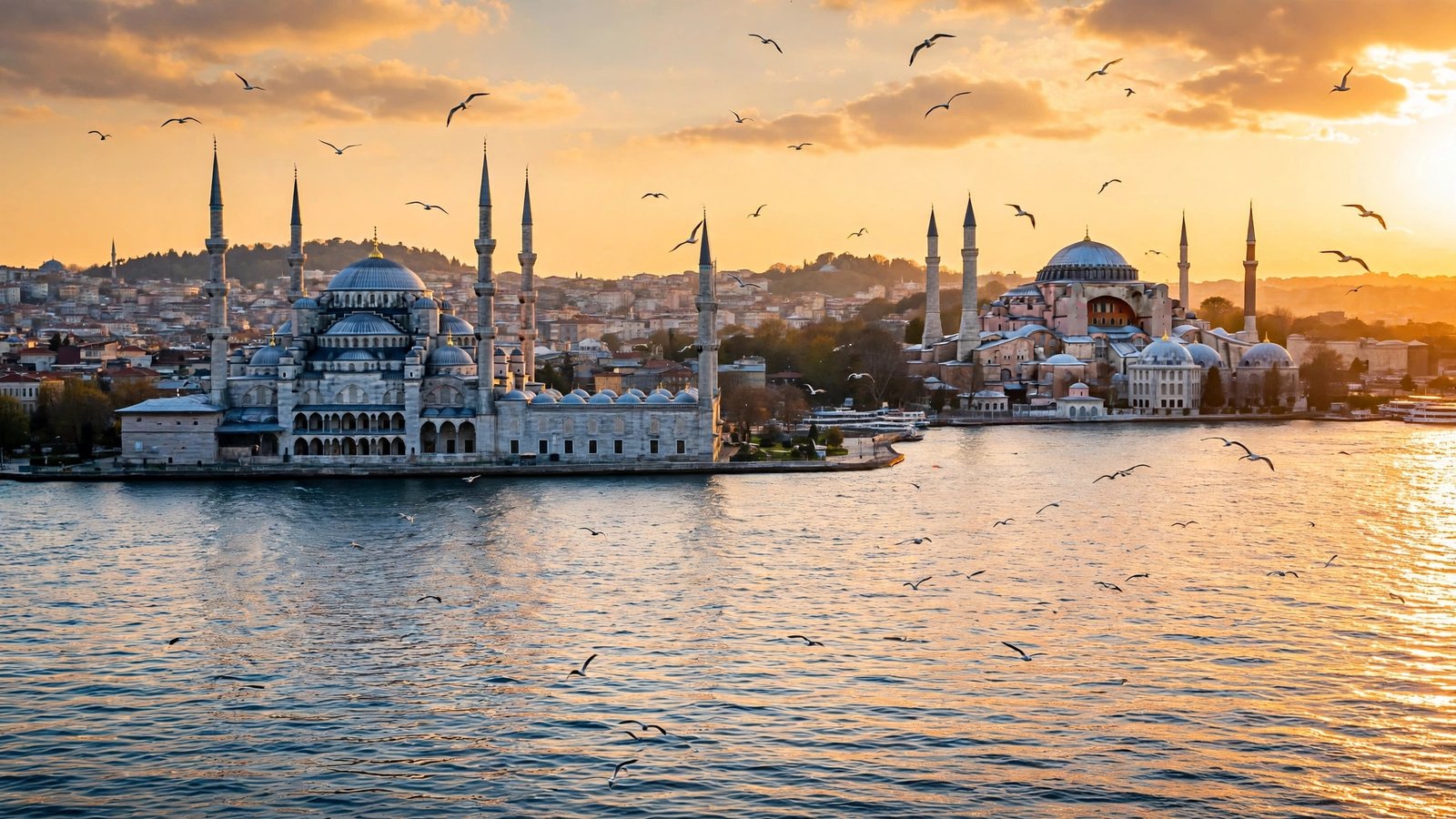
Turkey is two trips wearing one advisory. The first is the one nearly everyone takes: Istanbul’s mosques and bazaars, the turquoise coast’s resorts, Cappadocia’s balloons at dawn — one of the world’s great tourist circuits, visited by tens of millions of people a year and refined over decades of practice. The second is a strip of the far southeast along the Syrian and Iraqi borders that the US State Department rates Level 4, Do Not Travel. Is it safe to travel to turkey? The State Department’s overall answer is Level 2 — Exercise Increased Caution — with the border strip carved out at the maximum level. This guide keeps the two trips separate: where the rating comes from, how Istanbul and the resorts actually run, and the scams and street rules that define the realistic risk for visitors.
is it safe to travel to turkey right now
Is it safe to travel to turkey right now resolves, as so often in this series, into geography. The Level 4 zone is precise: the advisory says do not travel to areas within about ten kilometers (six miles) of Turkey’s borders with Syria and Iraq, due to terrorism and armed conflict. That strip sits hundreds of miles from every destination in this guide — roughly as far from Istanbul as Chicago is from New York — and the southeast more broadly has also carried the devastation of the February 2023 earthquakes, whose recovery zones around Hatay and Kahramanmaraş overlap the same corner of the map. Travelers have no tourism business there, and the advisory’s geography should be treated as a wall, not a gradient.
The Level 2 remainder reflects a background of terrorism risk that Turkey has managed for years — attacks in past years have targeted public and tourist spaces, and the state’s response is a visible security presence at airports, major sites, and transport hubs — plus the protest dimension: demonstrations occur, particularly in Istanbul and Ankara, they can be dispersed by police, and the advisory’s instruction is simply to stay away from them entirely. Read the current text on the State Department’s Turkey country information page before departure, enroll in STEP, and use our advisory levels explainer if the Level 2/Level 4 split needs decoding.
turkey safety tips for tourists
These turkey safety tips for tourists address the risks visitors actually meet, which are overwhelmingly commercial rather than violent:
- Istanbul’s classic scam is the friendly invitation. A charming stranger (or two) strikes up conversation near a major site, invites you for tea, then steers you to a bar where drinks arrive with a bill in the hundreds or thousands, backed by quiet intimidation. The defense is absolute: never follow new acquaintances to a venue of their choosing. Choose your own bar and the scam has no stage.
- Taxis run on apps now. Overcharging, scenic routes, and “broken” meters are Istanbul traditions; the BiTaksi app and hotel-dispatched cars retire them. For transit, the Istanbulkart and the tram/metro network are excellent, cheap, and honest.
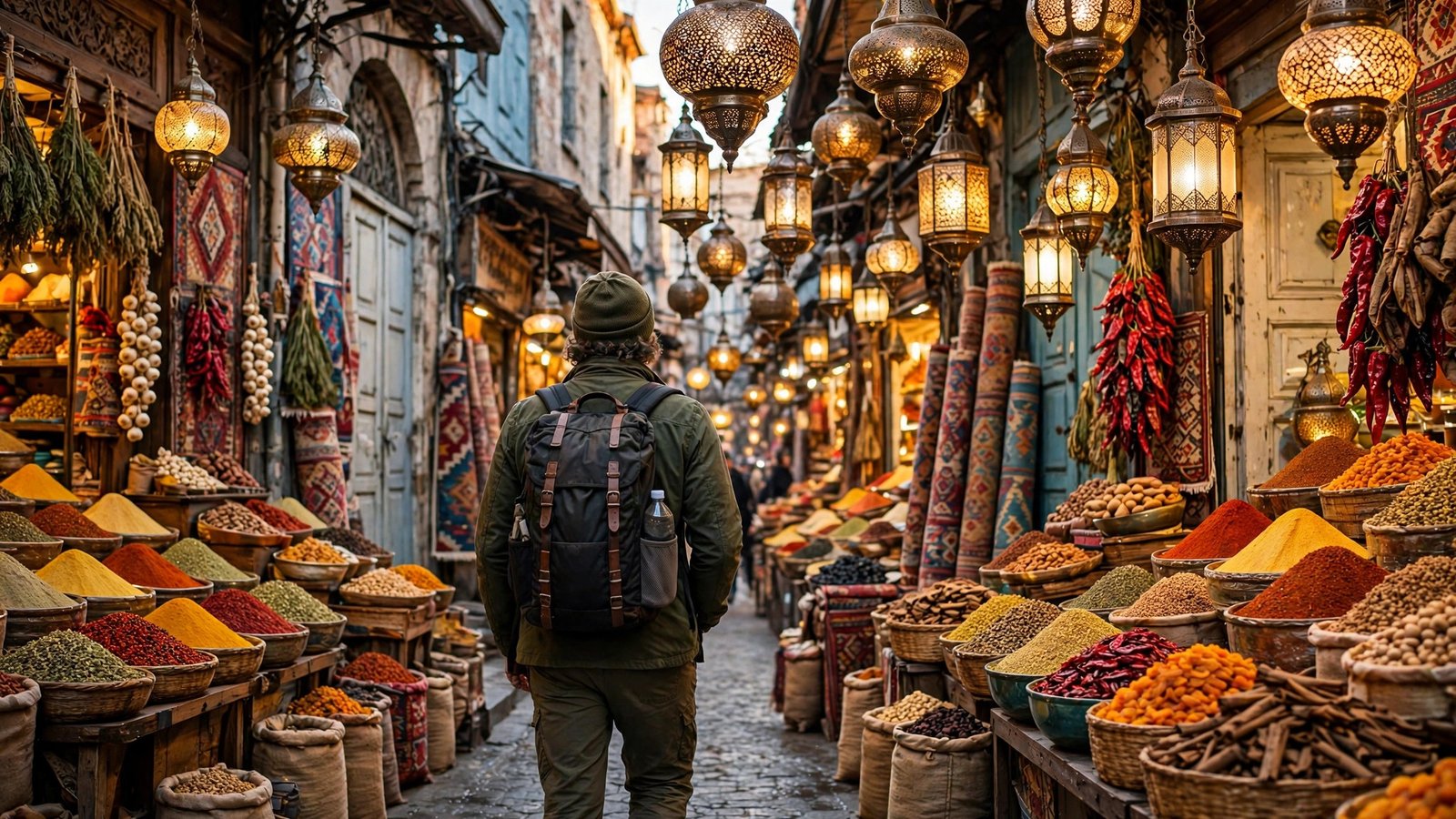
- The bazaar is a theater, not a threat. Haggling in the Grand Bazaar and Spice Market is expected and good-humored; agree prices before money moves, and treat carpet-shop tea as the beginning of a sales performance you are free to applaud and leave.
- Dress for the mosques. Headscarves for women (provided at major mosques), covered shoulders and knees for everyone, shoes off inside. The Blue Mosque and Hagia Sophia manage enormous visitor flows gracefully when visitors arrive prepared.
- Demonstrations: leave. If a crowd with banners forms anywhere near your route — Taksim is the classic gathering geography — walk the other way immediately. Being a bystander spectator is the risk; there is no tourist version of watching.
- One number rules emergencies: 112 now reaches police, ambulance, and fire across Turkey. The US Consulate General is in Istanbul and the embassy in Ankara.
Istanbul: the city as visitors actually experience it
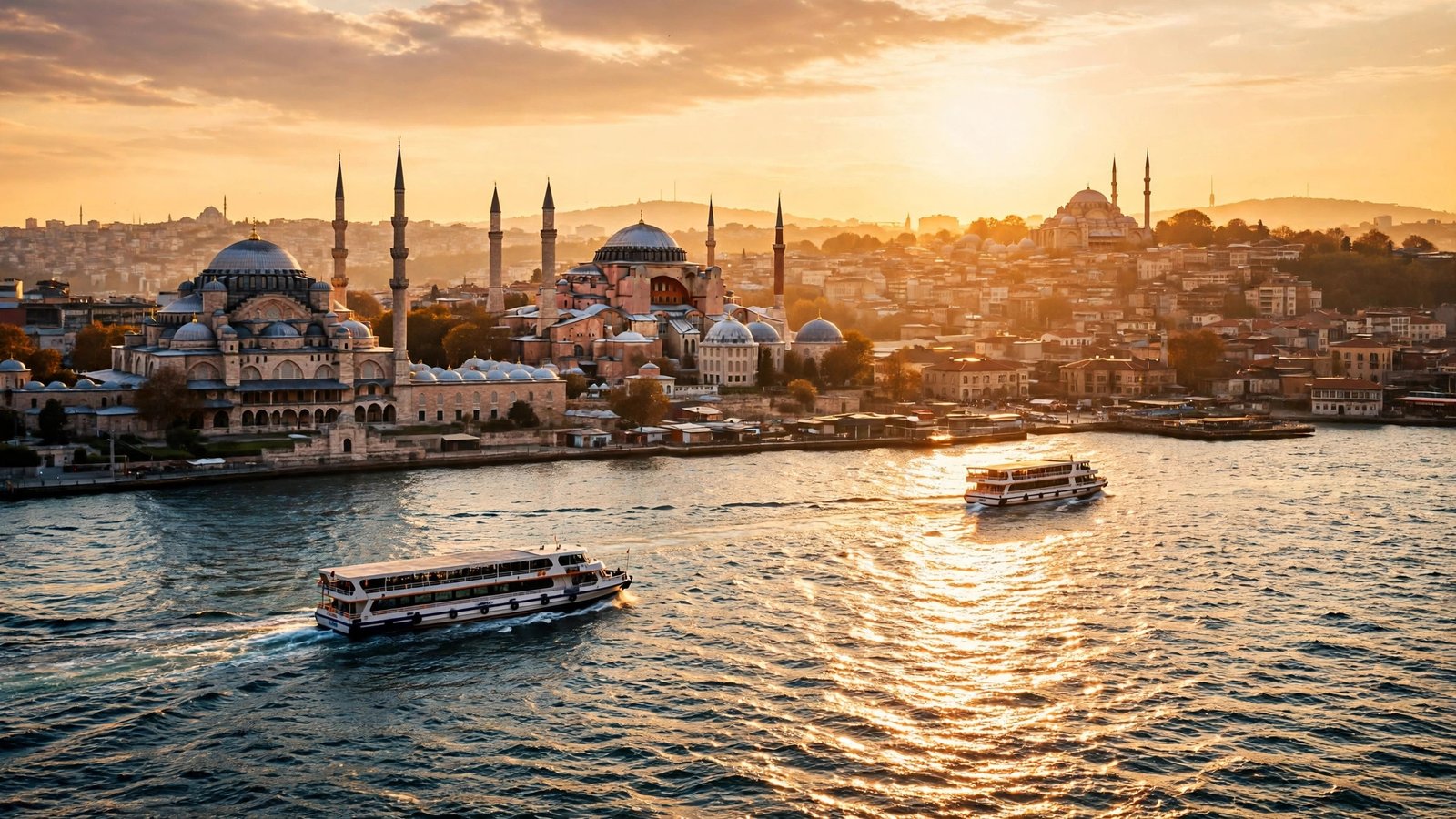
Istanbul’s visitor map is compact and ancient: Sultanahmet holds Hagia Sophia, the Blue Mosque, Topkapi Palace, and the Basilica Cistern within walking distance; the tram crosses the Golden Horn to Beyoğlu’s Istiklal Avenue and Galata Tower; ferries stitch the Asian shore into the itinerary. These districts are busy, heavily visited, and policed with the confidence of a city that has hosted tourists for two centuries. The realistic frictions are pickpocketing on crowded trams and around the bazaars, the invitation scam above, and traffic that defies all scheduling — build Istanbul days with slack in them, because the city will take it.
Nightlife concentrates in Beyoğlu and along the Bosphorus in districts like Beşiktaş and Kadıköy on the Asian side. The rules are the standing set: established venues, your own choice of bar, drinks in sight, and app taxis home. Istanbul rewards evening wandering in its busy districts as richly as any city in Europe; it asks only that strangers not choose your destination for you. Build in one more habit and the city gets easier still: learn the ferry timetable. The Bosphorus crossings are the cheapest scenic cruise in world travel, they dodge the traffic entirely, and a traveler moving by water between the European and Asian shores experiences Istanbul the way its own residents recommend — from the deck, at sunset, with tea in hand.
The coast, Cappadocia and the interior
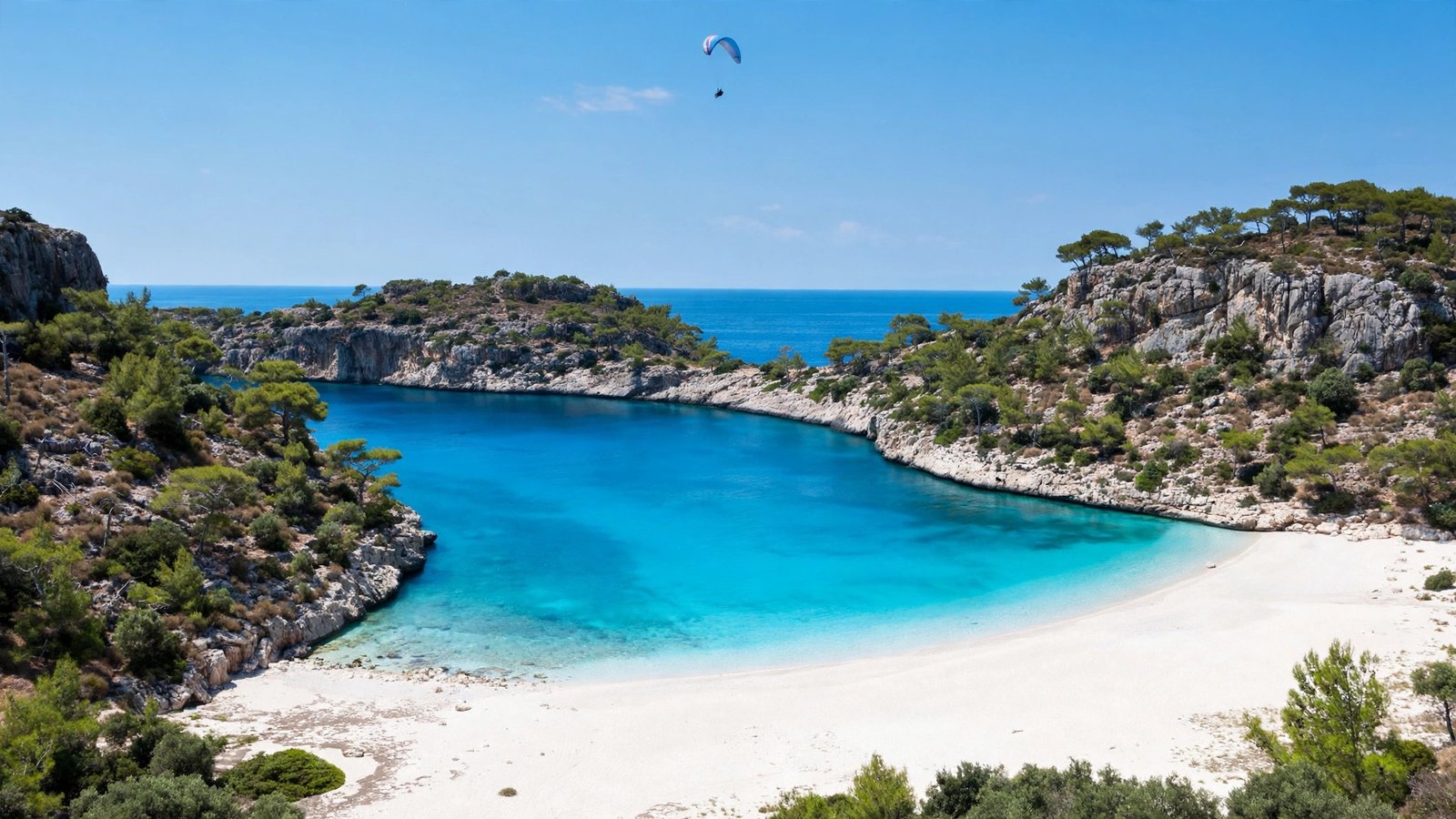
The Mediterranean and Aegean resort belt — Antalya, Bodrum, Marmaris, Fethiye, Çeşme — runs on international package-tourism rails: resort security, organized excursions, and populations of repeat European visitors in the millions. Its risks are the aquatic and alcoholic standards, plus excursion selection (jeep safaris and boat trips vary; book established operators). Gulet cruises along the Turquoise Coast are a signature pleasure and an operator-quality question like everywhere else.
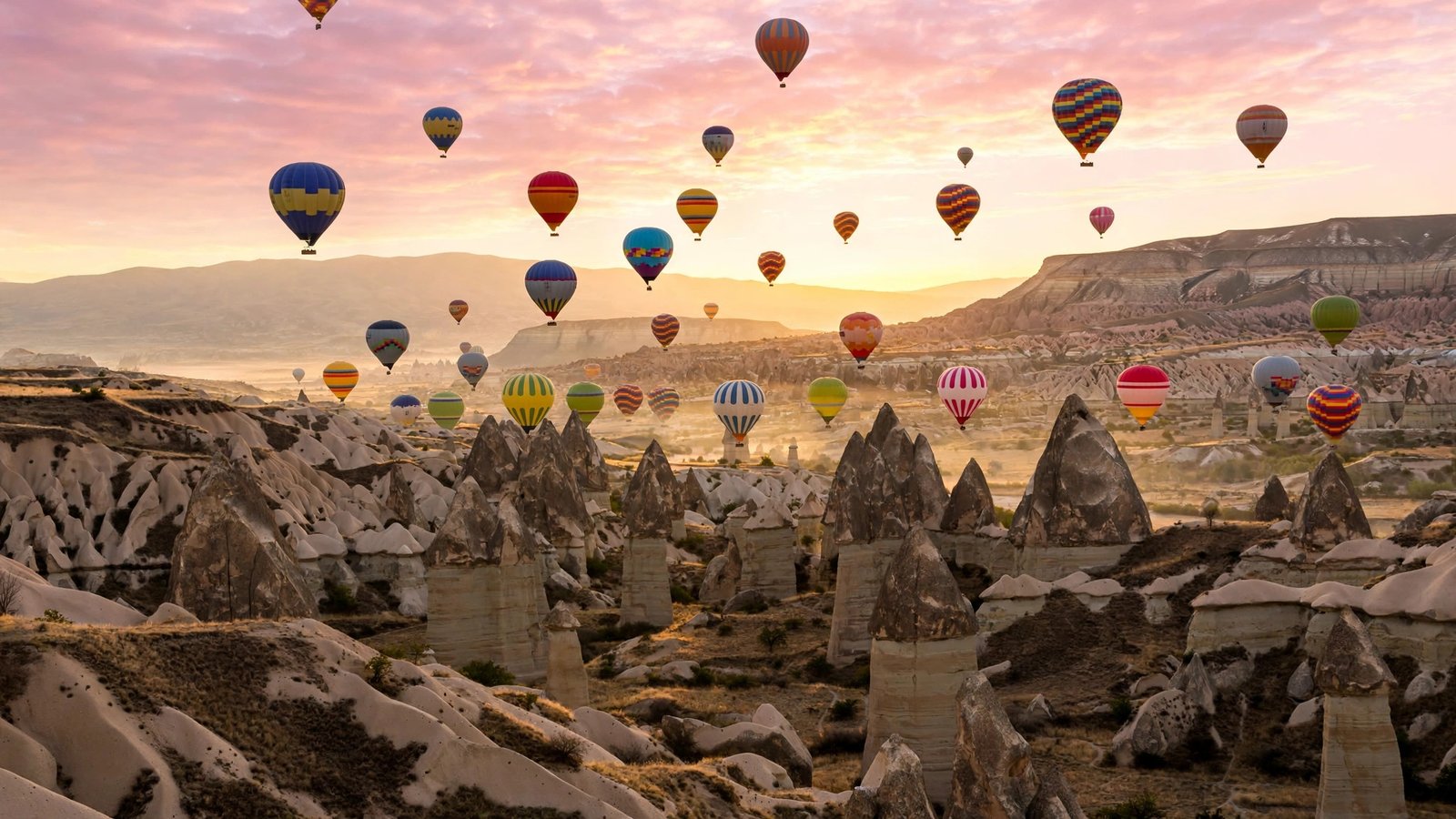
Cappadocia, in the central Anatolian interior, is the serene counterpoint: cave hotels, fairy chimneys, and a dawn sky full of balloons. Ballooning is regulated and weather-called conservatively — cancellations for wind are the system working, not failing — and the region’s towns (Göreme, Ürgüp) are small, calm, and built entirely around visitors. Ephesus, near the Aegean coast, and Pamukkale’s travertines round out the classic circuit, both managed World Heritage environments with heavy visitor infrastructure.
Getting between these regions is best done by Turkey’s excellent domestic flights and intercity buses; driving is feasible on modern highways for confident drivers, with the usual caveats about aggressive local pace and night distances. Connectivity across this circuit is effortless with the right data plan — our guide to the best eSIM for Europe covers Turkey’s in-between status in regional plans, which is worth checking because not every “Europe” plan includes it. And travelers combining Turkey with the Greek islands — a classic pairing by ferry — can read the companion analysis in our Greece safety guide.
Money, manners and the small print
Turkey’s tourist economy runs on a blend of card payments in cities and cash in bazaars, small towns, and taxis — carry Turkish lira in modest amounts, use ATMs attached to banks, and decline any offer to pay in dollars or euros at a “special rate,” which is a margin in someone else’s favor. Tipping is woven into service culture: round up taxis, leave small notes for hotel staff, and expect around ten percent in restaurants where service is not included. None of this is safety-critical; all of it smooths the human interactions that a trip is made of.
Manners carry unusual weight in Turkey, and the advisory’s cultural notes deserve their place in a safety guide. Dress modestly at mosques and in conservative districts. Ask before photographing people, and do not photograph military or police installations — that rule is enforced, not suggested. Political conversation about Turkey’s leadership, the military, and sensitive historical subjects is best listened to rather than led, particularly with strangers; insulting Turkish identity or state symbols is a legal offense, not merely a faux pas, and social media follows visitors home in both directions. During Ramadan, the tourist machine continues — Istanbul’s restaurant scene is lively at night — but eating and smoking discreetly in conservative public spaces during fasting hours is the courteous calibration.
None of these notes is onerous. Together they describe the posture that works across this entire guide series: arrive as a guest, learn the house rules in the first hour, and the country opens.
Frequently asked questions
Is Turkey safe for women traveling alone?
Turkey receives large numbers of solo women travelers, and the tourist circuit is accustomed to them. Modest dress in conservative neighborhoods and religious sites, care with the invitation pattern described above, and the usual nightlife discipline are the working rules; harassment, where it occurs, is typically verbal persistence best answered by ignoring and moving into busier space.
Can I drink the tap water?
In Istanbul and major cities the municipal water is treated, but most visitors and many locals drink bottled for taste and caution; outside major systems, bottled is the clear default.
What about earthquakes?
Turkey is seismically active, and the 2023 disaster in the southeast was catastrophic. The tourist circuit’s buildings are not exempt from physics; the practical steps are choosing modern, well-reviewed accommodation, knowing your hotel’s evacuation route on arrival, and understanding that the devastated southeast is outside the visitor map entirely.
Is it safe to visit during Ramadan or religious holidays?
Yes — Turkey remains fully functional for visitors, with restaurants in tourist areas operating and evenings in old Istanbul genuinely festive during Ramadan. Book domestic transport and hotels early around the major holiday periods, when Turkish families travel en masse.
How many days do I need for the classic circuit?
Istanbul alone justifies four or five unhurried days; add two or three for Cappadocia and two for Ephesus and Pamukkale, and the skeleton of the classic trip is ten days to two weeks. The coast can absorb whatever remains. Rushing Istanbul to squeeze everything in is the most common planning error — the city is the destination, not the gateway.
Are credit cards accepted, or is Turkey a cash country?
Both, by setting: cards in city businesses, hotels, and restaurants; cash for bazaars, small-town shops, dolmuş minibuses, and tips. Arrive with a card that does not charge foreign-transaction fees and a modest lira float, and the money side of the trip disappears as a concern.
The bottom line: Turkey at Level 2 is a great travel civilization asking for ordinary urban intelligence plus one hard rule — stay away from the southeastern border strip the advisory names. Istanbul, the coast, and Cappadocia deliver their famous pleasures to tens of millions of visitors who follow exactly that plan every year, and there is no reason your name should not be on that list.
