Colombia is the hardest safety conversation in this series, because the country’s transformation is real and so is its warning label. Both deserve more than a slogan: they deserve a map, a calendar, and a set of habits — which is what this guide is for, city by city and risk by risk. The US State Department rates Colombia Level 3 — Reconsider Travel — citing crime, terrorism, civil unrest, and kidnapping.
At the same time, Colombia receives record numbers of international visitors, its great cities have reinvented themselves in full view of the world, and the tourist circuit — Bogotá, Medellín, Cartagena — is traveled safely by millions, including a vast remote-work population that lives there for months at a time. Both descriptions are accurate; they describe different Colombias, separated by geography and by behavior. Is it safe to travel to colombia? This guide maps the separation: the no-go zones the advisory names, the three cities tourists actually visit, and the specific patterns — drugging, dating-app robberies, rural wandering — that account for most serious tourist harm.
is it safe to travel to colombia right now
Is it safe to travel to colombia right now starts with the advisory’s hard geography. The Level 3 rating covers the country as a whole, and inside it the State Department names Level 4 — Do Not Travel — areas: the departments of Arauca, Cauca (except its capital, Popayán), and Norte de Santander, plus the Colombia–Venezuela border region generally, driven by crime, kidnapping, conflict between armed groups, and the risk of detention at the border itself. These are not tourist destinations and no itinerary should touch them.
The engine behind the rating is Colombia’s unfinished conflict map: ELN guerrillas, FARC dissident factions, and the Clan del Golfo contest rural territory, run coca and illegal-mining economies, and periodically produce the terrorism and civil-unrest incidents the advisory cites — overwhelmingly in the countryside and contested departments, not in the metropolitan tourist zones. Demonstrations also occur in the big cities; the standing advice is to avoid protest areas entirely, since Colombian demonstrations can turn confrontational and road blockades can strand travelers.
The operational conclusion for tourists is sharp: Colombia’s risk is exceptionally concentrated — in named rural regions you will not visit, and in specific urban behaviors you can refuse. Read the full current text on the State Department’s Colombia country information page, enroll in STEP, and plan the trip city-first, as the next sections do. Our advisory levels explainer puts Level 3 in context against the other ratings in this series.
colombia safety by city
Colombia safety by city is the only level of analysis worth trusting, because the three great destinations run on different risk profiles entirely.
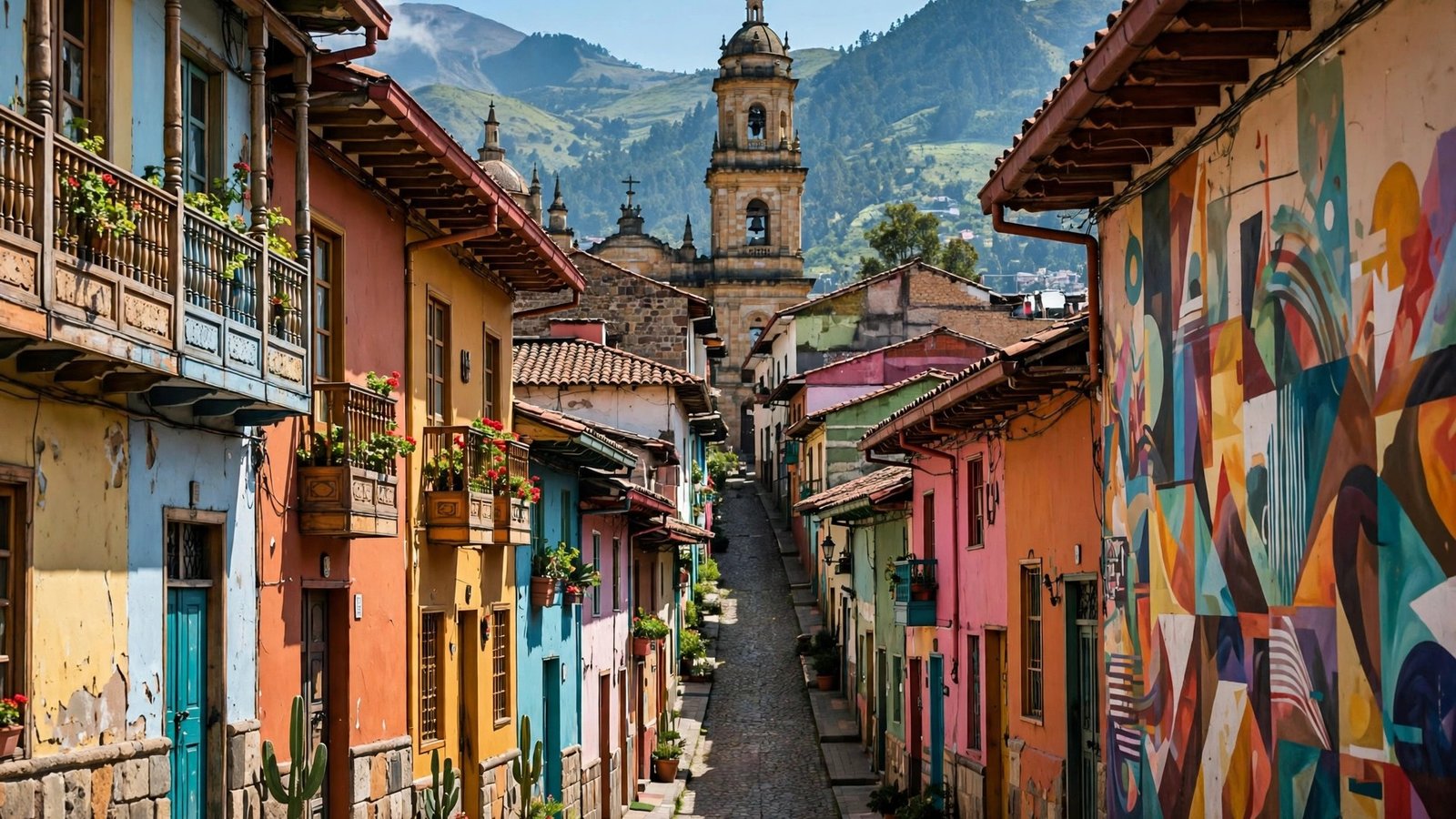
Bogotá is a capital-city proposition: eight million people, altitude, and the classic metropolitan threats handled with classic defenses. The visitor map is well-defined — La Candelaria’s colonial core and museums by day (with awareness after dark), the northern districts of Chicó, Zona Rosa, and Usaquén for dining and nightlife, Chapinero between them. Pickpocketing and phone-snatching are the everyday risks; the darker pattern the embassy warns about is drink and food drugging — scopolamine, locally feared as burundanga — used to incapacitate and rob victims, which is why Bogotá nightlife runs on the iron rule of never accepting food, drinks, cigarettes, or gum from strangers and never leaving your drink unwatched.
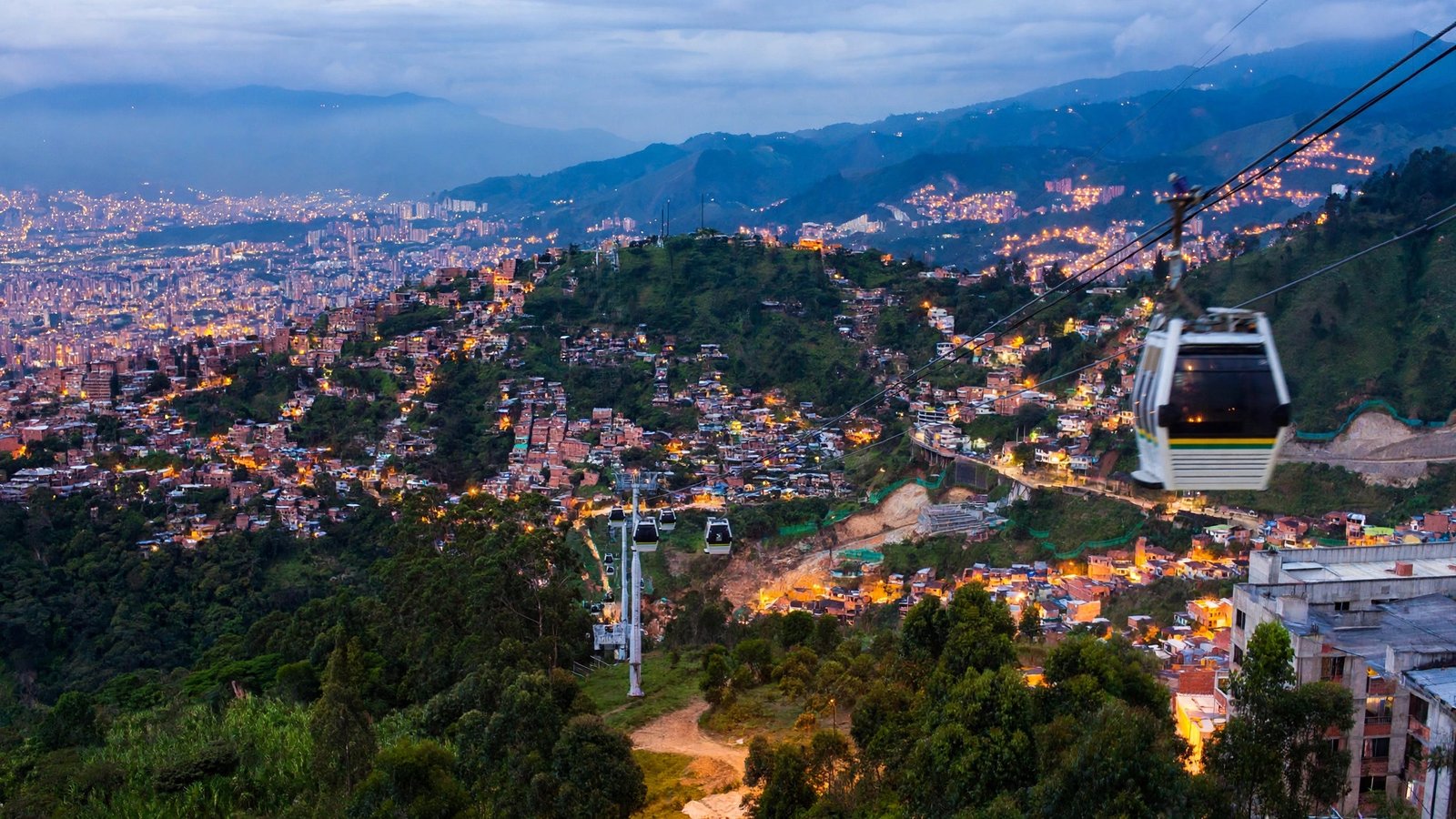
Medellín is the transformation story and the cautionary tale in the same sentence. The city’s renaissance is genuine — El Poblado and Laureles are leafy, café-filled, and full of foreigners living well — and the US Embassy has repeatedly and specifically warned of robberies of foreign visitors arranged through online dating apps and social media, in which victims are drugged in bars, homes, or hotels and stripped of everything, with some cases ending in death.
The guidance is unambiguous and this guide repeats it in spirit: meeting strangers from apps in Medellín carries a documented, elevated risk; meet only in public, in daylight, tell someone where you are, never bring a new acquaintance to your lodging, and treat your drink as your property at all times. Medellín rewards the traveler enormously — and it is the one city in this guide where we name a specific social pattern as the headline risk.
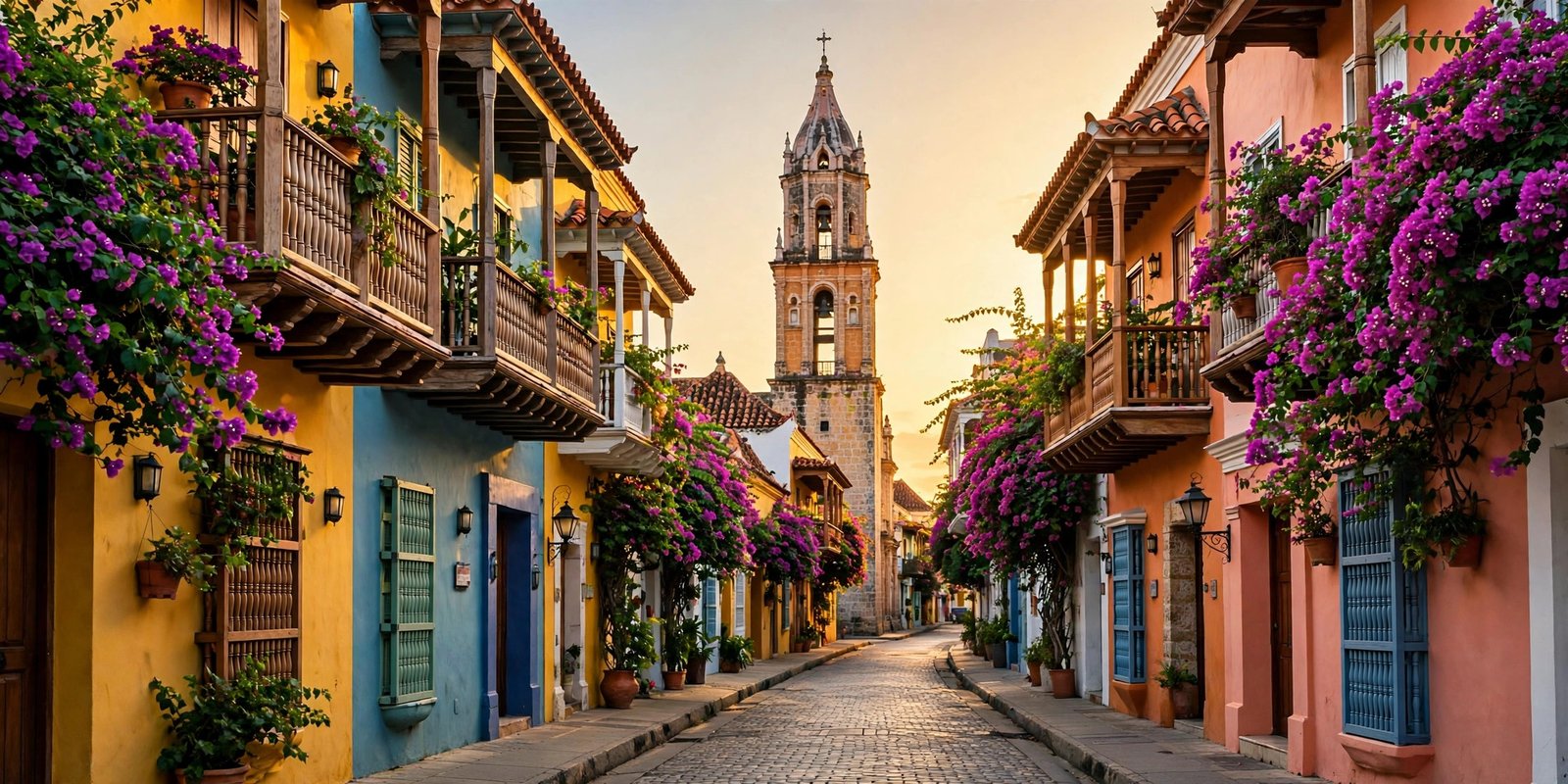
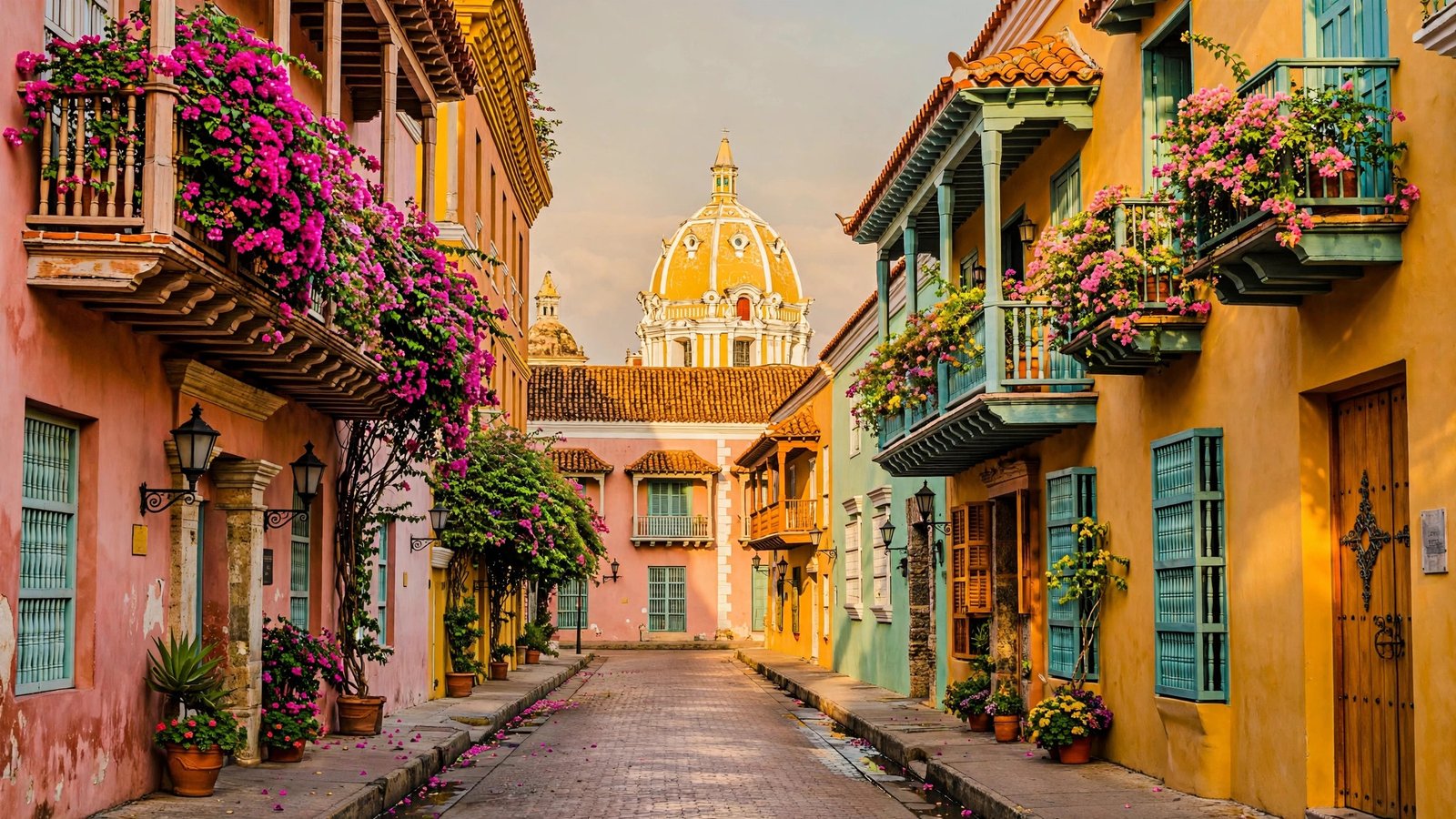
Cartagena is the bubble: the walled Old Town and Getsemaní form one of the Caribbean’s most polished tourist environments, heavily patrolled and walked by crowds until late. Its frictions are commercial — persistent beach and street vendors, inflated first prices, the palenquera photo that becomes a fee — rather than violent, though the same drink-awareness rules apply in its nightlife, and the modern Bocagrande hotel strip runs on resort logic. Excursions to the Rosario Islands should be booked with established operators, and the boat ride back before dark.
Getting around, money, and the rural question
Between cities, fly. Colombia’s geography — three Andean cordilleras — makes intercity roads slow and mountainous, domestic flights cheap and frequent, and the arithmetic obvious: the plane is faster, competitively priced, and keeps you out of rural territory entirely. Within cities, use app-based rides (Uber and DiDi operate, in a legal gray zone that in practice functions normally) or hotel-dispatched taxis; do not hail taxis off the street in Bogotá or Medellín, a rule the embassy itself emphasizes because of robbery and drugging incidents in unmarked or intercepted cabs.
Money discipline is the standard Level 3 set: cards in established businesses, ATMs inside banks and malls in daylight, modest visible cash, and a phone treated as the valuable it is — phone-snatching by motorcycle pairs is a documented Bogotá and Medellín pattern, so check messages against a wall, not at a curb. Emergency help runs through the national 123 line, and medical care in the big cities is genuinely good — one more reason our international travel insurance guidance for Level 3 trips stresses strong medical and evacuation coverage: the realistic worst day in Colombia is a hospital bill, not a headline.
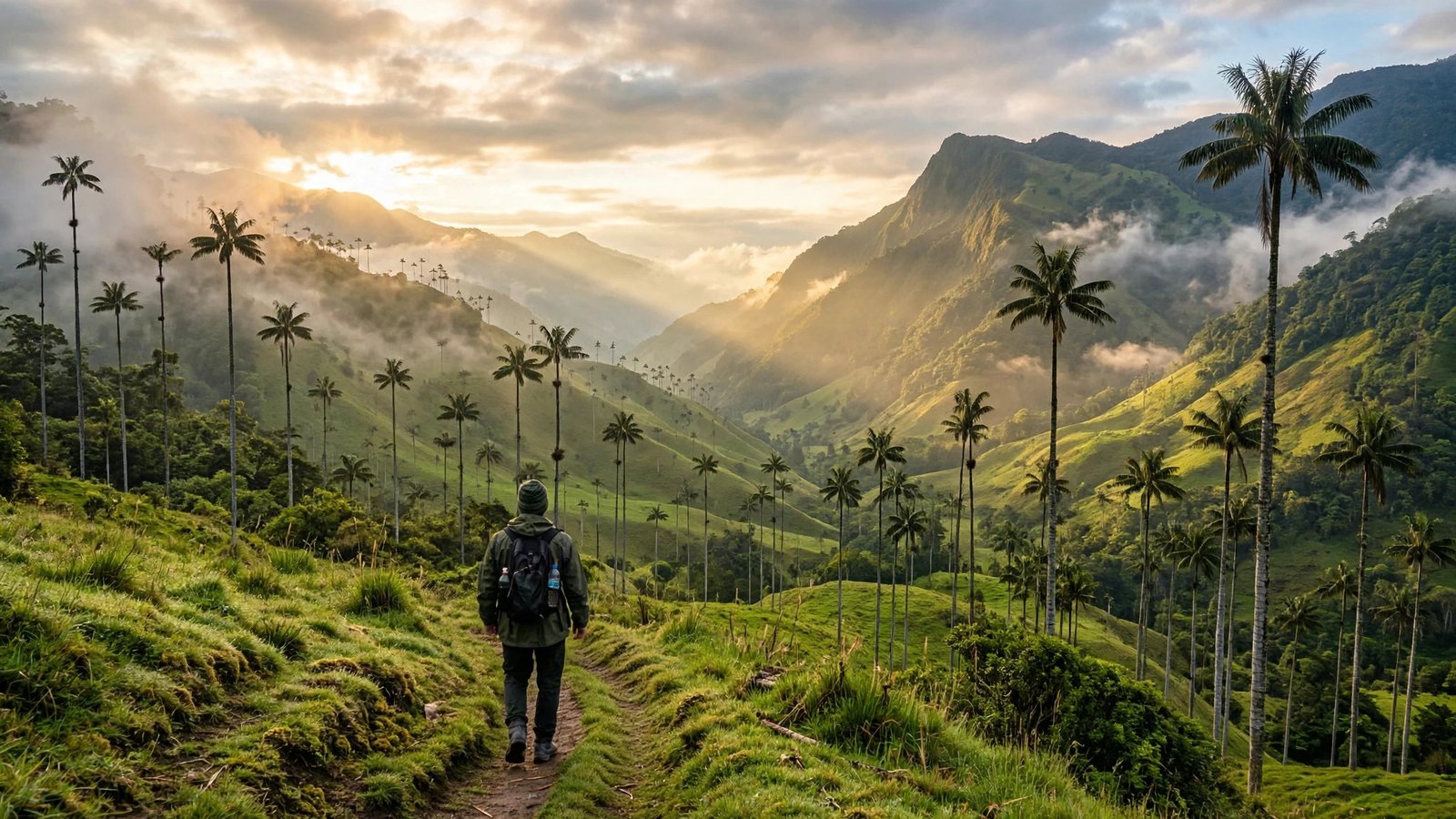
The rural question deserves one honest paragraph. Colombia’s countryside contains wonders — the coffee region around Salento and the Cocora valley, Tayrona’s Caribbean jungles near Santa Marta, Villa de Leyva’s colonial calm — and mainstream rural tourism to established destinations on main routes is a normal, well-traveled activity. What the advisory forbids is the improvisation: unlisted regions, border zones, coca-country departments, and night movement on intercity roads. Rural Colombia rewards the traveler who goes to the famous places on the standard paths and punishes the one collecting blank spots on the conflict map. If a destination’s name does not appear in mainstream travel coverage, that silence is information.
The Colombia checklist: before and during
Distilled from the advisory and from how long-term visitors actually live in Colombia:
- Fly between cities; keep intercity road travel to famous routes in daylight
- Use app-based rides or hotel taxis; never hail street taxis in Bogotá or Medellín
- Keep your phone pocketed at curbs and in crowds; snatching is a practiced local art
- Nothing eaten, drunk, or smoked from strangers — the scopolamine rule has no exceptions
- Dating apps in Medellín: public, daylight, announced to a friend, never at your lodging
- ATMs inside banks and malls, in daylight; cards for major purchases
- Avoid all demonstrations and road blockades; reroute rather than argue
- Stay out of the named Level 4 departments and the Venezuelan border region entirely
- Photograph your documents, enroll in STEP, and save the 123 emergency number
Frequently asked questions
Is Colombia safe for solo travelers and digital nomads?
Thousands live the experiment successfully, concentrated in Medellín’s and Bogotá’s established expat districts. Their collective wisdom matches this guide: base in the known neighborhoods, master the transport rules, and take the dating-app warning in Medellín as seriously as the embassy issues it.
What is scopolamine, and how do I avoid it?
A powerful incapacitating drug, typically slipped into food, drink, cigarettes, or blown/sprayed in powder form in robbery setups. The defenses are total and simple: nothing consumed from strangers, drinks never unattended, new acquaintances kept in public places, and immediate suspicion of anyone unusually insistent on offering you something to eat, drink, or smoke.
Is Cartagena safe to walk at night?
Inside the walled city and Getsemaní’s busy core, walking among the evening crowds is the normal pleasure of the place. The discipline is at the edges — dark, empty streets beyond the walls — and in the usual nightlife rules about drinks and new friends.
What should I do in an emergency?
Call 123, the national emergency line, which dispatches police, fire, and ambulance across the country. For anything short of an emergency, your hotel’s front desk is the most effective first call in Colombia — staff handle police reports, doctors, and translators daily — followed by your insurer’s assistance line and, for US citizens, the embassy in Bogotá or the consular agency in Cartagena.
How does Colombia compare with Mexico for safety?
The mechanics differ: Mexico’s advisory is state-by-state around a Level 2 resort belt, while Colombia’s Level 3 covers the country with Level 4 exceptions — our Mexico region-by-region guide shows the contrast. In practice both trips run on the same fuel: famous destinations, standard paths, and refusal of a short list of dangerous behaviors.
When is the best time to visit for a first trip?
Colombia’s big cities are year-round destinations at altitude, with Bogotá cool in every month and Medellín famously springlike. Cartagena and the Caribbean coast are driest roughly from December through April. For a first trip, pairing the dry Caribbean season with the cities gives you the classic circuit at its easiest — and the crowds at their thickest around Christmas and Easter week, when Colombians themselves travel, so book the domestic flights early.
Do I need Spanish?
In the resort and expat circuits, English carries you. Everywhere else, Colombia is one of the most Spanish-forward destinations in the Americas, and a small vocabulary changes the trip’s texture entirely — taxi directions, market conversations, and the goodwill that visible effort buys in every country on earth.
The bottom line: Colombia at Level 3 is neither the danger zone of its past nor the carefree bargain of its brochures. It is a country whose tourist circuit works beautifully inside its boundaries — three great cities, famous rural destinations, main routes, daylight — and whose risks wait precisely outside them. Travel the Colombia that millions travel, refuse the specific patterns the embassy names, and the transformation story becomes your trip too. Few destinations on earth repay informed confidence as generously as this one does.