
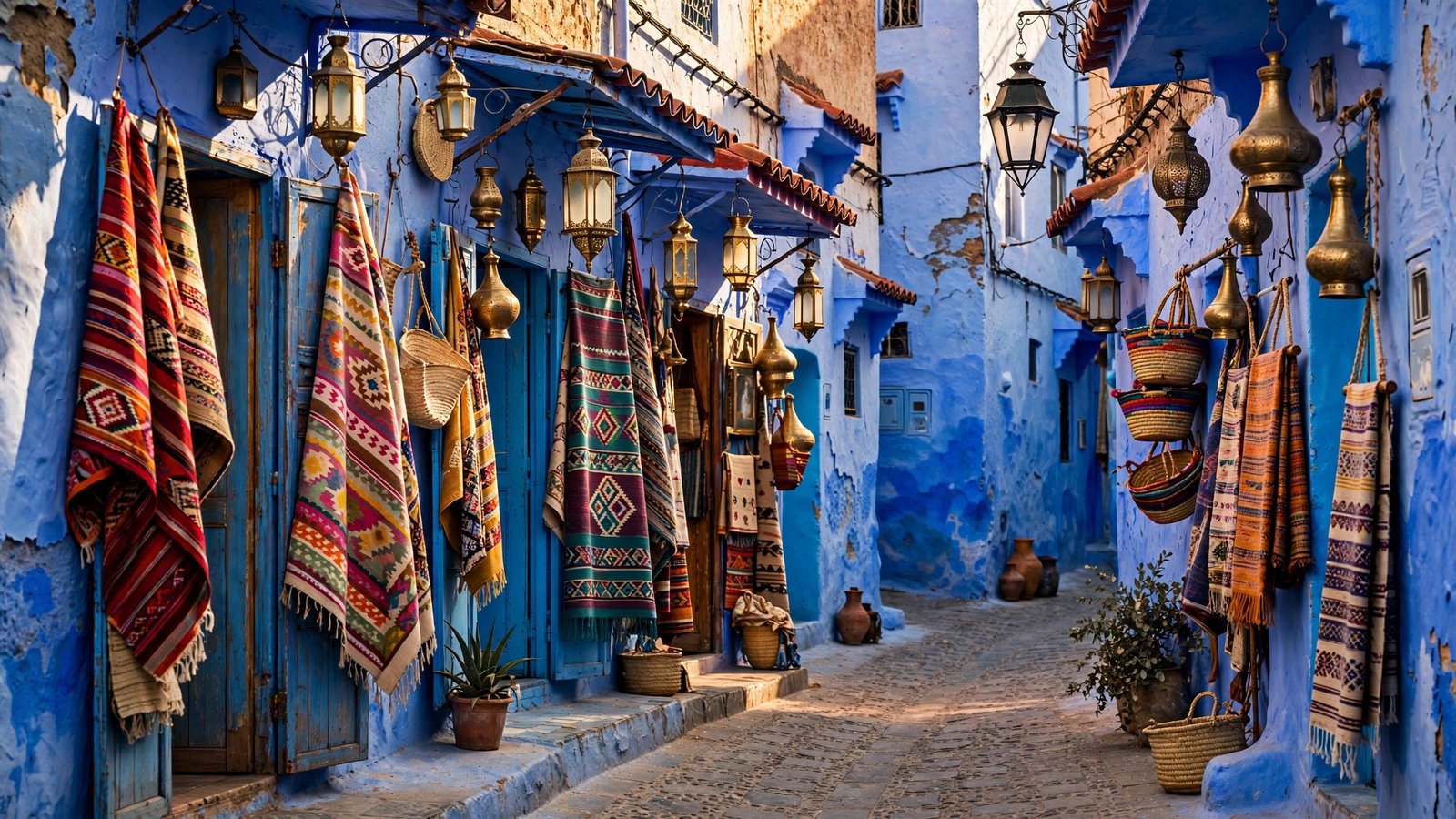
Morocco is one of the great travel experiences — medieval medinas, Atlas Mountain passes, Sahara dunes and food worth crossing an ocean for. If you are asking “is Morocco safe to travel to” before booking, you are asking the right question, and the balanced answer is this: Morocco is a well-trodden, generally safe destination for tourists, and the US State Department rates it Level 2, “Exercise Increased Caution” — the same tier as France, Italy, Spain and the United Kingdom.
Level 2 in Morocco is mainly a terrorism-awareness rating, not a reflection of everyday street danger. The realistic hassles of a Morocco trip are different: persistent touts, medina scams, hard bargaining and, for women, unwanted attention. This guide separates the official picture from the on-the-ground one, the same approach we take in our guide to whether is Bali safe to travel to.
Is Morocco Safe to Travel To? The Honest Picture
Start with the official baseline. The State Department’s Morocco advisory asks travelers to exercise increased caution due to terrorism, noting that extremist groups continue to signal intent to target soft venues in many countries — Morocco’s rating mirrors much of Western Europe for the same reason. You can read the current advisory and country information on the State Department’s Morocco country information page, and it is worth re-checking close to departure because ratings are reviewed and refreshed.
On the ground, the picture most visitors report is this: violent crime against tourists is uncommon, Morocco’s tourist police are a visible presence in the main medinas and resort areas, and the country’s tourism infrastructure — riads, licensed guides, a good intercity train network — is mature. Millions of visitors, including large numbers of Americans, travel there every year without incident.
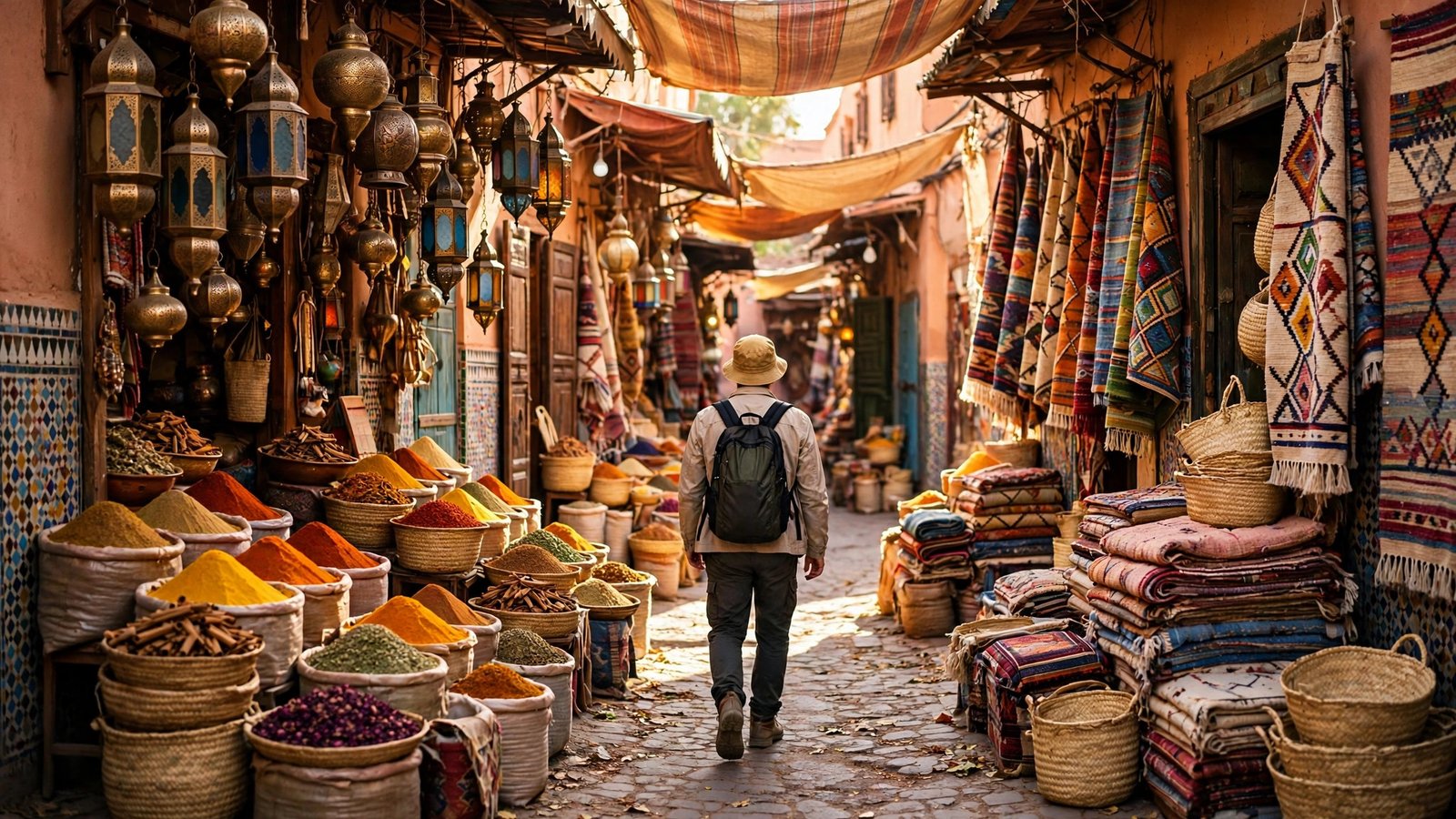
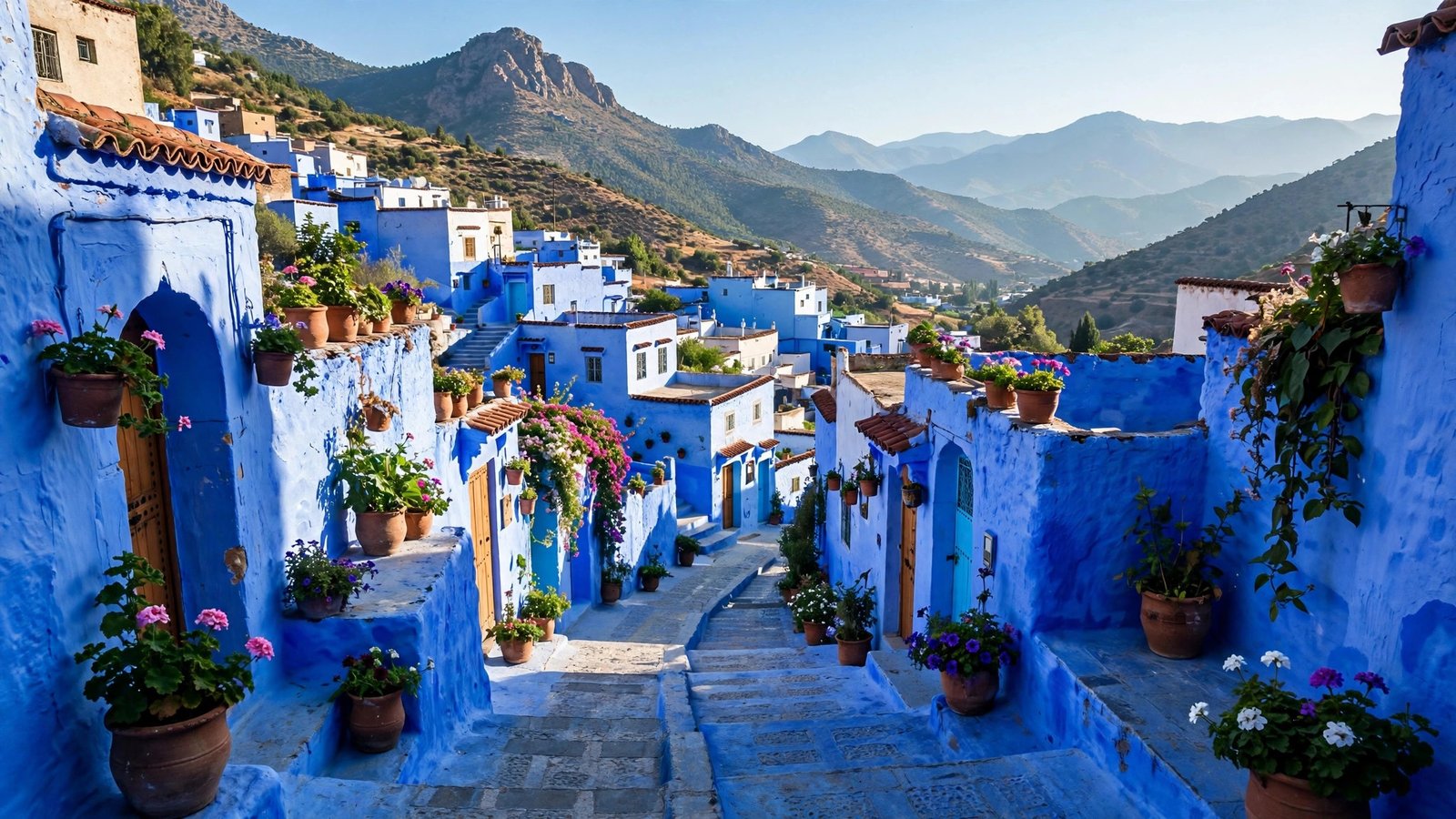
The friction is commercial, not criminal, and it concentrates in a few famous places: the medinas of Fes and Marrakech, the square of Jemaa el-Fnaa at night, and the blue streets of Chefchaouen. Knowing the standard plays in advance converts most of them from stressful moments into mildly comic ones.
Where you sleep also matters more than in most countries. Staying in a medina riad puts hosts between you and the street: the staff will arrange trustworthy drivers, walk you to the riad the first time through the alley maze, and tell you honestly which nearby “guides” and shops to avoid. That local filter is worth as much as any safety gadget you could pack, and it is a large part of why even first-time visitors usually settle into Morocco within a day or two.
Morocco Travel Safety Tips
These habits handle the overwhelming majority of what travelers actually encounter in Morocco:
- Agree the price before anything starts. Taxi fare, guide service, henna photo, mint tea on a terrace — if money will change hands, settle the number first, calmly and with a smile.
- Use the taxi meter (“compteur”). For petit taxis in cities, asking for the meter is normal and expected; if a driver refuses, take the next cab.
- Book guides through your riad or the official channels. Licensed guides carry ID. The “guide” who adopts you in the medina is running a commission route through carpet and leather shops.
- Keep small bills handy. Paying a 15-dirham fare with a 200-dirham note invites the “no change” routine.
- Say “la, shukran” (no, thank you) and keep walking. Persistence beats politeness: a firm, friendly refusal plus forward motion ends most pitches.
- Dress a notch more conservatively than at home, especially away from resorts and in smaller towns — shoulders and knees covered earns noticeably less attention and more warmth.
- Photograph people only with permission. Some Moroccans object for personal or religious reasons; street performers and snake charmers expect a tip for photos.
- Save the emergency numbers: police 19 in cities (177 for the Royal Gendarmerie outside them), ambulance 15. The US Embassy is in Rabat and the Consulate General in Casablanca.
The Medina Scams Everyone Meets (and How They End)
None of these are dangerous, but all of them are designed to separate you from dirhams while making it awkward to say no:
- “The tannery/berber pharmacy is just this way, free to look.” The tour ends in a shop where a hard sell follows. Decline at the first turn, or accept knowingly and treat the “tour” price as the cost.
- The closed road. “That street is closed today, follow me.” It almost never is. Check your map, smile, continue.
- Henna hands. A woman takes your hand and begins applying henna “as a gift.” The gift acquires a large price at the end. Keep hands free unless you have agreed a price.
- Carpet-shop tea ceremony. Beautiful, genuinely interesting — and a sales funnel. If you are not buying a carpet, admire, thank, and leave before the third tea.
- Hashish offers, especially in Chefchaouen and Tangier. Morocco grows cannabis in the Rif, and touts target young travelers. Possession is illegal in Morocco and penalties are severe. A flat no and walking away is the only correct move.
The pattern to recognize: anything unsolicited that moves you toward a shop, a rooftop or a “special exhibition today only” is a commission route. Genuine Moroccan hospitality exists in abundance — it just rarely begins as a sales ambush.
Getting Around: Trains, Taxis and Mountain Roads
Morocco is one of the easier North African countries to move around independently. The train network (ONCF) links Tangier, Rabat, Casablanca, Marrakech and Fes with comfortable, generally punctual services, including the Al Boraq high-speed line between Tangier and Casablanca. Book first class for a modest premium and an assigned seat.
In cities, petit taxis are cheap and plentiful when the meter runs. Between towns, grand taxis and CTM/Supratram buses are the standard budget options; for the Atlas and the desert, most visitors book a licensed tour or a private driver through their accommodation — ask for the total price, fuel and tolls in writing.
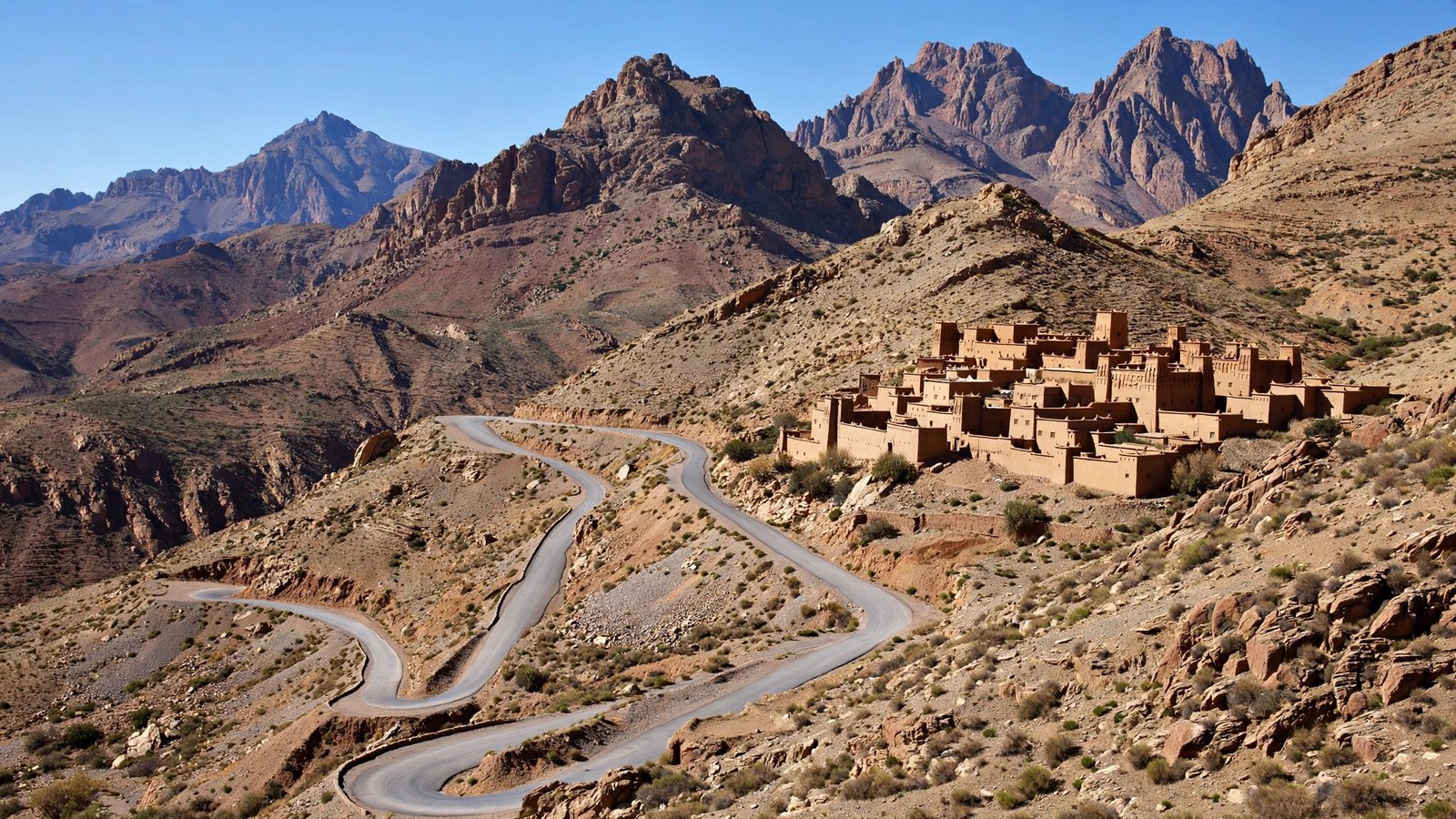
Driving yourself is feasible on main highways, but expect assertive traffic in cities, police checkpoints on intercity roads (slow down, be courteous, have documents ready), and winding mountain passes in the High Atlas where you should never rush. Avoid driving after dark outside cities: unlit carts, livestock and pedestrians on rural roads are a genuine hazard.
Health, Water and Food
Tap water in Moroccan cities is treated and locals drink it, but most visitors do better on bottled or filtered water, especially in the first days while their stomachs adjust. The classic food rules apply: eat where it is busy and freshly cooked, enjoy the grilled meats and tagines hot from the kitchen, and be a little cautious with raw salads and street-stall shellfish in the heat of summer.
Morocco’s pharmacies are excellent and often the fastest first stop for minor illness — pharmacists commonly advise and dispense over the counter for stomach upsets and colds. For anything serious, private clinics in Marrakech, Casablanca and Rabat are the standard recommendation, which is one reason travel medical insurance belongs on your booking list — our explainer of the state department travel advisory system shows how advisory levels and insurance decisions fit together.
Heat is the other health factor: desert excursions and August medinas are no place for heroics. Schedule sightseeing early and late, carry water, and treat midday as siesta time, the way Moroccans do.
Morocco Safety for Women Travelers
Women travel Morocco solo in large numbers and most have a great trip — but honesty matters more than reassurance here, so this section is direct. Unwanted attention, from comments to following for a block or two, is a common experience, particularly in the big medinas. It is overwhelmingly verbal and persistence-based rather than physical, and Moroccan bystanders and shopkeepers frequently intervene to shut it down.
What experienced women travelers do:
- Dress to blend in the medina: loose clothing covering shoulders, chest and knees dramatically reduces attention. A light scarf is useful for mosque-adjacent visits and as a signal of respect.
- Be strategically unengaged. Sunglasses, headphones (even silent ones) and a purposeful walk read as “not available for conversation.”
- Sit in the family sections of cafés or choose rooftop terraces and riad courtyards over male-dominated street-level café rows, where a seat can be misread as an invitation.
- Use riad-arranged transport at night rather than wandering medina alleys after dark — they are labyrinthine even when perfectly safe.
- Consider a licensed female or family-recommended guide for your first day in Fes or Marrakech; it recalibrates your confidence for the rest of the trip.
Couples and groups notice a marked step down in hassle compared with a woman alone, and staying in family-run riads — where the staff effectively adopt you — is the single most-repeated tip in trip reports. Our general solo travel tips cover the wider habits that apply here too.
Desert Trips and the Far South
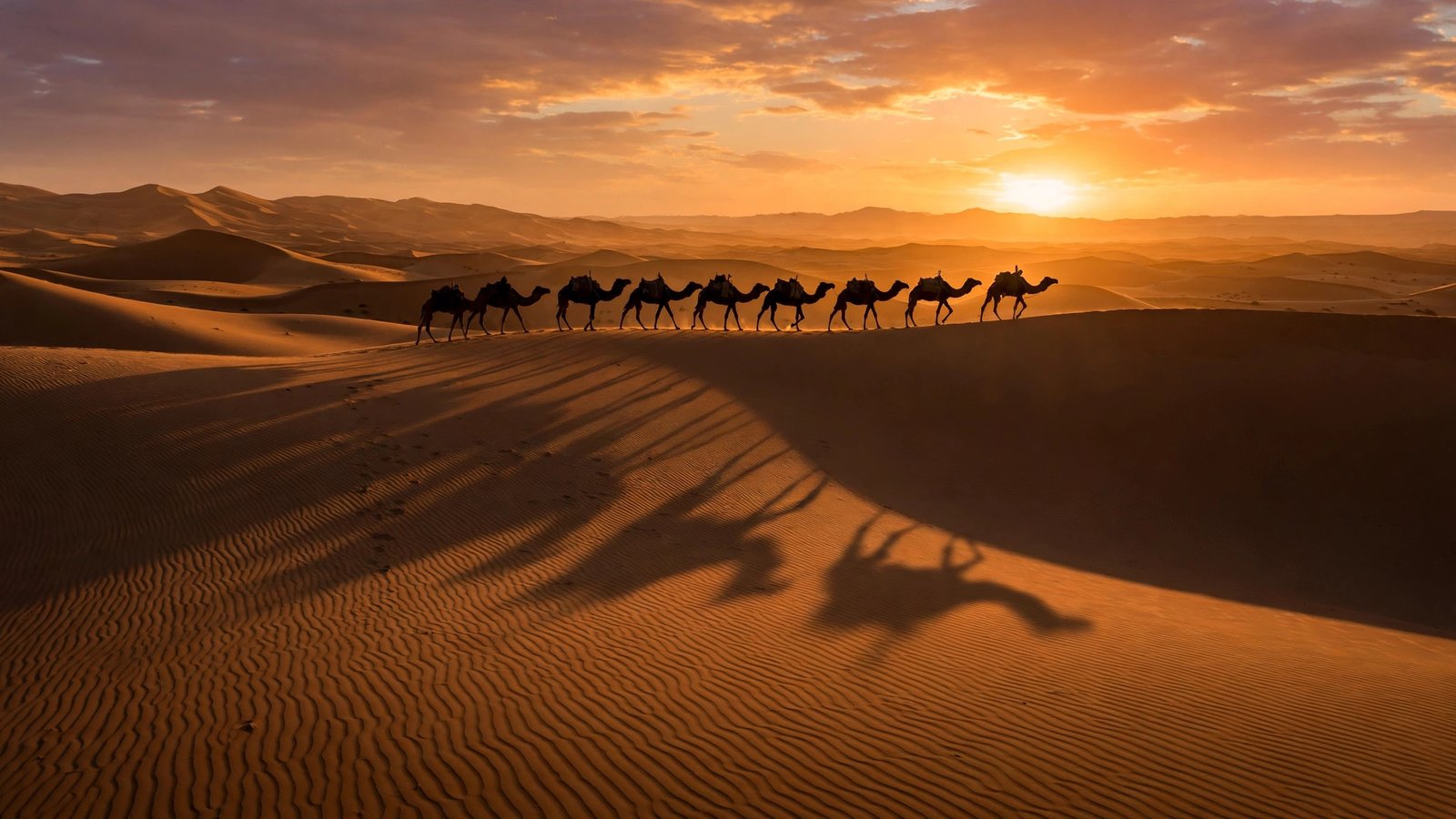
The Sahara excursion to Merzouga or Zagora is the highlight of many trips, and it is safe when booked properly — through your riad or a well-reviewed licensed operator, with the vehicle, camp standard and total drive time (it is long: roughly 9–10 hours from Marrakech with stops) confirmed in advance.
Two official cautions frame the edges of the map. The State Department advises against travel to the berm area along the disputed Western Sahara border, and areas near the Algerian border carry added risk in official guidance; standard tourist routes do not go near either. Likewise, remote border regions in the far south and east are not tourist country. If your itinerary sticks to the imperial cities, the coast, the Atlas and the established desert gateways, you are inside the Morocco that millions visit yearly.
Frequently Asked Questions
Is Morocco safe for American tourists? Yes, with increased caution as the Level 2 rating suggests. Americans are a familiar presence, English is widely spoken in tourist areas, and the main risks are scams and hassle rather than violence.
What should women wear in Morocco? Modest, loose clothing covering shoulders and knees; swimwear is for pools and beach resorts. A headscarf is not required except inside the few mosques open to visitors.
Is it safe to visit Morocco during Ramadan? Yes. Days are quieter, some cafés close, and you should eat discreetly in public out of respect — but evenings are festive and many travelers love it.
Can you drink alcohol in Morocco? Licensed hotels, bars and some restaurants serve it; drinking in public outside licensed venues is not acceptable, and public drunkenness draws real trouble.
The Bottom Line
Is Morocco safe to travel to? For travelers who prepare for the medina game, respect local norms and keep normal city awareness, yes — emphatically. The Level 2 label reflects a global terrorism backdrop shared with much of Europe, while the day-to-day reality is bargaining, hospitality and sensory overload rather than danger. Go in knowing the scams, dress with a little care, book the reputable version of each experience, and Morocco tends to become the trip people measure other trips against.
