
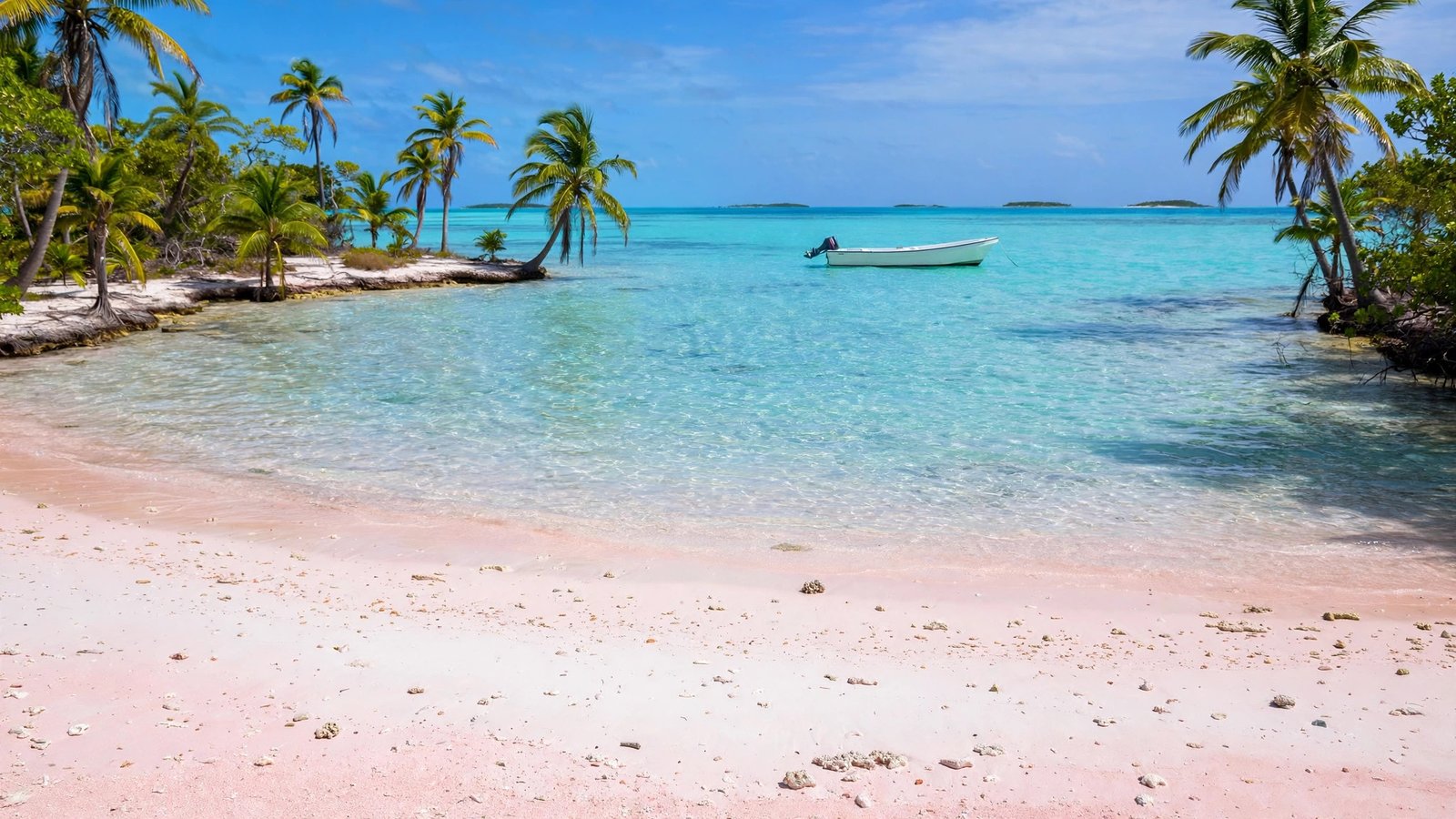
Ask “is the Bahamas safe” and you get two completely different answers depending on which island the person visited. A cruise passenger who spent six hours around the Nassau straw market, a family on Paradise Island, and a boater anchored off a deserted Exuma cay have effectively visited three different countries — and the safety picture differs just as much.
The official baseline is this: the US State Department rates the Bahamas at Level 2, “Exercise Increased Caution,” because of crime. The advisory focuses overwhelmingly on two islands — New Providence, home to Nassau, and Grand Bahama, home to Freeport. The Out Islands, where many of the country’s most memorable trips happen, run at a different tempo and a different risk level. This guide separates the two, in the same spirit as our Caribbean comparison guides on whether is Puerto Rico safe to travel and is Aruba safe to travel to.
Is the Bahamas Safe? What the Level 2 Advisory Actually Covers
The Bahamas’ Level 2 advisory is crime-driven. In the State Department’s own summary, violent crime — armed robbery, burglary and sexual assault — occurs in both tourist and non-tourist areas, with the concern concentrated on New Providence and Grand Bahama. US Embassy security messages over recent years have repeatedly highlighted Nassau, including areas visitors pass through, and have specifically cautioned about the “Over-the-Hill” neighborhood south of Shirley Street, especially after dark.
Read the advisory in full on the State Department’s Bahamas country information page before you travel, and re-check it near departure — the summary text is refreshed more often than the level changes, and the details matter more than the number.
Context counts too. The Bahamas receives millions of American visitors a year by air and cruise ship, and the large majority of visits are entirely uneventful. A Level 2 rating shared with countries like France and the United Kingdom is a prompt for awareness, not a stop sign. Our explainer of the state department travel advisory levels walks through how to read ratings like this one in full.
Bahamas Safety Nassau
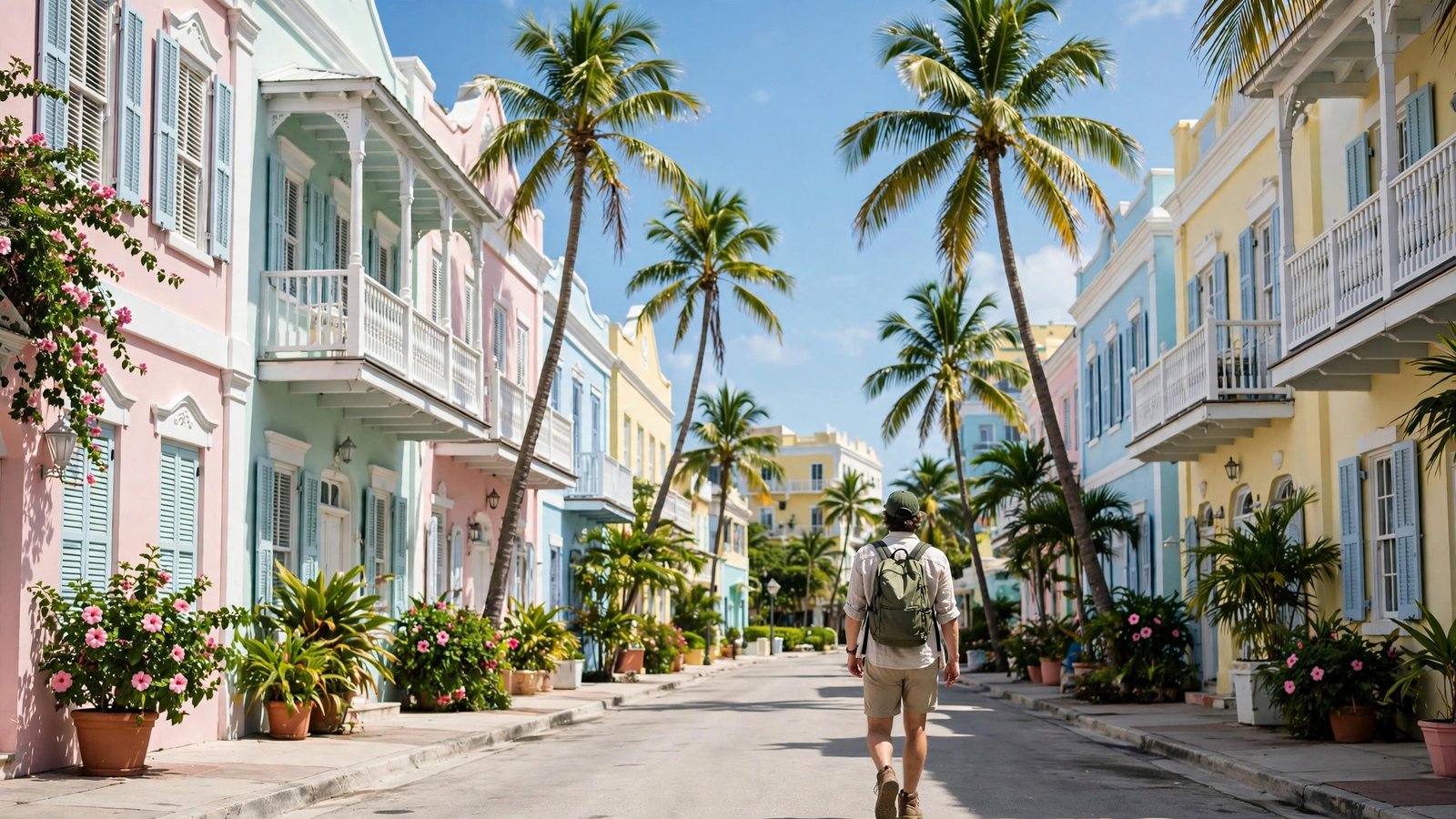
Nassau is where caution earns its keep. New Providence holds most of the country’s population, its biggest resorts and nearly all of its reported serious crime — and those two facts coexist on the same small island.
The resort zones themselves — Cable Beach, Paradise Island and the major hotel strips — are patrolled, gated in places, and feel much like resort districts anywhere in the Caribbean. The care level steps up when you leave them:
- Downtown and Bay Street are fine in the busy daytime hours; be more deliberate after dark, and skip poorly lit side streets.
- Over-the-Hill, the residential grid south of Shirley Street, is the area US Embassy alerts have repeatedly named. There is no tourist reason to wander it, particularly at night.
- Use hotel-arranged or reputable taxis rather than accepting rides from unmarked cars, and agree the fare before you set off.
- Do not flash the vacation budget. Leave expensive watches and jewelry at home, use the hotel safe, and carry one card and modest cash rather than everything.
- Watch the water-sports pitch. The State Department has specifically warned that the jet ski and excursion industry is not consistently regulated, that operators have been linked to sexual assaults, and that boating touts may ignore safety rules. Book water activities through your hotel or an established operator, not a beach walk-up.
- Mind the firearms law — it is absolute. Possessing firearms or ammunition in the Bahamas is illegal and strictly enforced; even a single stray round forgotten in a carry-on or boat locker has led to arrests, heavy fines and long legal ordeals for American visitors. Check your bags before you travel, not at Nassau airport.
Cruise passengers get the compressed version of Nassau: stay in the busy port and Bay Street area by day, join ship-run excursions rather than improvising transport, and be back aboard well before all-aboard time.
Paradise Island and the Big Resorts: What to Expect
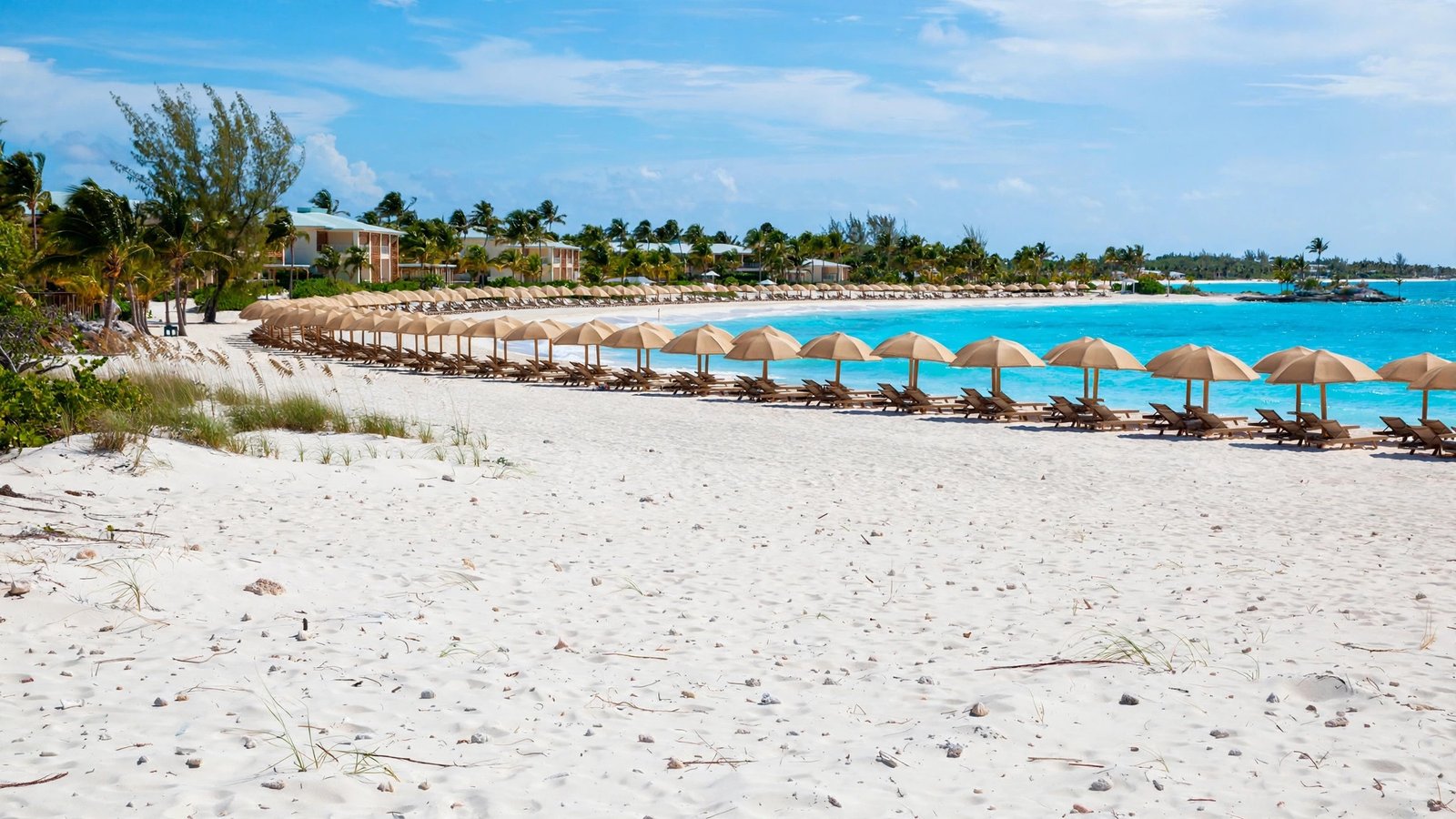
Paradise Island, linked to Nassau by two bridges, is the Bahamas most first-timers picture: mega-resorts, marinas, a casino and private beaches with controlled access. Cable Beach, west of downtown, runs a similar model at a slightly calmer pitch. Inside these zones, security is visible, beaches are serviced, and the experience is deliberately insulated — for many families that insulation is the product, and there is nothing wrong with buying it.
Two honest notes complete the picture. First, resort boundaries are not magic: the same awareness applies on the walk between properties, on public beach access points, and on any excursion that takes you off property — which is why booking those excursions through the resort desk remains the standing advice. Second, resorts concentrate a different category of nuisance rather than danger: aggressive timeshare and vacation-club sales operations work the lobbies, the airport arrivals hall and even some beaches. The pitch is legal and the exit is always the same — a polite, repeated “no thank you” without surrendering your room number or accepting the “free breakfast” that costs a morning of your holiday.
Common Hassles: Taxis, Touts and Beach Commerce
Outside the security perimeter, Nassau’s friction is commercial and manageable once you know the shapes. Taxi fares are zone-based and set officially, but not every cab runs them that way for visitors — confirm the full fare, including bridge tolls and luggage, before the car moves, and use the taxi stands at the airport, port and hotels where dispatchers keep order. Straw-market and hair-braiding prices are negotiable by design; agree the number first and the experience stays friendly. At the port, tour touts compete hard for walk-up business: the operators with printed rates, uniforms and a desk are a better bet than the cheapest shouted offer, particularly for boat trips where the safety discussion above applies in full.
None of this is unusual for a major Caribbean port — it is the standard port-city operating picture, and travelers who expect it generally report enjoying Nassau rather than enduring it.
On the Water: Boats, Jet Skis and Hurricanes
For many visitors the water is the point of the Bahamas — and it deserves its own safety paragraph. Distances between cays are longer than they look, weather builds fast, and not every rental boat carries the safety gear US renters take for granted. Confirm life jackets for everyone aboard, a working radio or charged phone, and a weather check before any crossing; file your plan with your marina or hotel.
Swimming has its own notes. Shark incidents are rare but the Bahamas is a shark-diving destination — never swim where fish are being cleaned or spearfishing is underway, and avoid the water at dawn and dusk away from supervised beaches. Rip currents occur on Atlantic-facing beaches on the Out Islands as well as Nassau.
The calendar matters: hurricane season runs June 1 to November 30, peaking from mid-August to mid-October. The Bahamas is exceptionally exposed, and smaller islands can be cut off after a major storm. If you travel in season, choose refundable rates, follow the National Emergency Management Agency and US Embassy alerts, and treat travel insurance with evacuation coverage as part of the ticket price — a point the next sections return to.
Bahamas Out Islands Safety
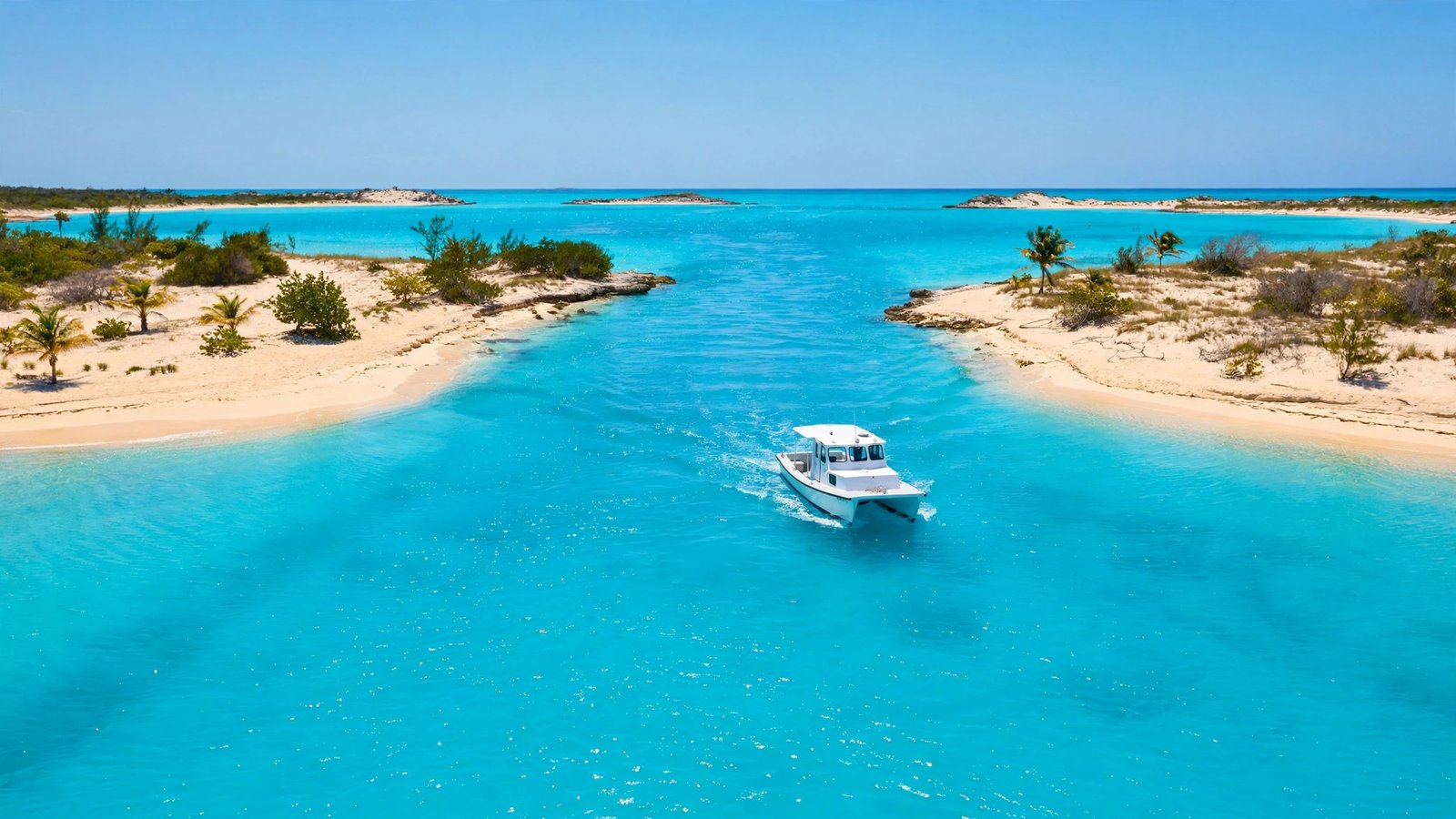
Eleuthera, the Exumas, the Abacos, Andros, Long Island, Cat Island, San Salvador, Bimini — the Out Islands (Bahamians often call them the Family Islands) are where the country’s crime conversation largely stops. Communities are small, everyone knows everyone, and the typical safety questions are about logistics rather than people.
That lower-crime picture comes with honest trade-offs you should plan around:
- Medical care is thin. Most Out Islands have clinics, not hospitals; serious cases go to Nassau or onward to Florida by air ambulance. This is the strongest argument in this entire guide for travel insurance that includes medical evacuation — the flight alone is a five-figure event.
- Transport is weather-dependent. Mail boats, small planes and ferries cancel in rough weather; never schedule an international flight the same day you leave a remote cay.
- Cash and connectivity can be patchy. ATMs exist but run dry on holiday weekends; card machines fail with the power. Carry a cash cushion.
- Roads are quiet but dark. Driving is on the left, rental cars may be older, and unlit roads plus the occasional pothole argue for slow, daylight driving.
- Stock up sensibly. If you are house-renting, buy drinking water, basics and any medication in Nassau or Freeport before you cross.
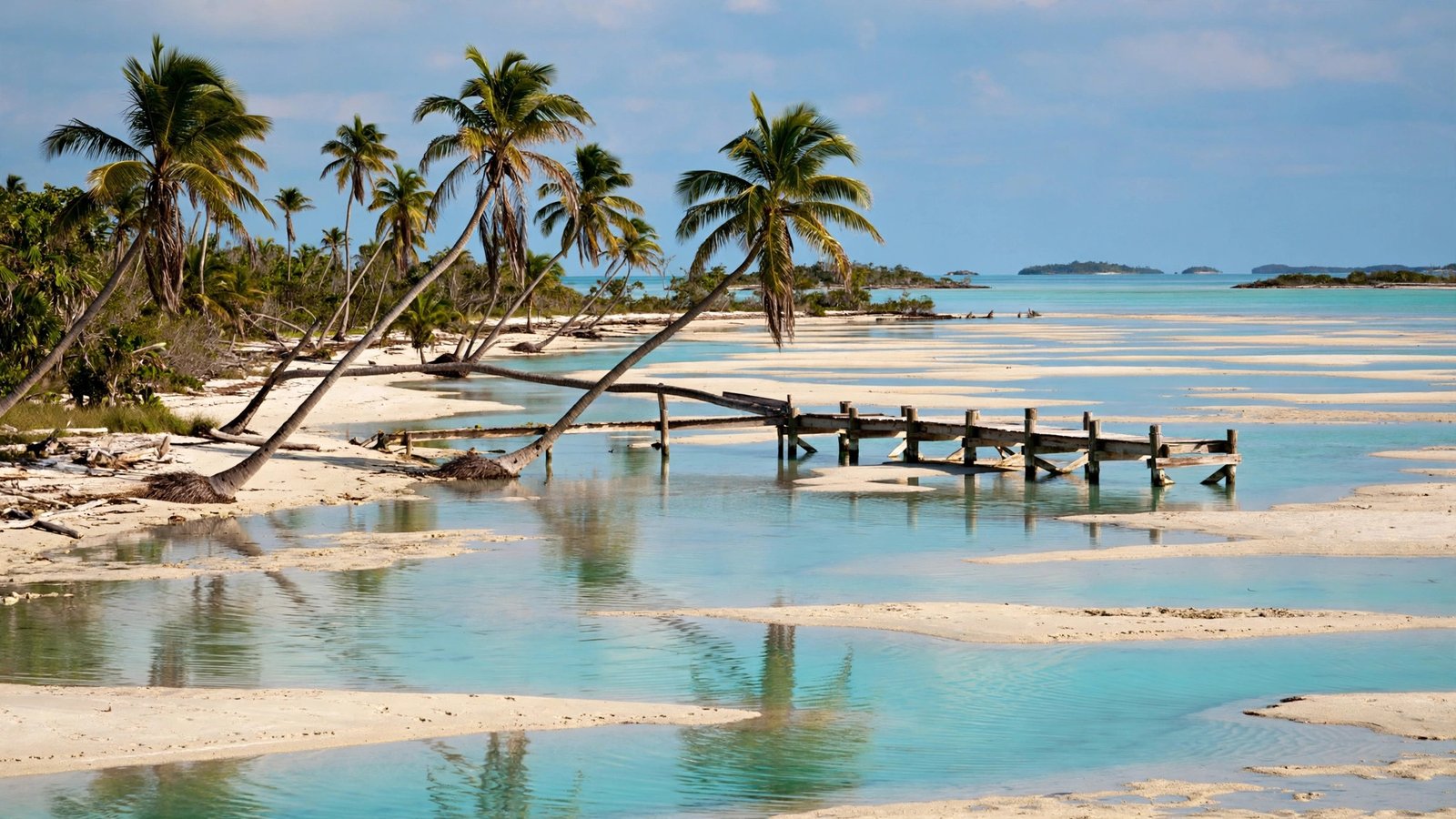
What the Out Islands give back is the Bahamas of the brochures: empty pink-sand beaches in Eleuthera, swimming pigs and sandbars in Exuma, and nights where the loudest event is the generator switching off. Most visitors describe them as the safest-feeling part of the trip by a wide margin.
Practical Safety Checklist for Any Island
- Enroll in STEP (Smart Traveler Enrollment Program) so the US Embassy in Nassau can push alerts to you.
- Photograph your passport and keep a copy in the cloud; report losses to the embassy.
- Emergency numbers: 911 or 919 reach police/fire/ambulance services.
- Share your island-hopping itinerary with someone at home, and check in on a schedule.
- Drink the bottled water outside major resorts if your stomach is delicate, and take the sun seriously — Bahamian UV at midday is no joke.
- Leave valuables in the safe, lock villa doors even at the beach (opportunistic theft targets empty rentals), and never leave bags visible in a parked golf cart or rental car.
Frequently Asked Questions
Is Nassau safe for cruise passengers? The port area and organized excursions are well trafficked and generally fine by day. The embassy advice — awareness, no wandering into unfamiliar neighborhoods, reputable transport — applies to a port day exactly as written above.
Which Bahamian islands are safest? The Out Islands consistently report the least crime, simply because they are small, quiet communities. Their risk is remoteness, not people.
Is the Bahamas safe during hurricane season? Travel is routine in season, but storms can disrupt or strand. Refundable bookings, evacuation-covering insurance and flexible dates are the sensible package from June to November.
Can I bring my boat gun or ammunition? No — firearms and ammunition are prohibited for visitors without explicit Bahamian permits, and enforcement is strict even for accidental carriage. Leave them home and double-check your bags.
The Bottom Line
Is the Bahamas safe? Split the answer the way the country itself splits. Nassau and Freeport ask for genuine big-city awareness under a Level 2 advisory — resort zones and daylight sightseeing are well-trodden, while a few neighborhoods and an unregulated water-sports scene deserve real respect. The Out Islands ask for something different: preparation for distance, weather and limited medical care rather than worry about crime. Plan for the island you are actually visiting, and the Bahamas delivers exactly the trip it promises.
