
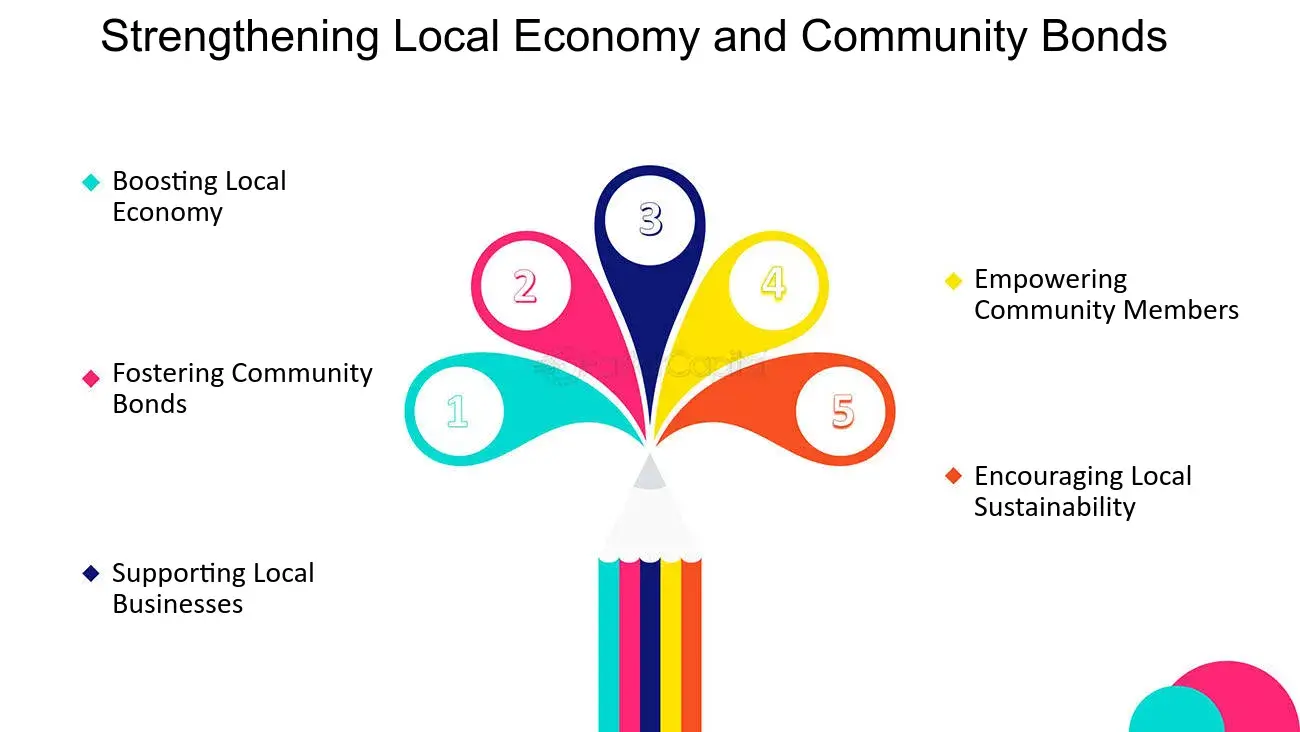
Community Projects Strengthening Local Bonds are becoming increasingly essential in today’s world, where many people often feel isolated despite living in close neighborhoods. These projects bring individuals together, allowing them to share responsibilities, support one another, and create meaningful relationships. A strong community is not built through technology or infrastructure alone but through human connection, empathy, and participation. By engaging in such initiatives, people transform their surroundings while also strengthening their emotional ties with each other.
Another important dimension of Community Projects Strengthening Local Bonds is the promotion of human rights. Every person has the right to belong, to be respected, and to contribute meaningfully to society. Community-driven initiatives give space for these rights to be exercised at the most local level. Whether it is cleaning a shared space, creating a cultural program, or offering educational support, these projects ensure that each voice is heard and valued. They are not only about physical improvements but also about empowering individuals with dignity and equality.
Above all, these projects nurture resilience and harmony. When people work together on a shared vision, they discover the strength of unity. A renovated park or a social awareness campaign is not just a product of effort but a reminder of what collaboration can achieve. The spirit of solidarity becomes a permanent bond, encouraging people to look after one another beyond the project itself. This is why Community Projects Strengthening Local Bonds are more than activities are foundations of lasting trust and cooperation.
Understanding Community Projects
Defining Community Projects
At their heart, Community Projects Strengthening Local Bonds are collective initiatives designed to improve the quality of life within a local setting. They can focus on education, culture, environment, or social welfare. What makes them unique is that they originate from the needs and aspirations of people themselves, not from external authority. By being locally inspired, they are more meaningful and effective, reflecting the genuine concerns of the community.
Inclusive Participation and Equality
The strength of these projects lies in inclusivity. Community Projects Strengthening Local Bonds invite everyone to participate, regardless of age, gender, or background. Children, youth, and elders all find roles suited to their abilities, ensuring that nobody is left behind. This inclusiveness builds equality, as every participant feels that their contribution is valuable. Such projects become spaces of fairness, where diversity is respected and unity is celebrated.
Trust and Social Cohesion
Trust is one of the strongest outcomes of community-led initiatives. When people work side by side to achieve common goals, they witness each other’s dedication and sincerity. Over time, this shared experience reduces suspicion, builds respect, and nurtures cooperation. Through consistent engagement, trust becomes the foundation of stronger social ties. This is why Community Projects Strengthening Local Bonds are essentialthey build not just results but also long-term social cohesion.
Projects as Everyday Human Rights
Human rights are not abstract; they are lived experiences. Community projects make these rights visible and practical. They ensure participation, equality, and respect for human dignity. By providing opportunities for people to contribute, these initiatives demonstrate that every individual matters. In this way, Community Projects Strengthening Local Bonds are more than community improvementsthey are exercises of justice, fairness, and human empowerment.
The Role of Community Projects in Strengthening Local Bonds
Building Shared Purpose
One of the most important roles of Community Projects Strengthening Local Bonds is creating a sense of shared purpose. When individuals come together to achieve common goals, they develop a feeling of unity and belonging. Whether the project is about environmental care, cultural activities, or social services, the shared responsibility transforms neighbors into active partners. This collective mission gives meaning to people’s actions and deepens their connection with one another.
Encouraging Empathy and Solidarity
Community projects strengthen emotional connections by fostering empathy and compassion. Helping others through these initiatives is not just about physical assistance; it is about recognizing and protecting each person’s right to live with dignity. When individuals work together to support those in need, they are building bonds that go beyond material help. Community Projects Strengthening Local Bonds demonstrate that solidarity is the true strength of a society.
Promoting Inclusivity and Respect
Another key role of these initiatives is promoting inclusivity. Differences of culture, background, or belief often divide people, but community projects create common spaces where such differences are respected. A cultural festival or a social awareness campaign allows diversity to shine while reinforcing unity. Community Projects Strengthening Local Bonds break down barriers of prejudice, teaching respect and acceptance. Inclusivity becomes the bridge that connects people and strengthens harmony.
Sustaining Unity for the Future
Finally, community projects ensure that bonds are not temporary but lasting. Initiatives such as community gardens, libraries, or mentorship programs continue to serve people over time, becoming traditions of care. These long-term activities pass on values of cooperation and solidarity from one generation to the next. Through sustainability, Community Projects Strengthening Local Bonds transform from short-term collaborations into long-lasting commitments that shape stronger societies.
Benefits of Community Projects for Society
Strengthening Social Cohesion
One of the most important benefits of Community Projects Strengthening Local Bonds is the creation of social cohesion. When people come together to achieve common goals, they develop a sense of mutual trust and shared responsibility. This unity reduces feelings of isolation and strengthens relationships among neighbors. Over time, communities that collaborate through projects become more resilient, as individuals know they can depend on one another in times of need. Social cohesion is not just about friendliness, is about building networks of care that protect the dignity of every member.
Improving Local Environments
Another clear benefit of Community Projects Strengthening Local Bonds is the improvement of physical and social environments. When residents take part in activities such as planting trees, renovating public spaces, or creating cultural centers, they create surroundings that are safer, cleaner, and more vibrant. These improvements are more than cosmetic changes. They provide spaces where children can play, adults can interact, and communities can flourish. The physical environment becomes a reflection of collective pride and commitment, reminding everyone that they live in a place cared for by many hands.
Emotional and Psychological Wellbeing
Community projects also support mental health and emotional well-being. Participating in shared initiatives allows individuals to feel valued and connected. Loneliness, which is a growing issue in many societies, is reduced when people have opportunities to engage in meaningful activities with others. The feeling of being part of something larger than oneself creates purpose and satisfaction. Community Projects Strengthening Local Bonds are therefore not only about material outcomes but also about nurturing psychological resilience, positivity, and belonging.
Long-Term Social Development
Perhaps the most powerful benefit is the long-term transformation of society. Projects create traditions of cooperation that are passed down through generations. Young people who see their elders engaged in community work learn the importance of responsibility and solidarity. As a result, the culture of care and unity grows stronger with time. Community Projects Strengthening Local Bonds do not just resolve immediate challenges; they lay the foundation for future development that is inclusive, just, and sustainable.
Examples of Successful Community Projects
Environmental and Clean-Up Campaigns
Environmental initiatives are among the most visible forms of Community Projects Strengthening Local Bonds. When people gather to clean streets, plant trees, or protect natural areas, they not only improve their environment but also create opportunities for collaboration. These campaigns show that care for the earth is care for one another, since a healthier environment benefits everyone. The bonds formed during these activities last far beyond the project, proving that shared responsibility creates deep trust.
Cultural and Art-Based Initiatives
Cultural projects also demonstrate the power of unity. Organizing festivals, exhibitions, or performances provides platforms for individuals to share their creativity while appreciating others. These events highlight diversity as a strength and offer opportunities for dialogue and respect. A festival is not only an occasion for entertainment but also a powerful expression of inclusivity. Through such cultural initiatives, Community Projects Strengthening Local Bonds celebrate identity while reminding everyone of the importance of harmony.
Educational and Skill-Building Programs
Education-focused projects are another successful example. Workshops, mentorship programs, and literacy campaigns allow knowledge to be shared across generations. These projects empower individuals by giving them tools for personal growth and future success. At the same time, they strengthen community ties, as learning becomes a collective process. Community Projects Strengthening Local Bonds in the field of education demonstrate that knowledge is not just personal, is communal, creating stronger, more capable societies.
Charity and Social Welfare Drives
Finally, charity-driven initiatives highlight compassion in action. Organizing food distributions, supporting vulnerable groups, or raising funds for those in need builds solidarity across the community. Such projects remind people of their shared responsibility to protect one another’s rights and dignity. By ensuring no one is left behind, Community Projects Strengthening Local Bonds turn empathy into practical change. These initiatives strengthen bonds because they affirm that caring for others is the foundation of justice and humanity.
The Role of Youth in Community Projects
Energy and Innovation of Young People
Young people bring energy, creativity, and innovation to community projects. Their ideas often introduce fresh approaches to solving challenges, from using technology for organizing events to designing modern awareness campaigns. Community Projects Strengthening Local Bonds thrive when youth are actively involved, as they add enthusiasm and vision. Their willingness to experiment creates momentum and encourages older generations to adapt to new ways of working together.
Youth-Led Initiatives in Education and Culture
Students and young leaders often create their own initiatives within schools, colleges, and social groups. They may organize literacy programs, awareness drives, or cultural festivals that not only benefit their peers but also inspire broader community participation. These youth-led projects highlight leadership, responsibility, and empathy. By taking initiative, young people prove that Community Projects Strengthening Local Bonds are not only for the present but are also shaping the future.
Building Bridges Across Generations
Youth participation also strengthens intergenerational bonds. When young people work with elders in community projects, they learn wisdom, while elders gain respect for youthful creativity. This exchange of ideas ensures that traditions of care continue while adapting to modern challenges. Community Projects Strengthening Local Bonds become platforms where generations support one another, creating continuity and unity. Such intergenerational cooperation guarantees that values of solidarity remain alive in the community.
Shaping Future Societies Through Engagement
The involvement of youth ensures that community projects have a long-lasting impact. Young participants carry lessons of empathy, fairness, and cooperation into their adult lives, influencing future families and workplaces. They become role models for others, proving that change begins at the local level. Through consistent engagement, youth make sure that Community Projects Strengthening Local Bonds remain vibrant and effective across decades, strengthening the foundations of society itself.
Challenges in Implementing Community Projects
Limited Funding and Resources
One of the most common challenges faced by Community Projects Strengthening Local Bonds is the shortage of funds and resources. Many initiatives are started with passion, but struggle to continue without proper financial support. Lack of materials, venues, or professional guidance can limit the scale of projects. Communities must often rely on donations or voluntary contributions, which may not always be enough. While determination is strong, the absence of stable resources can restrict progress and prevent meaningful outcomes.
Awareness and Participation Barriers
Another challenge lies in motivating people to participate. Many individuals underestimate the importance of local projects or feel that their efforts will not make a difference. This lack of awareness weakens participation and reduces impact. In some cases, people may be too busy with personal obligations to give time to collective efforts. Without active involvement, even well-planned projects can fail. Community Projects Strengthening Local Bonds require a strong culture of awareness, where individuals understand the value of their role in creating positive change.
Organizational and Leadership Difficulties
Strong leadership is essential for guiding any community initiative. Yet, many projects face difficulties in organization and management. Miscommunication, unclear roles, or a lack of planning can result in inefficiency. Without effective leadership, projects may lose direction or fail to achieve their goals. To succeed, Community Projects Strengthening Local Bonds must establish clear responsibilities and encourage transparent communication. Leadership challenges remind us that unity requires structure, not just enthusiasm.
Conflicts and Resistance Within Communities
Resistance to change is another obstacle. Some individuals may resist new initiatives due to personal interests, cultural differences, or fear of disruption. Conflicts can arise over project priorities, responsibilities, or resource distribution. Such disagreements can weaken unity and delay progress. Overcoming this resistance requires patience, dialogue, and compromise. Despite these challenges, Community Projects Strengthening Local Bonds can thrive if communities embrace open communication and respect for different viewpoints.
Overcoming Barriers to Strengthen Local Bonds
Building Effective Leadership
One of the best ways to overcome challenges is through strong, ethical leadership. Leaders in Community Projects Strengthening Local Bonds should focus on inclusivity, transparency, and accountability. Effective leaders motivate participants, organize resources, and ensure fairness. By setting clear goals and responsibilities, they minimize misunderstandings and build trust. Leadership becomes a source of inspiration, guiding projects toward meaningful success while protecting the dignity of all participants.
Partnerships with Local Organizations
Partnerships play a critical role in expanding the reach and impact of community initiatives. Collaborating with schools, businesses, and nonprofit groups can provide additional funding, resources, and expertise. Such partnerships strengthen legitimacy and encourage broader participation. When local institutions support projects, they create a culture of shared responsibility. Community Projects Strengthening Local Bonds benefit greatly from partnerships that combine knowledge, financial support, and collective effort.
Encouraging Volunteerism Through Awareness
Raising awareness is essential for mobilizing participation. Communities must highlight how small contributions can lead to significant change. By promoting success stories and demonstrating visible results, they inspire more individuals to take part. Awareness campaigns, workshops, and social gatherings remind people that volunteering is not just charity; it is a right and responsibility. Community Projects Strengthening Local Bonds succeed when individuals recognize that their time and energy are valuable investments in the well-being of all.
Harnessing Technology and Social Media
Technology offers powerful tools to overcome participation barriers. Social media platforms can be used to spread awareness, organize events, and share progress. Online spaces create opportunities for dialogue, fundraising, and mobilization. Digital tools allow communities to connect with wider audiences, making it easier to gather support. By using technology effectively, Community Projects Strengthening Local Bonds gain visibility and participation, proving that unity can be strengthened both offline and online.
The Future of Community Projects
Digital Platforms for Engagement
The future of Community Projects Strengthening Local Bonds will rely heavily on digital platforms. Online communities allow people to organize events, raise funds, and share knowledge across wider networks. Digital spaces remove barriers of time and distance, enabling more flexible participation. By combining face-to-face collaboration with digital tools, communities can ensure that projects remain accessible to all. The balance between physical presence and virtual engagement will shape the future of social bonds.
Sustainability and Long-Term Vision
Future projects must prioritize sustainability to ensure that bonds remain strong across generations. Initiatives should focus not only on short-term results but also on long-lasting impact. For example, projects that teach skills, protect the environment, or create cultural traditions ensure benefits that endure. Community Projects Strengthening Local Bonds will grow stronger when designed with continuity, encouraging responsibility and care that extend into the future.
Global-Local Collaboration
Another emerging trend is the blending of local action with global awareness. While projects are rooted in local needs, they can draw inspiration and support from international ideas and resources. Shared knowledge across borders allows communities to adopt innovative solutions while staying true to their local identity. This exchange creates a stronger culture of solidarity, reminding us that unity at the local level contributes to unity worldwide. Community Projects Strengthening Local Bonds will increasingly reflect this global-local connection.
Redefining Community Living
The future of communities is not just about survival but about creating spaces where people thrive together. Projects that promote inclusivity, creativity, and justice will redefine what it means to live in harmony. The next generation will see communities as places where everyone’s rights are respected and where diversity is celebrated as a strength. By focusing on fairness, compassion, and cooperation, Community Projects Strengthening Local Bonds will remain central to shaping societies that value both individual dignity and collective unity.
FAQs on Community Projects Strengthening Local Bonds
What are community projects, and how do they strengthen local bonds?
Community projects are organized efforts where people come together to solve local problems or create positive change. These initiatives help strengthen local bonds by promoting teamwork, trust, and shared responsibility. When individuals unite for a common purpose, they build relationships that go beyond the project itself.
Why are community projects important for social development?
Community projects are important because they address needs that larger systems may overlook. They encourage people to take ownership of their environment and well-being. By working together, individuals build stronger networks of support, which improves both social development and collective resilience.
How can small initiatives contribute to big changes?
Small initiatives, such as neighborhood clean-ups or skill-sharing workshops, may seem simple but create a ripple effect. They inspire more participation, improve confidence, and lead to larger movements. Even small steps in Community Projects Strengthening Local Bonds can transform attitudes and strengthen long-term unity.
What role does volunteerism play in community projects?
Volunteerism is the backbone of community projects. It allows people to contribute their time, skills, and energy for the common good. Volunteers not only help achieve project goals but also develop empathy and social responsibility. This active participation strengthens trust and unity within the community.
How do community projects promote inclusivity?
By welcoming people of all ages, backgrounds, and abilities, community projects create an environment where everyone feels valued. Inclusivity ensures that no one is left out and that diverse perspectives are respected. This inclusive spirit is a key element in Community Projects Strengthening Local Bonds.
What are the common challenges faced by community projects?
The most common challenges include limited funding, lack of participation, leadership difficulties, and internal conflicts. Despite these hurdles, communities can overcome them with strong organization, partnerships, and awareness campaigns. Challenges often become growth opportunities when addressed collectively.
How can technology support community projects?
Technology and social media make it easier to connect, organize, and spread awareness. Communities can use digital platforms to promote events, raise funds, and showcase success stories. Technology helps expand reach and ensures that Community Projects Strengthening Local Bonds remain relevant in a modern world.
How can individuals get involved in community projects?
Anyone can get involved by volunteering, donating resources, or simply showing support through participation. People can also start small initiatives in their neighborhoods or join existing projects. The key is to take the first step, no matter how small, because every effort counts.
What impact do community projects have on future generations?
Community projects teach values such as empathy, responsibility, and cooperation. These values are passed on to future generations, creating a culture of unity and resilience. Children and young adults who engage in such projects grow up with stronger social awareness and a deeper sense of belonging.
How can communities ensure the sustainability of projects?
Sustainability comes from long-term vision, consistent participation, and partnerships. By focusing on education, skill development, and environmental care, communities create projects that continue to benefit people for years. Sustainable Community Projects Strengthening Local Bonds ensure lasting impact and stronger connections.
Conclusion
Community Projects Strengthening Local Bonds represent more than simple neighborhood activities; they are living examples of how unity and cooperation can transform lives. When people join hands to address shared needs, they create an atmosphere of trust, dignity, and belonging. These projects allow individuals to step beyond their personal boundaries and recognize the strength that comes from working together. In doing so, they reinforce the principle that every person has the right to live in a supportive and inclusive environment.
The impact of these initiatives is not limited to solving short-term issues. They build strong social networks that stand firm in times of crisis and joy alike. Whether through education drives, environmental protection campaigns, or cultural celebrations, Community Projects Strengthening Local Bonds nurture values of compassion and equality. They remind us that collective progress is not achieved through individual success alone, but through the spirit of togetherness, where everyone’s voice is heard.
At the same time, challenges such as limited resources, lack of participation, and leadership gaps cannot be ignored. Yet, these barriers also create growth opportunities. Communities that overcome such obstacles emerge stronger, more resilient, and better prepared for future initiatives. By embracing inclusivity, encouraging volunteerism, and using modern tools like digital platforms, these projects can thrive and expand their impact. The path may not always be smooth, but the destination is one of empowerment and solidarity.
