
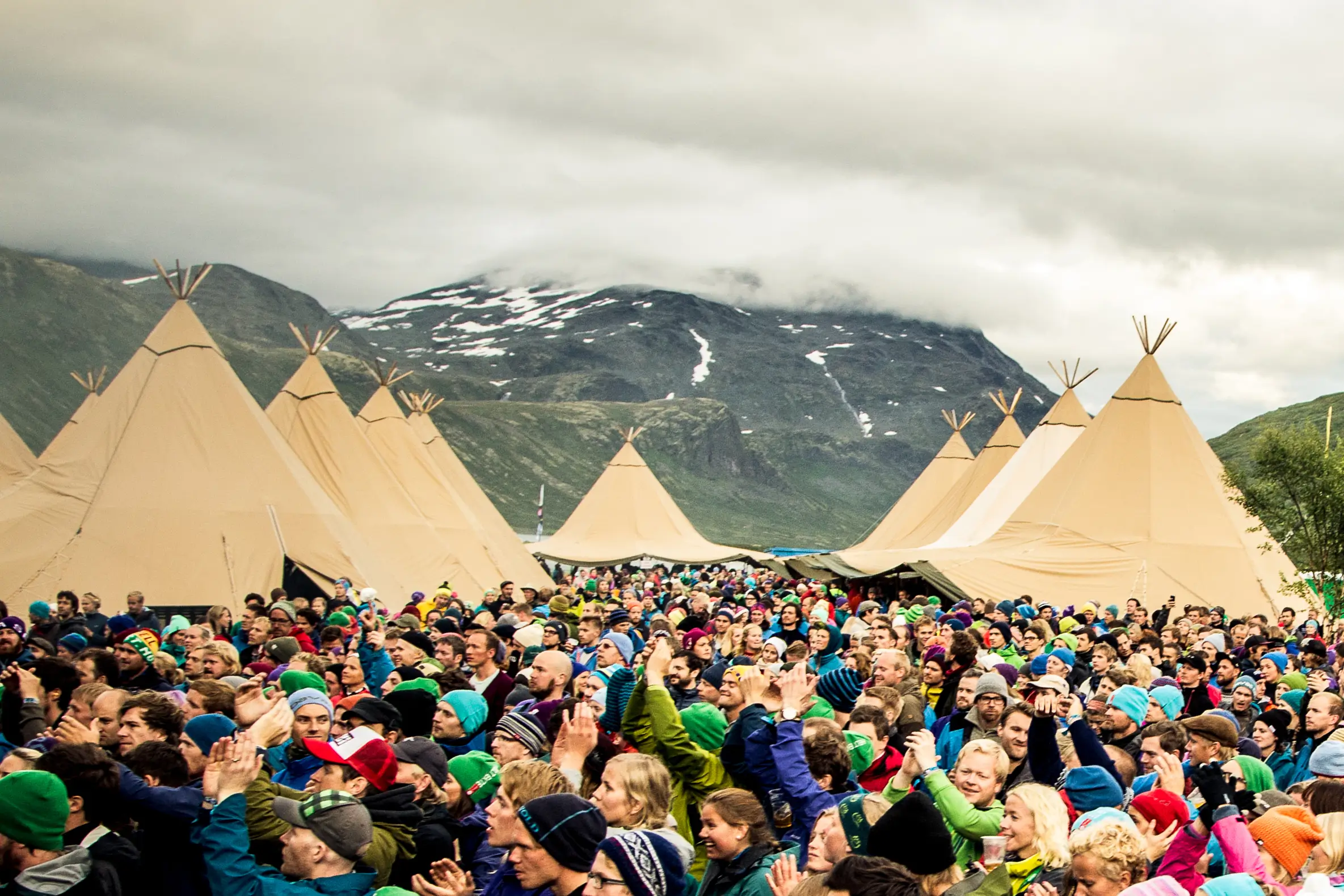
The spectacular archipelago of Lofoten in Norway is recognized to the world due to its dramatic scenery, fishing culture, and rich cultural background. Travelers usually may be attracted by its fjords, mountains, and midnight sun, but the cultural life is very strong in Lofoten, which makes it even more special. The traditional festivals here are not purely about celebrations, but they are living narrations of the past, and are being handed over with pride into the present.
Lofoten has festivals that give a special insight into the soul of the region. They demonstrate the tradition of fishermen, the imagination of the artists, and the hospitality of communities that have survived and worked in difficult Arctic conditions throughout centuries. To the locals, the events have been a means of identity and building social connections. To the tourists, they are an opportunity to get a glimpse of the original Norwegian culture in such an environment as no other in the world.
This exhaustive guide will cover the most significant traditional festivals happening in Lofoten, their meaning, and why they are worth being included in your travel list of places. Whether you are a passionate cultural tourist, a curious tourist, or a photographer who wants to experience the magic of northern Norway, these festivals will place you in the colorful moments.
Lofoten Winter Fishing Festival (Lofotfisket).
Lofoten is vibrating with one of the most ancient of its traditions every year, when the Arctic winter yields to the lengthening days, the Winter Fishing Festival. This is called Lofotfisket, a celebration of the season of cod fishing, and has been the mainstay of the island’s economy since time immemorial. Lofoten is known as a fishing water since the times of the Vikings, and this festival is a sort of acknowledgment of the generations of fishermen who created the region.
Throughout the festival, the harbors on the islands are crowded with fishing boats, and visitors can see vivid competitions when fishermen demonstrate their abilities to win in the battle of catching the largest cod. The fishing is not the only activity of the festival, but there are cultural performances, storytelling, and traditional meals cooked on fresh cod. The ambiance is celebratory but closely intertwined with the tradition that no one should forget that the culture of Lofoten cannot be apart from the sea.
To the tourists, the Winter Fishing Festival is not just entertaining but educational as well. It gives one a feel of how fishing contributed to the local cuisine and architecture, among other things. Being at this event is a way of living the history of Lofoten in reality, where ancient traditions are mingled with contemporary events.
Cod Stockfish Festival (Tørrfiskfestivalen).
The cultural element with which the Cod Stockfish Festival is closely associated is the fishing culture. Norway Stockfish Stockfish is the most important export of Norway for more than a millennium, and Lofoten is its international capital. This festival is a blend of cultural, artistic, and economic significance of stockfish, and it is conducted to present a meal, music, and art.
Visitors in the course of the festival can observe the exhibitions of the traditional ways of drying garments; the latter entails hanging cod on racks made of wood during the Arctic wind. Cooking competitions are also held where local cooks and foreigners compete to make new dishes using stockfish, which also shows how a very basic product can help to be creative. The event is also enriched with concerts, exhibitions, as well as workshops, and is a full package of culture.
The Stockfish Festival is not merely food-based, but it is all about identity. The fish stock to the people of Lofoten is a symbol of strength, culture, and relation to the world. The visitors who visit receive an opportunity to sample authentic flavors, and at the same time, know the historical role of this trade in developing the global prominence of Lofoten.
Viking Festival at Borg (Lofotr Vikingfestival).
The Viking Festival at Borg is the most cultural experience that Lofoten can offer you in case you want to travel back in time. This festival is held at the Lofotr Viking Museum, and it re-creates the Vikings who used to control these northern seas. One of the biggest Viking longhouses ever found was located at Borg, and nowadays it is the ideal location for this annual event.
The festival has Viking markets, battle reenactments, storytelling, and traditional crafts. The visitors can observe blacksmiths at work, practice archery, or enjoy genuine Viking food made of the local ingredients. The authentic Viking costumes of the performers make the history interesting and, at the same time, enlightening.
The sense of participation is what is so special about the Viking Festival. It is not a spectacle where you sit back and watch, but you get to experience the Viking lifestyle of living a few days. It is one of the most famous annual events in Lofoten, where families, history lovers, and tourists from around the world come to share their strength, tradition, and pride in culture.
- Best Budget Travel Backpacks: 12 Affordable Picks For Every Type Of Traveler
- Travel Trailer Guide: Types, Costs & Buying Tips
- Best Places To Travel With Kids: 15 Family-Friendly Destinations For Every Age Group
- Travel Agent: What They Do, How They Work, Costs, Benefits & How To Choose One
- Europe Freezes US Travel: What It Really Means For Travelers In 2026 And Beyond
Lofoten Food Festival (Matfestivalen i Lofoten).
The cuisine of Lofoten extends way beyond cod and stockfish, and this festival is a feast of local food. The Lofoten Food Festival is a gathering of farmers, fishermen, chefs, and food lovers in the entire region. It not only emphasizes the significance of fresh seafood, but it also displays lamb, cheese, herbs, and other Arctic products that are common in the north of Norway.
The festival has colorful stalls across the markets where locals can taste the local delicacies. The stands that are occupied by street food vendors offer the traditional recipes with a twist, and the real-life uses of cooking are performed by gourmet chefs. The event also has food workshops, whereby the guests learn how to make dishes in Lofoten style. The interactive activities are also enjoyed by the families, and the food lovers find out what Norwegian cuisine can offer other than what is normally known outside.
It is not only a festival of eating, but also a festival of community and sustainability. The event signifies Lofoten’s preservation of its environment by showcasing the local food and sustainable fishing activities, as well as introducing its gastronomic diversity to the global community.
Midnight Sun Festival (Midnattssolfestivalen).
Midnight Sun is one of the most enchanting natural phenomena in Lofoten, where the sun does not set during the summer season. The locals also organize the festival of Midnight Sun to honor this phenomenon, and the festival is characterized by music, dance, and community events.
The festival usually encompasses outdoor performances, art shows, and bonfires at night at the beach and is savored under the golden light of the midnight sun. It is a phantasmagoric encounter for tourists, as they are usually surprised by how nature is incorporated in the party. Children entertain till late into the so-called night, and adults also participate in dancing, telling stories, and having traditional meals together.
The most special thing about this festival is its strong affiliation with the natural rhythms in the Arctic. The Midnight Sun is a representation of life and light, and plenty follows the lengthy polar winter. To the locals, it represents a joyful and rejuvenating period. To the travelers, it is a memorable experience to explore how culture and nature are combined in harmony in Lofoten.
The Lofoten International Art Festival (LIAF)
has never been left out in Lofoten, and its scenery has been the bane of painters, photographers, and musicians. The Lofoten International Art Festival (LIAF) is the oldest art biennale in Norway and has become one of the most significant cultural events within the region. It is contemporary in its style, but it is firmly entrenched in the tradition of storytelling and creativity of Lofoten.
The islands are turned into a big exhibition area in the course of the festival. The works of art are not just exhibited in the galleries but also in warehouses, in the open landscape, and even on fishing boats. The festival has performances, installations, and interactive activities where the visitors can meet the artists directly. It is a colourful gathering place of global and local talent, attracting interest in themes that tend to mirror the environment, history, and culture of Lofoten.
Being modern in style, LIAF brings the essence of tradition, as it does not abandon the old tradition of using art to explain life. To the visitors, it is an eye-opener to the creativity of the north, as it demonstrates that Lofoten is not all about natural beauty, but it is also about cultural innovation.
Lofoten Horse Festival (Hestefestivalen).
The Horse Festival is one of the traditional events in Lofoten, which is devoted to the association of the region with powerful horses. These animals were previously a necessity to farming, transport, and fishing societies to enable locals to survive in extreme Arctic climates. The festival nowadays commemorates this legacy with several different activities that unite locals and visitors.
The event also contains horse shows, parades, and competitions, which demonstrate the competencies of horses and riders. Conventional outfits, songs, and social events complement the festival. Children in particular like the possibility to meet and ride the horses, while the older generations like to reenact the story about how the animal contributed to the history of Lofoten.
In addition to entertainment, the festival emphasizes the attributes of perseverance, labor, and friendship that the horses in the north of Norway represent. It reminds us that traditions do not always exist in museums only, but are also practised today and make people relate to their past in a meaningful manner.
The Sami Culture Festival (Samisk Festival).
Indigenous people of the Lofoten- Sami have been among the natives of Lofoten for centuries, and their culture has continued to enhance the identity of the region. The Sami Culture Festival is devoted to the celebration of their traditions, language, music, and crafts that provide the visitors with a unique opportunity to feel the indigenous life in the Arctic.
The visitors are also offered the opportunity to listen to joik singing (traditional Sami singing), storytelling sessions, and Sami costumes during the festival. They are often accompanied by reindeer herding as well as a workshop on a handicraft such as duodji (Sami design). Classical Sami cuisine is offered, and the tourists have a feel of this special cooking tradition.
The festival has strong cultural implications, as it preserves the traditional values of the indigenous population and brings communities together by means of mutual respect and understanding. To the travelers, it is more of a celebration but a learning experience into one of the oldest living cultures in the world, against the dramatic backdrop of Lofoten.
The Christmas Market and Winter Traditions (Julemarked)
When the Lofoten are covered in snow that blankets them in winter, the islands are warm during the Christmas Market period. These markets are not as huge as the summer festivals, but they have something particular. They mix the Norwegian customs of traditional holidays with the local Lofoten elements to make a personal and warm celebration.
Not only are there stalls with handmade crafts and knitted goods, but there are also stands with decorations in honor of the festival. There is a smell of gingerbread, mulled wine, and dried fish snacks in the air, and choirs sing carols. The market becomes a magical experience for families, particularly in activities involving children like meeting Santa Claus and storytelling.
Christmas at Lofoten is not about presents; it is about neighbors and the process of looking back. The winter traditions and markets unite people in the darkest month of the year, and everyone is reminded that warmth and light can be found in the connection with human beings. It offers a visitor an opportunity to have a very authentic Arctic Christmas, which is based on simplicity, tradition, and cheerfulness.
Frequently Asked Questions (FAQs):
When is the best time to visit Lofoten for festivals?
The most suitable time will be based on your interest. Fishing festivals and Christmas markets are best experienced in winter (January-March), whereas the Midnight Sun Festival, Viking Festival, and food events are best during summer (June-August). The art festival is usually held in autumn.
Are Lofoten festivals family-friendly?
Yes, children are welcome at most festivals, be it horse rides, crafts workshops, etc. Families are often asked, and numerous events are held to attract everyone.
Do I need tickets for these festivals?
Tickets are sometimes needed on special occasions, such as the Viking Festival or art shows, whereas some community occasions, such as Christmas markets, are normally free. Before visiting, it is better to examine official websites.
Can tourists participate in activities?
Absolutely! Numerous festivals are participation-oriented – fishing competitions and even Viking games, and cooking classes. Tourists are not only observers but also participants in the celebration.
How do festivals reflect Lofoten’s culture?
They all focus on the different elements of Lofoten life: fishing, Viking history, the native people of Sami culture, or the seasons. The combination of them creates an overall picture of the heritage of the region.
Is language a barrier at these festivals?
The primary language is Norwegian; however, most of the festivals already have international guests with international language translations, guides, or nice locals who are always ready to help.
Which festival is the most unique in Lofoten?
Each one of a kind, the Viking Festival at Borg is often considered to be the most peculiar because people are fully immersed in the past and receive the direct experience of the Viking lifestyle.
Conclusion:
Lofoten is not only a place of natural marvels, but it is also an inhabited cultural landscape with a sense of pride in its traditions. Whether it is fishing festivals that unite the sea or artistic festivals that challenge the limits of creativity, all festivals have a story of survival, identity, and community. To tourists, visiting these festivals is like moving into the tune of the Arctic life, where history and modernity kiss each other under the midnight sun or the northern lights.
You not only get to experience spectacular scenery but also get into the cultural rhythm of the north of Norway by scheduling your visit to these traditional festivals. Be it the savoring of stockfish, attending a Viking feast, or strolling a snowy Christmas market, the festivals of Lofoten bring around an experience that will be remembered even after the vacation is over.
