
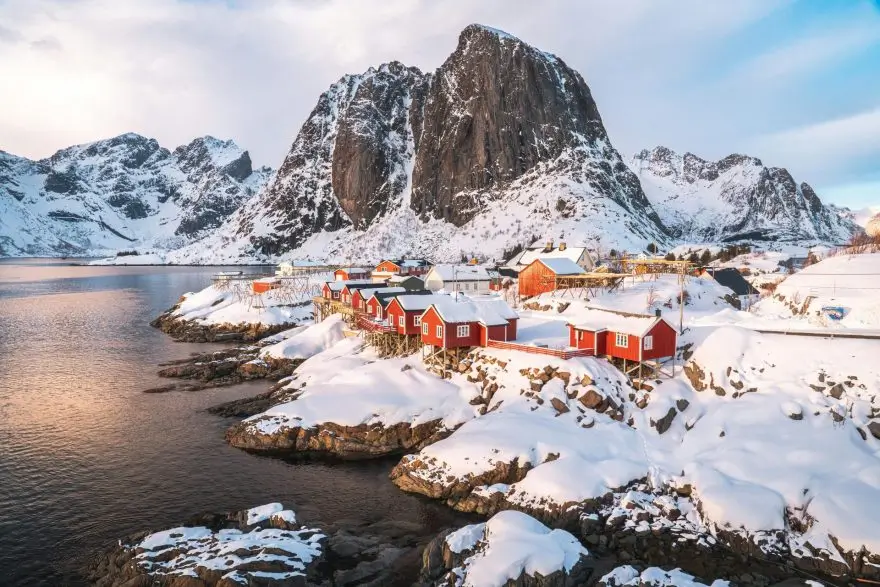
Environmental Challenges of the coastal Lofoten are one of the topical problems of modern times. These coastal areas are not only geographical areas, but living ecologies where the people, culture, and nature intersect. The citizens of the coast have been dependent on the sea to feed, earn their living, and also as a culture over the centuries. Nevertheless, the gross industrialization, global warming, and unrealistic human activity are now putting the foundation of this balance at risk. Human life and dignity are hurt when the coast is hurt. This is the reason why the need to safeguard the coastal environment should be regarded as a universal human right, directly connected with survival, health, and justice.
The central issue in these struggles is that of the precarious ties that exist between man and nature. The ocean offers fish, clean water, and natural storm protection, which is also becoming overwhelmed. Habitat destruction, rising sea levels, and pollution are not abstract concepts; they are turning into food insecurity, economic struggles, and loss of cultural heritage. Lofoten coastal areas are known to have environmental problems that cannot be overlooked because they are the communities that should be considered in terms of basic rights. Pollution Prevention of these coasts implies the assurance of clean waters, healthy biodiversity, and a secure livelihood system for future generations.
It is not merely an environmental discussion, but a moral issue. It is the right of everyone to live in a healthy and balanced environment in which natural resources are utilized and distributed equally. Not only do marine life die when the ecosystems fail, but the right to food, health, and culture also die along with the life. Through an in-depth analysis of the issues that the coastal regions of Lofoten were experiencing, we can start to see how there is a dire need to come up with sustainable solutions that would not only respect the integrity of nature but also he dignity of the human being. The paper will focus on shedding light on these important issues, their effect, and why prompt action is not a decision but a must.
Understanding Lofoten’s Coastal Ecosystem
The Lofoten coastal ecosystem is ranked among the most diverse and biologically rich areas of the world. These waters are a blend of cold and nutrient-rich waters, making it a place where life can flourish. The marine biodiversity is also a focus of fish populations like cod, herring, and mackerel that serve as a main source of food chains around the world. These stocks of fish keep local fishermen in business; the fishermen, as well as aquaculture, keep them busy, and the tourists who come to see the authentic maritime society also come to see the fishermen.
However, beyond economic aspects, the environmental issues of the coastal regions of Lofoten point to the fact that these ecosystems are also cultural heritage. Centuries of harmony with the sea have seen the community of the coastal communities develop traditions, festivals, and lifestyles tied to the sea life. The loss of this balance would not only damage nature but also cause the loss of hundreds of years of tradition. Caring about the ecosystem is hence safeguarding biodiversity as well as cultural rights.
The other important feature of the coast of Lofoten is its contribution to environmental stability. The rocky shores, fjords, and wetlands serve as natural shock absorbers in storms, minimizing the chances of coastal erosion and flooding. They offer secure breeding areas to the birds and safe havens to marine animals. When these natural systems fail as a result of human intervention or lack of care about the environment, it turns out to be an overt assault on the right to live in safety and dignity. It is a shared human responsibility to protect them.
Climate Change and Its Impact
One of the most pressing environmental problems of the Lofoten coastal areas is climate change. The increase in sea levels poses a threat of drowning low-lying coastlines, beach erosion, and the destruction of delicate ecosystems. These changes are not hypothetical explanations, but they are already apparent in the receding shore, the melting ice, the erratic tides. In case these tendencies persist, the people living on the coasts can lose their homes, the feeling of being safe, and the right to a safe future.
Among the worst consequences is the warming of the sea temperature. Warm waters interfere with migration patterns of fish, lower breeding success, and pose a threat to species that require cold and nutrient-rich environments. To take an example, the cod population, which has always been regarded as the backbone of the Lofoten fishing business, is facing the challenge of changing climatic conditions. When fish stocks are destroyed, it will not only destroy the marine ecosystems, but it will also deny people the right to food, which is one of the fundamental human rights.
Extreme weather is also propagated by climate change. Unpredictable rainfall patterns, floods, and coastal storms cause pressure on local livelihood and infrastructure. There is a threat to fishing ports, aquaculture industries, and tourism enterprises. Every tragedy is not only the loss of the environment but also the loss of the right of people to stability and safety. Addressing climate change in Lofoten is not a choice; thus, it is both a moral obligation to international justice, environmental rights, and the equity of generations.
Overfishing and Marine Resource Depletion
The topic of overfishing has become one of the most urgent environmental issues in the coastal areas of Lofoten over the past decades. Coastal livelihoods have always been reliant on fishing; however, when the ocean can no longer sustain its catches, it leads to stock depletion and an imbalance in the entire food web. Of particular susceptibility are local fish populations, in particular, those with slow reproduction, or those that spawn in limited areas of coastlines. This not only poses a threat to biodiversity but also to the human right of obtaining livelihoods and food by the people living along the coastlines. Sustainable fisheries management, thus, is an ethical and ecological requirement.
The causes of overfishing are numerous: growing demand, more effective equipment, and occasionally lax monitoring and enforcement in the coastal waters. The outcome is a reduced number of adult breeders, reduced capture volumes, and distorted species assemblage (e.g, small fish or bycatch replacing previously predominant stocks). Such changes have a trickle-down effect: predators are deprived of food, seabird colonies decrease, and traditional fishing knowledge is more difficult to use. This needs to be balanced by the combination of a combination of science-based quotas, conservation of spawning grounds, better monitoring, and the effective involvement of fishermen in the decision-making process.
The problem is systemic, and hence the solutions need to be layered. Temporary solutions such as seasonal shutdowns and gear limits lessen the pressure in the short term. Mid-long-term strategies, including no-take zones that are regulated by the local people, adaptive quota regimes, and investing in other livelihoods, assist in restoring stock resilience. These reforms should be framed as protecting both biodiversity and human rights (food security, cultural survival, economic dignity), a move that attracts more widespread backing of the conservation efforts and makes them more fair and sustainable.
Pollution Threats in Lofoten’s Waters
The problem of pollution is a complex threat to the coast of Lofoten, and it manifests itself both directly and indirectly. Plastic debris and microplastics are deposited on beaches, in fjords, and intestines of marine life, ruining habitats and finding their way to the food chain. Traffic includes the risk of oil spills and chemical contamination, and the application of land-based runoff (including nutrients, pesticides, or sewage) may lead to eutrophication as well as harmful algal growths. These contaminants lower the quality of water, diminish fishing grounds, and as well as the right to a clean and healthy environment.
The main types of pollution to be observed are:
- Plastics and microplastics: durable, portable, and easily consumed by sea creatures.
- Oil and chemical spill. This is an acute, high-impact event that destroys the local ecosystem.
- Nutrient runoff: due to agriculture or inadequately controlled aquaculture, which causes oxygen deficiency.
- Marine noise and light pollution disrupt the behaviour and reproduction of animals.
Addressing pollution should include prevention and remedies. Prevention entails tighter regulations towards waste management, sustainable tourism, enhanced port regulation, and enhanced shipping regulation. The remediation could involve beach cleanups, specific removal of abandoned equipment, and restoration of damaged habitats, including eelgrass beds and intertidal areas. Notably, pollution mitigation should be handled with pollution control as a process of safeguarding human rights, such as clean water, healthy food, and a healthy environment for the present and future generations, so that the policies have moral significance, rather than economic valuation.
Aquaculture and Environmental Concerns
The Lofoten coastal regions are facing an opportunity and a threat as far as aquaculture is concerned. On the one hand, controlled aquaculture is capable of diversifying income and decreasing the pressure on the wild stock, as well as providing healthy protein. Conversely, unplanned farms may also be the source of disease, parasites (such as sea lice), nutrient pollution, chemicals, and farmed fish that escape pollution, interbreeding, or competing with the wild population. Such effects can add to the existing stresses due to overfishing and climate change, weakening the ability of marine ecosystems to withstand and the rights of coastal communities that rely on marine ecosystems.
Environmental issues relating to aquaculture tend to be situation and place-specific. In closed fjords, the high density of open-net pens may concentrate wastes and pathogens; use of genetically different escapees can change the genetics of the wild populations; and there are downstream effects of using antibiotics or chemicals on non-target species. The proposal of these problems requires more robust siting regulations (location of farms that would allow waste to be harmlessly dispersed), better husbandry (reduced stocking density, better-formulated diets), technology changes (closed containment systems, vaccines), and transparent monitoring to enable the communities to view actual data regarding the environmental performance.
After all, the aquaculture debate is not regarding the rejection of farming, but rather adjusting it to the sustainability and human rights system. These are regulations ensuring water quality and wild biodiversity, benefit-sharing with the local people, and ongoing scientific evaluation. When conducted properly, i.e,. Reducing pollution, avoiding escapes, and focusing on the well-being of the ecosystem, aquaculture can be regarded as a component of a balanced coastal economy, but not the other cause of degradation.
Tourism Pressure on the Coastal Environment
Tourism has been developing at a very high rate, and it is currently an economic resource as well as one of the biggest environmental issues to be managed in the coastal parts of Lofoten. As much as travelers contribute to revenue, cultural exchange, and awareness of the natural beauty, they also cause environmental stress. Local infrastructure usually cannot cope with waste, sewage, and transport during the high tourist seasons. Beaches are overcrowded, hiking trails are washed away, and sensitive wildlife habitats are disturbed. These effects are detrimental to the ecological balance and to the right of the locals to a healthy and safe environment.
There are also indirect pressures developed by tourism. Emissions released through increased vehicle traffic, cruise ships release waste, and the requirement to provide accommodation expand the coastal development. Although eco-tourism activities are set to minimize destruction, not all tourists sustainably conduct themselves. Littering, off-trail hiking, and disturbance of wildlife are examples of how human activities can cause unintended destruction of vulnerable ecosystems.
There has to be cooperation between the local government, companies, and tourists to come up with solutions. The balance between tourism and conservation can be achieved through more robust waste management, sustainable transportation, strict tourist codes of conduct, and capacity in sensitive sites. In a new language, as the safeguarding of human rights, clean environments, secure livelihoods, and cultural integrity, these measures are more than rules: they are moral obligations to future generations and to the communities of the coasts.
Coastal Development and Habitat Loss
The growth along the coast can be promised to lead to economic growth, but it may cause irreparable losses to nature. One of the most acute environmental issues in the coastal areas of Lofoten is the expansion of ports, roads, residential zones, and industrial zones on the beach. Wetlands, dunes, and rocky beaches that were formerly used as erosion protection or nurseries are continuously giving way to concrete. The outcome of this is the destruction of habitats, loss of natural resilience, and exposure to storm and flood disasters.
The development also affects the traditional land use and cultural landscapes. Communities living along the coast and depending on the natural areas to fish, recreate, and hold their cultural heritage have their rights limited. Once the habitats are gone, the seabirds do not have places to breed, the fish stocks become smaller, and the food web in general becomes weaker. All the lost wetlands and recovered beaches are not only environmental losses, but violations of the right to observe a balance between the people and nature.
There is therefore a need for sustainable coastal planning. The government needs not only to implement more rigorous environmental impact analysis, but also to mark the areas of ecological concern as no-build sites and focus its efforts on restoration efforts where the harm has already been done. The development can be achieved by allowing the habitat to survive through the use of alternatives like environmentally-friendly infrastructure, low-impact housing, and green buffer zones. It is not a matter of halting growth but requiring it to be such that ecosystems and people can co-exist, respecting their right to live.
Renewable Energy Projects and Controversies
In coastal regions, renewable energy is usually perceived as a remedy to climate change, but on its own, it can cause some controversies. The new environmental issues engaging the Lofoten coasts include offshore wind projects, tidal energy development, and other renewable projects that have been seen in the coastal areas. Even though they decrease reliance on fossil fuels, they also cast doubts on their effects on marine biodiversity, fisheries, and the local landscape.
An example is that offshore wind turbines may interfere with bird migration pathways, cause underwater noise that has an impact on marine mammals, and change fish habitat. Most frequently, fishermen complain of losing control of their traditional fishing grounds to energy infrastructure. Human-rights-wise, the energy transition should not infringe on the rights of the local population to stay in business, or the right of the ecosystem to stay intact. Clean energy is a sensitive yet important thing to balance with ecological preservation.
To solve these controversies, there must be an open plan of action, good community involvement, and an environmental evaluation. The renewable projects should be developed to have minimal impact on the ecology – this means that such an underwater location should be chosen, the technology employed should be low-risk, and compensatory conservation areas should be set aside. It is only then that renewable energy can be, in fact, consistent with the larger human rights context of ensuring environmental well-being and climate stability for future generations.
Policy and Governance Challenges
The issue of governance is one of the most complicated environmental problems of the Lofoten coastal regions. The saving of fragile ecosystems entails solid policies, yet legislation tends to be inconsistent, lax, or serves to cater to short-term economic motives. The poor governance facilitates the uncontrollable fishing, uncontrolled pollution, and uncontrollable coastal development, which in most cases go at the cost of nature and the locals. According to the human-rights view, this is a failure to protect the right of people to a healthy environment.
The challenges of governance embrace overlapping mandates between local and national authorities, low resources to monitor and enforce, as well as poor involvement of communities in decision-making. On paper, the policies may appear robust, but in practice, they will fail when there are no checks and balances. As an example, fisheries quotas can be established, and even illegal or unreported catches are not going to support stock recovery. In the same way, it may have environmental assessment requirements, though the development projects are at times forced to omit the assessment in favor of economic development.
More open, participatory, and responsible governance structures are the way out. There is a need to have stronger enforcement mechanisms, increased funding of environmental agencies, and an active role of local communities in policy formulation. Through empowering people in making decisions, the governance practice is more fair, which is the principle that the protection of the environment is not a choice, but rather a right.
Conservation Efforts and Solutions
There are numerous conservation projects undertaken to save the coastal conservation in Lofoten, although the challenges are overwhelming. These endeavors show that it is possible to restore balance with the help of determination and collaboration, as well as science-based strategies. Marine protected areas, such as those, help to protect important habitats where fish can breed, seabirds can nest, and the ecosystems have the opportunity to heal. The establishment of no-take zones gives the biodiversity a chance to recuperate, and the result is that both nature and man will gain.
Sustainable fishing programs, including the establishment of catch limits, the types of fishing equipment, and the promotion of community-based management, are also used in conservation. Reforms in aquaculture, eco-tourism projects, and habitat restoration projects are all adding to the recovery of damaged ecosystems. Notably, such efforts are often led by NGOs, researchers, and local communities, demonstrating that conservation is best served when it is made ground-based.
Defining conservation as a human right reinforces the moral authority of conservation. Safeguarding clean water, healthy fish stocks, and a strong coastline implies safeguarding the right of future generations to life and prosperity. Conservation is not an act of charity, but of justice. All marine reserves, sustainable practices, or restored wetlands are a pledge to uphold the rights of people and nature.
Technological Innovations for Sustainability
There are numerous conservation projects undertaken to save the coastal conservation in Lofoten, although the challenges are overwhelming. These endeavors show that it is possible to restore balance with the help of determination and collaboration, as well as science-based strategies. Marine protected areas, such as those, help to protect important habitats where fish can breed, seabirds can nest, and the ecosystems have the opportunity to heal. The establishment of no-take zones gives biodiversity a chance to recuperate, and the result is that both nature and man will gain.
Sustainable fishing programs, including the establishment of catch limits, the types of fishing equipment, and the promotion of community-based management, are also used in conservation. Reforms in aquaculture, eco-tourism projects, and habitat restoration projects are all adding to the recovery of damaged ecosystems. Notably, such efforts are often led by NGOs, researchers, and local communities, demonstrating that conservation is best served when it is made ground-based.
Defining conservation as a human right reinforces the moral authority of conservation. Safeguarding clean water, healthy fish stocks, and a strong coastline implies safeguarding the right of future generations to life and prosperity. Conservation is not an act of charity, but of justice. All marine reserves, sustainable practices, or restored wetlands are a pledge to uphold the rights of people and nature.
Community Involvement and Awareness
The human factor is the biggest reaction to the environmental issues that the coastal regions of Lofoten are experiencing. Local communities, in particular fishermen, guides, and families who have generations of knowledge relating to the sea, have special knowledge about the ecosystem. Their experiences of changing fish stocks, weather changes, and diminishing bird populations can contribute a lot of information that would otherwise be impossible to achieve by scientific knowledge bases. Ecology is not all about the protection of the coast; it is also about the respect of the cultural rights of the communities whose lives are bound to the sea.
Educational programs and the establishment of awareness are crucial. The residents and visitors will become more inclined to the idea of sustainable practices when they learn about the vulnerability of the coastal environment. The culture of environmental stewardship is developed by schools educating children on marine ecology, tourism programs aiming at leave no trace conduct, local festivals with the focus on coastal heritage, etc. These efforts declare that taking care of the environment is not a policy, but a collective community duty.
Accountability is also enhanced by community involvement. Policies are more realistic, practical, and effective when there are local voices in governance and conservation decisions. Involvement will mean that measures are equitable, that they take into account human rights, and reconcile ecological ambitions and cultural and economic realities. By so doing, the communities are not only beneficiaries of environmental protection but also leaders in its design.
Case Studies
There are real-life examples of the dangers and achievements of the work done to resolve the environmental dilemma that the Lofoten coast has to face. Indicatively, the setting up of marine protection areas has recorded an increase in biodiversity in a matter of years. When space and time are provided, fish populations will recover, seabird colonies will stabilize, and ecosystems will start to regenerate. These success stories show how successful nature can be when the pressure caused by humans is minimized.
The other example is sustainable fishing cooperatives. Some local organizations have demonstrated that economic sustainability can be adaptable with environmental accountability by installing voluntary quotas, selective equipment, and policing their actual practices. Not only are these cases models of conservation, but they are also examples of justice, showing how communities can protect their right to food security and still exist within the constraints of the environment.
Other Arctic and coastal areas of the world can also teach us some lessons. Iceland’s fisheries management and Indigenous-led marine stewardship in Canada are paralleled by the fact that solutions can be relocated with adaptations to the local conditions. These case studies are reminders that even though the challenges are global, resilience can be achieved when knowledge, tradition, and innovation join forces.
The Future of Lofoten’s Coastal Areas
In the future, the destiny of the Lofoten seaside regions will rest upon the present-day decisions. Unless unsustainable fishing, uncontrolled development, and the increased pollution rates are reversed, the impacts will be drastic: collapsing fish stocks, poor ecosystems, and reduced rights of future generations. However, with sustainability being taken into consideration by communities, governments, and industries, the coasts can continue to be sources of life, culture, and security even centuries to come.
The way ahead is a compromise between ecological integrity and economic opportunity. A resilient future can be achieved through renewable energy, eco-tourism, sustainable aquaculture, and community-led conservation. This balance, however, can be maintained only when the policies take into consideration the moral aspect: that clean water, healthy ecosystems, and safe livelihoods are human rights.
The future vision should not be on how to survive, but it should be on how to thrive with nature blooming, people are well off, and heritage is maintained. The nature of environmental issues that Lofoten is currently struggling with in its coastal regions is enormous; however, it is also a chance to prove to the world that the region can be a leader in the aspects of sustainability. We can make the future generations experience the benefits of the work of the Lofoten coasts by not regarding environmental protection as charity, but as a form of justice.
FAQs
What are the main environmental challenges facing Lofoten’s coastal areas?
The most significant threats are overfishing, pollution (plastic and oil, and chemical waste), unsustainable aquaculture, climate change, tourism pressure, and coastal development. All these pose threats to the biodiversity, environment, and the human right to a safe environment.
How does tourism affect Lofoten’s coastal environment?
Tourism offers economic gains, yet causes strain of waste, congestion, and trail erosion in addition to disturbance of the wildlife. Tourism may destroy the ecological balance without adequate management. Strict waste management and sustainable eco-tourism are the way out.
Why is aquaculture controversial in Lofoten’s coastal areas?
Even though aquaculture offers food and employment, it is a source of pollution, disease spread, and the release of farmed fish into the wild. These effects should be reduced through sustainable practices, which include closed systems and improved monitoring.
What role does climate change play in Lofoten’s environmental challenges?
Due to climate change, the sea temperatures are changing, the pattern of fish migration is shifting, and extreme weather events are on the rise. Coastal erosion also poses a threat due to the rising sea levels. Such transformations have a direct impact on ecosystems and the rights of communities that depend on them.
How can local communities help protect the coasts?
Local communities are also important with their sustainable fishing activities, their involvement in conservation programs, as well as creation of awareness. Their cultural expertise, along with scientific information, adds to the resilience of coastal areas and the fact that policies do not violate human rights.
Are there successful conservation efforts in Lofoten?
Yes. The implementation of marine protection, community-based management of fisheries, and eco-tourism has demonstrated good outcomes in restoring biodiversity and balancing economic and ecological demands. The examples demonstrate that sustainability can be achieved through commitment.
What are the risks of coastal development in fragile ecosystems?
Haphazard development will destroy the wetlands, nesting sites of birds, and fish habitats, and will also expose the area to erosion and flooding risks. An environmental assessment that is strict to guarantee the long-term sustainability of the coastal rights and ecosystems is necessary.
How can technology help solve environmental challenges in Lofoten?
The use of technologies such as satellite surveillance, intelligent aquaculture, and alternative uses of renewable energy can help to minimize ecological impact. They should, however, be used morally, without violating the local practices and ecosystems.
Conclusion
The fact that the coastal areas in Lofoten are encountering environmental issues is not just a matter of ecological problems but rather a matter of morality and human rights. The coasts are not mere landscapes; it is a living ecosystem, supplying food, safety, culture, and identity. All overfishing, pollution, thoughtless tourism, and unregulated development are actions that destroy the rights of the present generation as well as future generations. These coasts are not to be guarded by choice, but it is a responsibility toward people, nature, and the planet as a whole.
The way forward lies in unity. Balance can be put back through strong governance, innovative technologies, conservation, and most importantly, community participation. The solutions can already be seen in marine reserves, sustainable fisheries, and awareness campaigns that give the voices of local people more power. The only thing required is the boldness of extending them and applying them across the board.
Lofoten could have a future of robustness and plenty in case humankind realizes its role in the present day. This human right, by positioning environmental stewardship, is a step away away the short-term exploitation towards the long-term justice. The sea does not just bequeath us–it is our duty to preserve, so that future generations can also have a clean sea, a flourishing ecosystem, and a safe and dignified life.
