
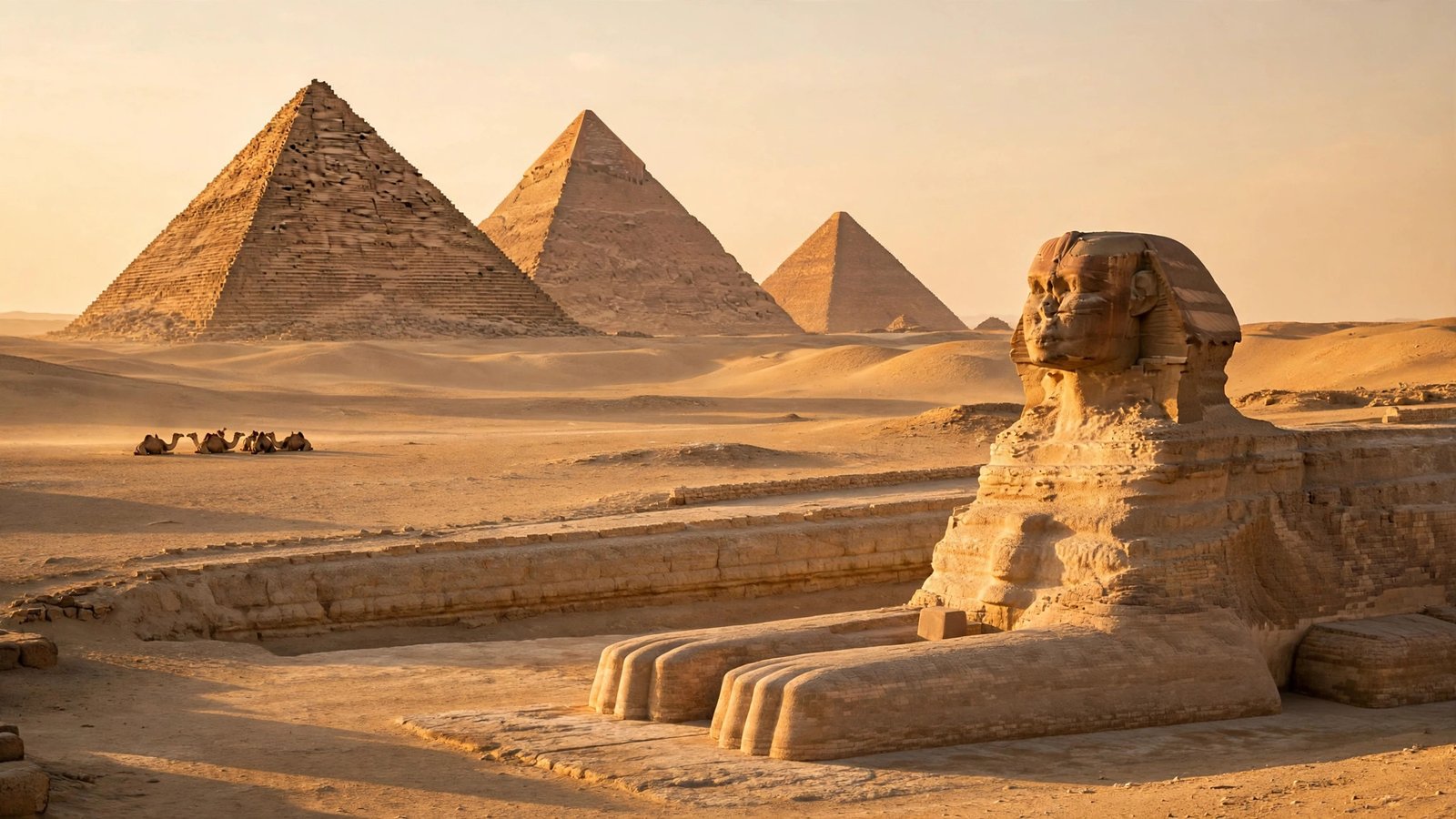
Egypt carries the most serious advisory in this series of guides, and it deserves to be read precisely and calmly rather than feared vaguely from a distance. The US State Department rates Egypt Level 3 — Reconsider Travel — due to terrorism. That is a real warning, aimed at real geography: the northern and middle Sinai Peninsula, the Western Desert outside organized tours, and Egypt’s border areas.
It is also true that the Egypt tourists actually visit — Cairo and the pyramids, Luxor and Aswan on the Nile, the Red Sea resorts — runs on a tourism-security apparatus built over decades, and that the country’s record year for visitor numbers came recently, not in some distant safer era. Is it safe to travel to egypt? For the prepared traveler on the classic circuit, the honest answer is: reconsider, understand, and then decide with your eyes open. This guide gives you the map to do exactly that.
is it safe to travel to egypt right now
Is it safe to travel to egypt right now begins with the advisory’s own geography, because Level 3 is not a blanket description of the country. The State Department’s “do not travel” zones within Egypt are specific: the Northern and Middle Sinai Peninsula (terrorism), the Western Desert without a licensed tour company (military zones and criminal activity), and border areas (military zones). The embassy also notes its limited ability to help dual US-Egyptian citizens who are detained, because Egypt treats them as Egyptian citizens — a detail that matters to a specific, sizable group of travelers and to no one else.
The grievance behind the level is terrorism: extremist groups have expressed intent against religious sites, government facilities, and tourist locations, and attacks have occurred in past years, including against Coptic Christian sites and, historically, in resort areas. The counterweight is visibility: Egypt guards its tourism economy with checkpoints, site security, tourist police, and convoy-style organization on some routes, at a scale visitors consistently remark on. Read the current text on the State Department’s Egypt country information page before deciding — Level 3 advisories change, and the page also carries the latest on demonstrations (protesting without a permit is illegal and arrests occur) and on social-media posts, which have led to detentions of visitors critical of Egypt. Enroll in STEP as a matter of course. For what Level 3 means relative to the other ratings in this series, see our advisory levels explainer.
egypt travel safety tips
These egypt travel safety tips organize the classic circuit the way Egyptians run it — the shape of the trip is itself a safety feature:
- Use the structured tourism system. Licensed guides and drivers, hotel-arranged transfers, and established tour companies are not upsells in Egypt; they are how the country moves its visitors, and they dissolve the friction (touts, negotiation ambushes, wrong turns) that generates most bad experiences.
- Cairo traffic is its own risk category. The city is magnificent and its roads are anarchic. Experienced visitors do not drive themselves; they use hotel cars, reputable drivers hired by the day, or Uber, which operates in Cairo, and they cross streets with a local’s calm assertiveness or not at all. Treat every journey across the city as an event in itself and allow twice the time the map suggests.
- Dress and behave with the culture. Egypt is socially conservative. Modest dress — especially for women at mosques and in non-resort neighborhoods, and for everyone at religious sites — measurably changes how the day goes. Public drunkenness and public displays of affection draw the wrong kind of attention; alcohol belongs in licensed venues and resorts.
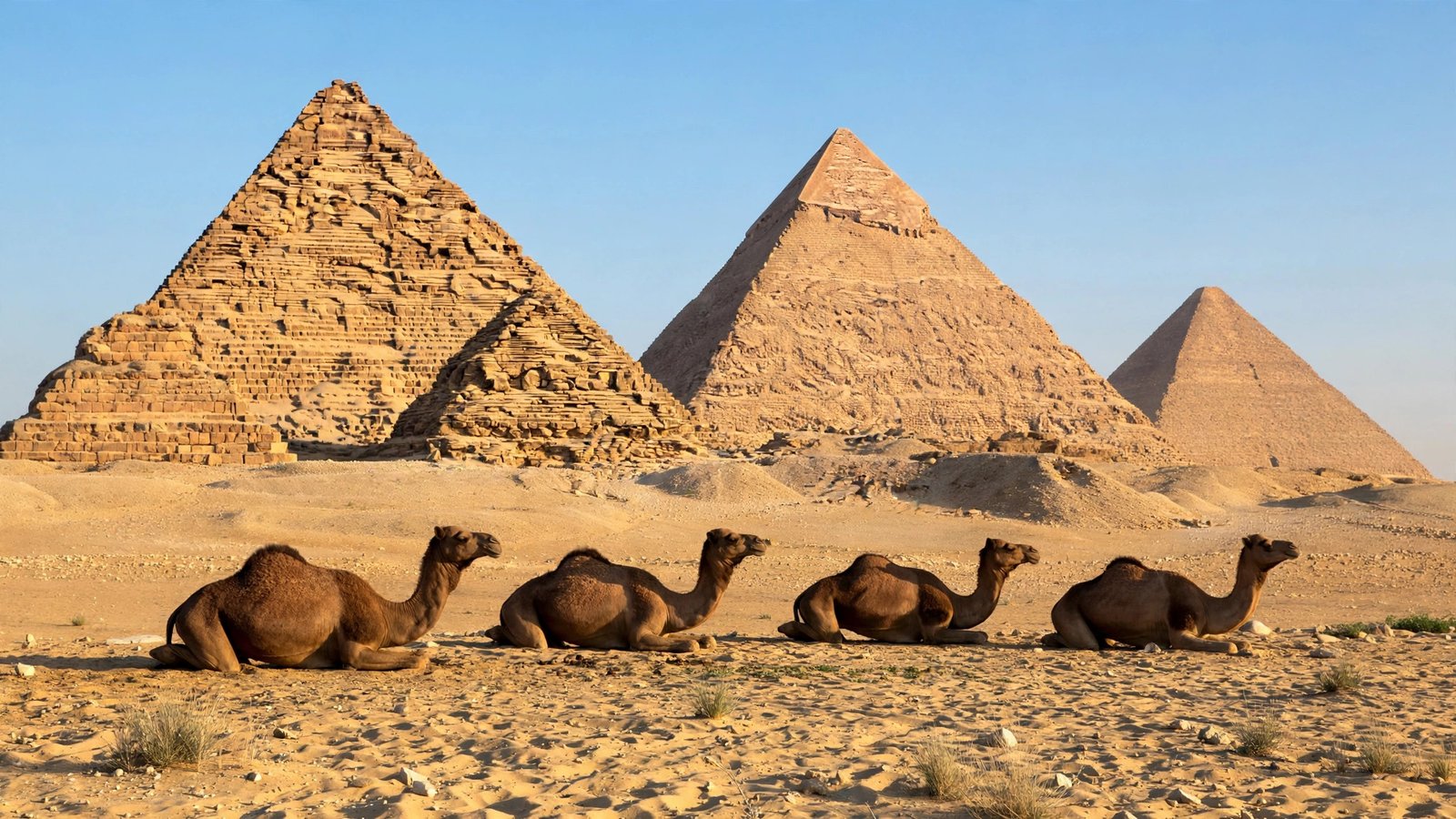
- Master the small negotiations. At Giza and every major site, camel and carriage rides, “guides,” and photo helpers will attach themselves with prices settled “later.” Agree every price, in full, before any service begins — or hire your licensed guide first and let them run interference. A firm, smiling “la, shukran” (no, thank you) is the essential phrase.
- Photograph thoughtfully. Military installations, government buildings, bridges, and the Suez Canal are off-limits to cameras, and drone importation is prohibited without permits most tourists will never get — leave the drone home.
- Health basics pay double here. Stick to bottled water, be selective with raw foods outside good restaurants, and respect the sun and the heat, which are genuine hazards at exposed sites like the Valley of the Kings in summer.
Cairo, Luxor and the Nile: the circuit as it actually runs
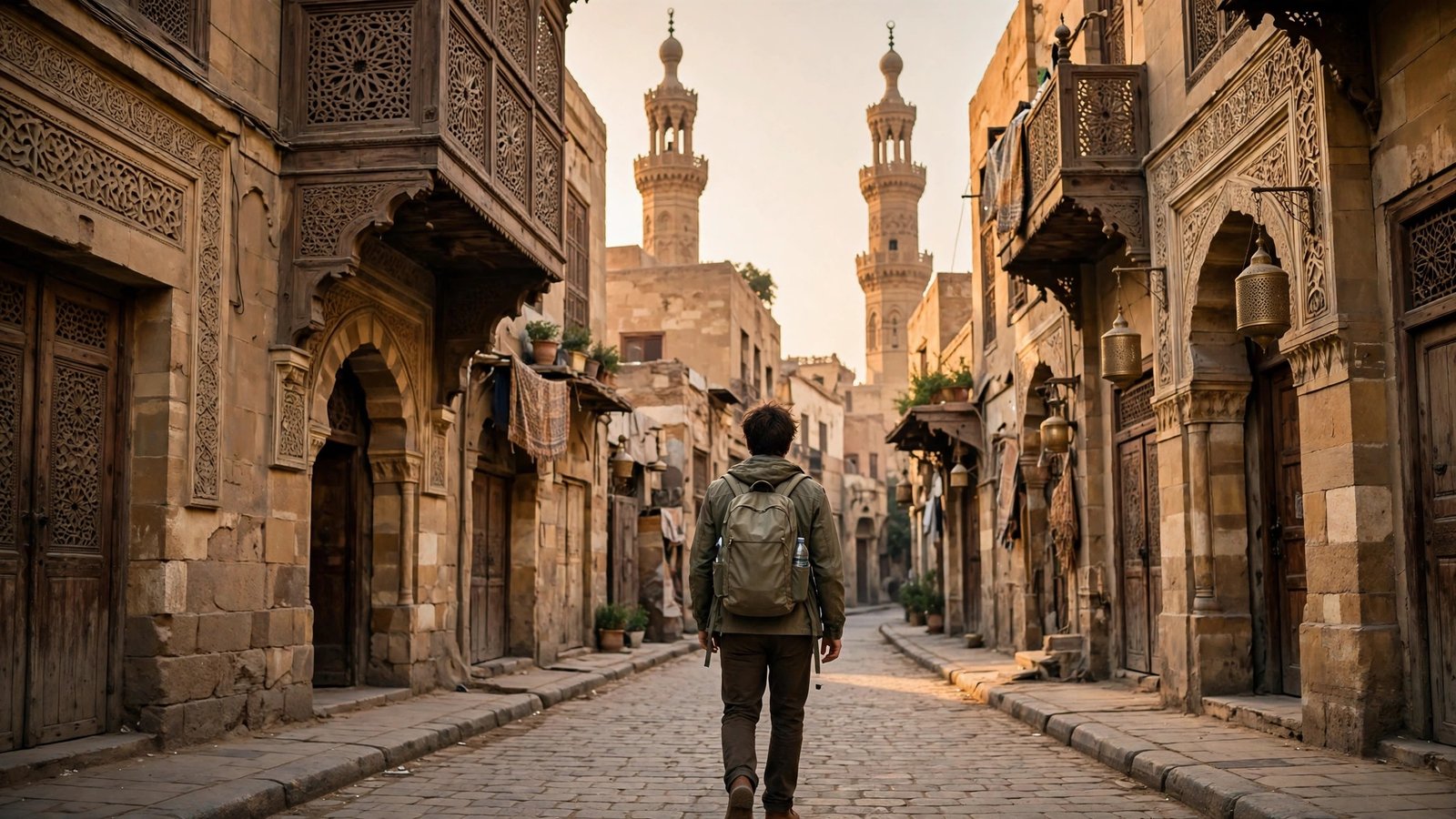
Greater Cairo holds the pyramids of Giza, Saqqara, the Egyptian Museum’s treasures (increasingly at the new Grand Egyptian Museum near Giza), Islamic Cairo’s mosques and markets, and Coptic Cairo’s churches. It also holds some twenty million people and the region’s most intense street energy. Tourists experience it best in the guided pattern — a driver and guide for the day dissolves distance, negotiation, and navigation into one relationship — and the areas visitors base in (Zamalek, Garden City, Giza’s pyramid-facing hotels, and the established districts) are well-policed and accustomed to foreigners.
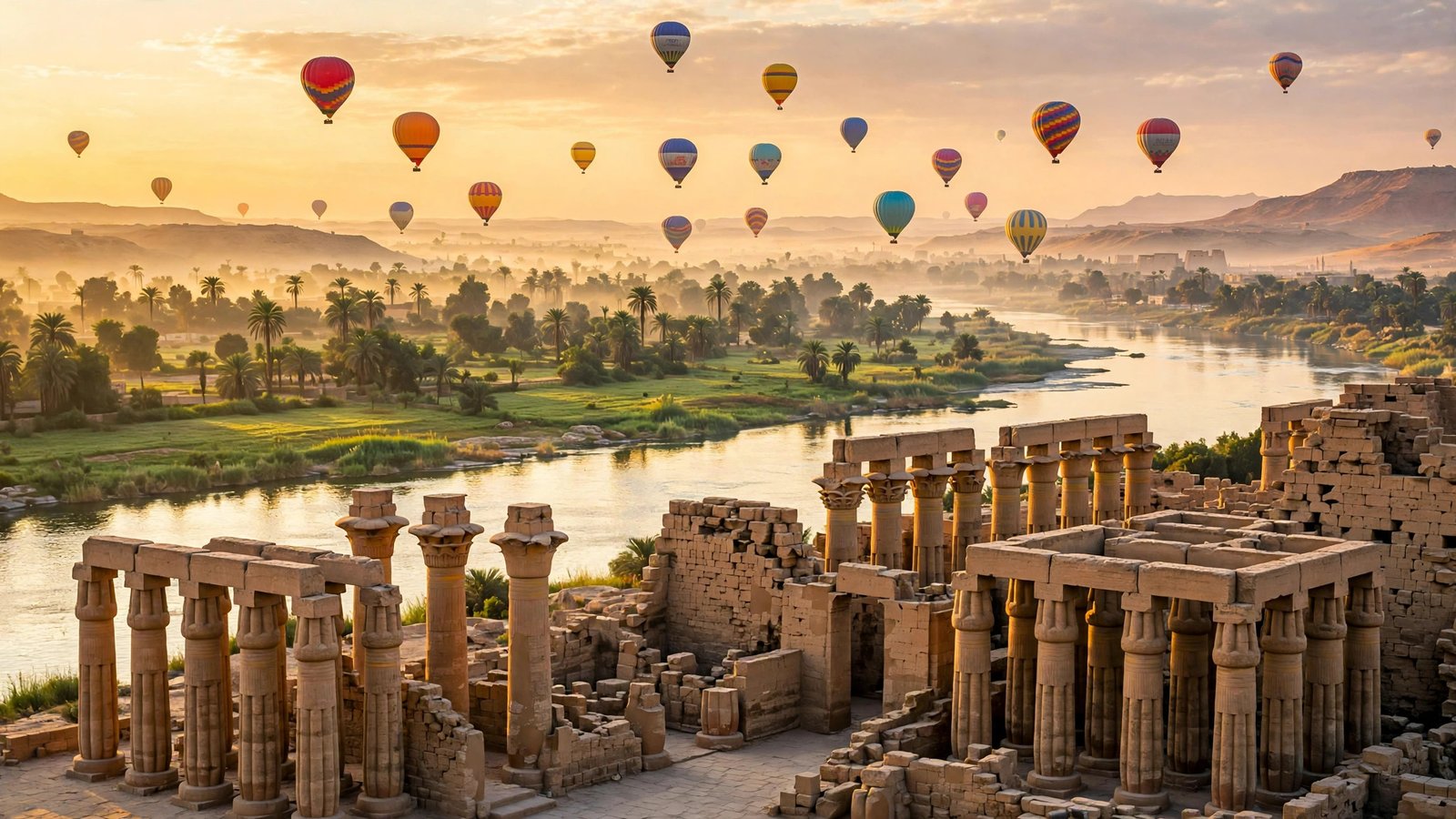
Luxor and Aswan, joined by the Nile cruise circuit, are the serene counterweight: smaller, slower, temple-dense cities where the tourism plant is the economy. The classic route — fly or take the sleeper train south, cruise or base between Luxor and Aswan, visit Karnak, the Valley of the Kings, Philae, and Abu Simbel by organized excursion — is the most structured itinerary in Egyptian travel, and structure is safety’s best friend. Abu Simbel convoys and early departures exist precisely so the system, not the traveler, manages the desert road.
The Red Sea and Sinai question
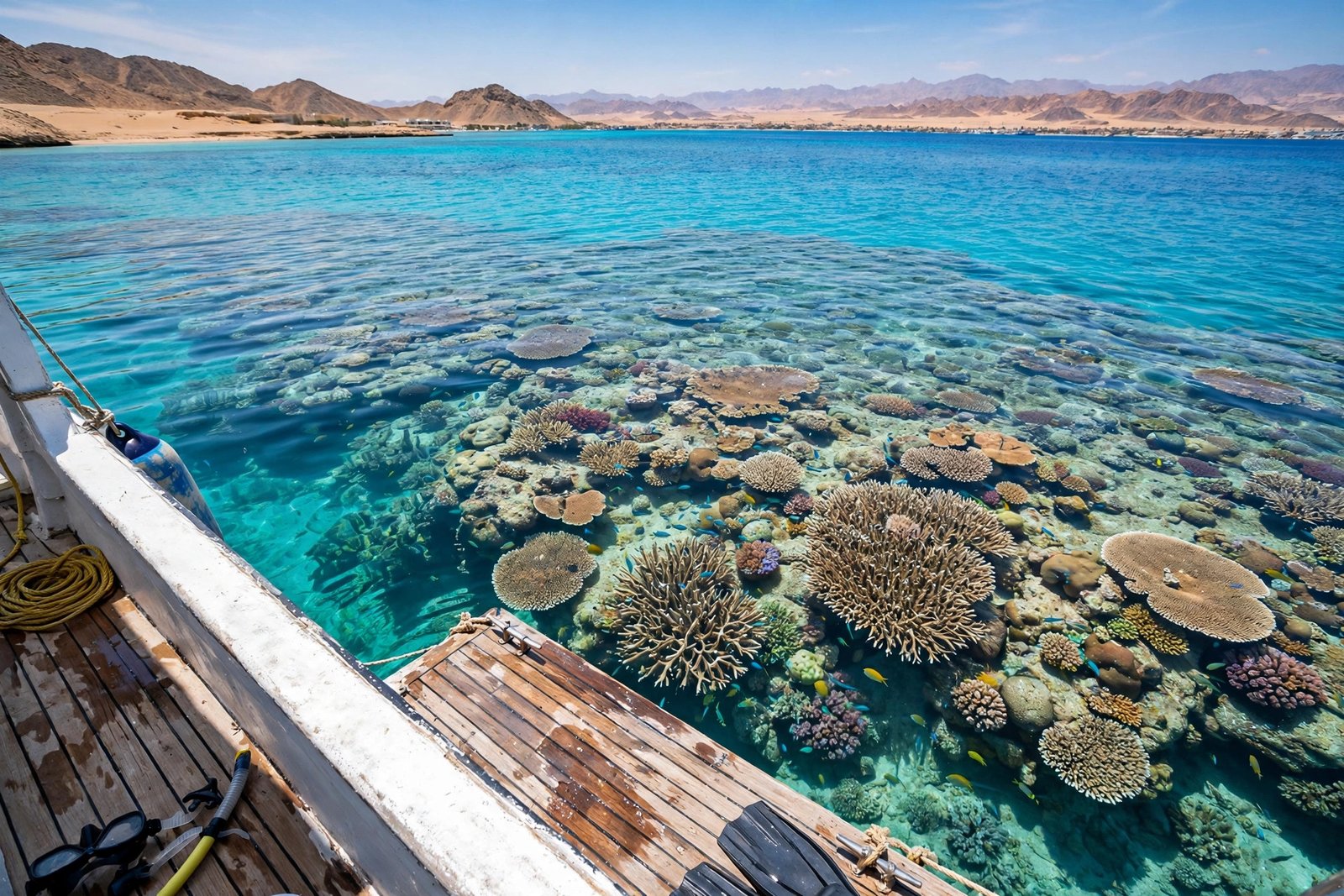
The Red Sea resorts split into two advisory stories. Hurghada, El Gouna, and the mainland coast sit on Egypt’s African shore, outside the Sinai warnings entirely, and operate as self-contained charter-and-package resort zones with airport-to-resort transfers — the lowest-friction Egypt beach product. Their risk conversation is about water safety, sun, and excursion selection, not security headlines.
Sharm El Sheikh sits at the southern tip of the Sinai Peninsula — geographically in Sinai, practically in a different category. The State Department’s Sinai prohibitions target the peninsula’s north and middle; Sharm, in the south, has historically been reached by air and treated by many governments’ advisories as a distinct resort enclave with heavy dedicated security. The responsible approach is literal: read the current advisory text for how it treats Sharm and the southern resorts at the time of your trip, fly in rather than traveling overland through the peninsula, and let the resort system do what it is built to do. Travelers comparing North African destinations will find the parallel discussion in our Morocco safety guide instructive — a different country and rating, the same principle of resort geography mattering more than national headlines.
Insurance, emergencies and the practical file cabinet
Level 3 destinations are where travel insurance stops being a formality. Medical care in Cairo’s private hospitals is good; care in remote areas is not, and medical evacuation is expensive and slow to arrange from a standing start — exactly the combination coverage exists for. Our international travel insurance guide explains the evacuation math that matters for itineraries like Egypt’s desert-fringed circuit. Save the numbers: police 122, tourist police 126, ambulance 123; the US Embassy sits in Garden City, Cairo. Keep your passport’s data page photographed and in the cloud, register with STEP, and tell your bank and phone carrier where you are going, because Egyptian ATMs and networks occasionally treat first contact as fraud.
What a well-run Egypt day actually looks like
It helps to picture the trip working, because the well-run Egypt itinerary has a rhythm that quietly embodies every tip above. You breakfast at the hotel and meet your guide in the lobby — the same guide, ideally, across your Cairo days, because the relationship compounds: by day two they know your pace, your interests, and exactly how much bazaar you want in your life. The driver threads Giza’s approach roads while the guide turns the plateau’s chaos into a sequence: the Great Pyramid before the crowds peak, the solar boat museum, the Sphinx with the story attached. Prices for the camel photo are agreed before anyone mounts anything, because your guide settles it in Arabic in ten seconds.
Midday retreats from the heat to a real restaurant; the afternoon belongs to a museum’s air conditioning. Evenings are the hotel’s neighborhood — Zamalek’s cafés, a Nile dinner cruise booked through a known operator, an early night before the dawn start for Luxor. Notice what is absent from this day: no negotiation ambushes survived, no transport gambles, no wrong neighborhoods stumbled into, no decisions made tired and lost. That absence is not luck or wealth; the guided structure in Egypt is affordable at a scale that surprises visitors used to Western guide prices — it is simply how the destination is designed to be consumed, and consuming it that way is the single largest safety decision you will make.
Frequently asked questions
Is Egypt safe for American tourists specifically?
Americans are not singled out by the advisory’s logic — the risks it names are location-based (zones, gatherings, demonstrations) rather than nationality-based, and American visitors move through the tourist circuit in large numbers. Low profile, structured touring, and current information are the advisory’s own prescription.
Can women travel comfortably in Egypt?
Yes, with dress and awareness adjusted to a conservative society. Women travelers report that modest clothing, a scarf for mosque visits, and using the structured tourism system (plus women-only cars on Cairo’s metro) reduce unwanted attention dramatically. Harassment exists as catcalling and touting persistence; guides and drivers are the practical shield most visitors rely on.
Is a Nile cruise safe?
The Luxor–Aswan cruise circuit is one of the most established, supervised itineraries in the entire country, operated by major companies for decades. Ship selection matters — choose a reputable operator and a vessel with current reviews — and the same sun-and-hydration discipline applies on deck.
What about visiting during Ramadan?
Millions do, and the experience is genuinely memorable: quieter sites by day, electric evenings when the fast breaks. Tourist services continue, with adjusted hours; eating and drinking discreetly in public during fasting hours is the courteous norm outside resorts and restaurants.
The bottom line: Egypt at Level 3 asks to be reconsidered carefully, not reflexively refused. Respect the named zones, travel the circuit the way it is built to be traveled, insure the trip properly, and read the live advisory before you decide — the pyramids have waited forty-five centuries for you, and they reward the traveler who arrives informed.
