
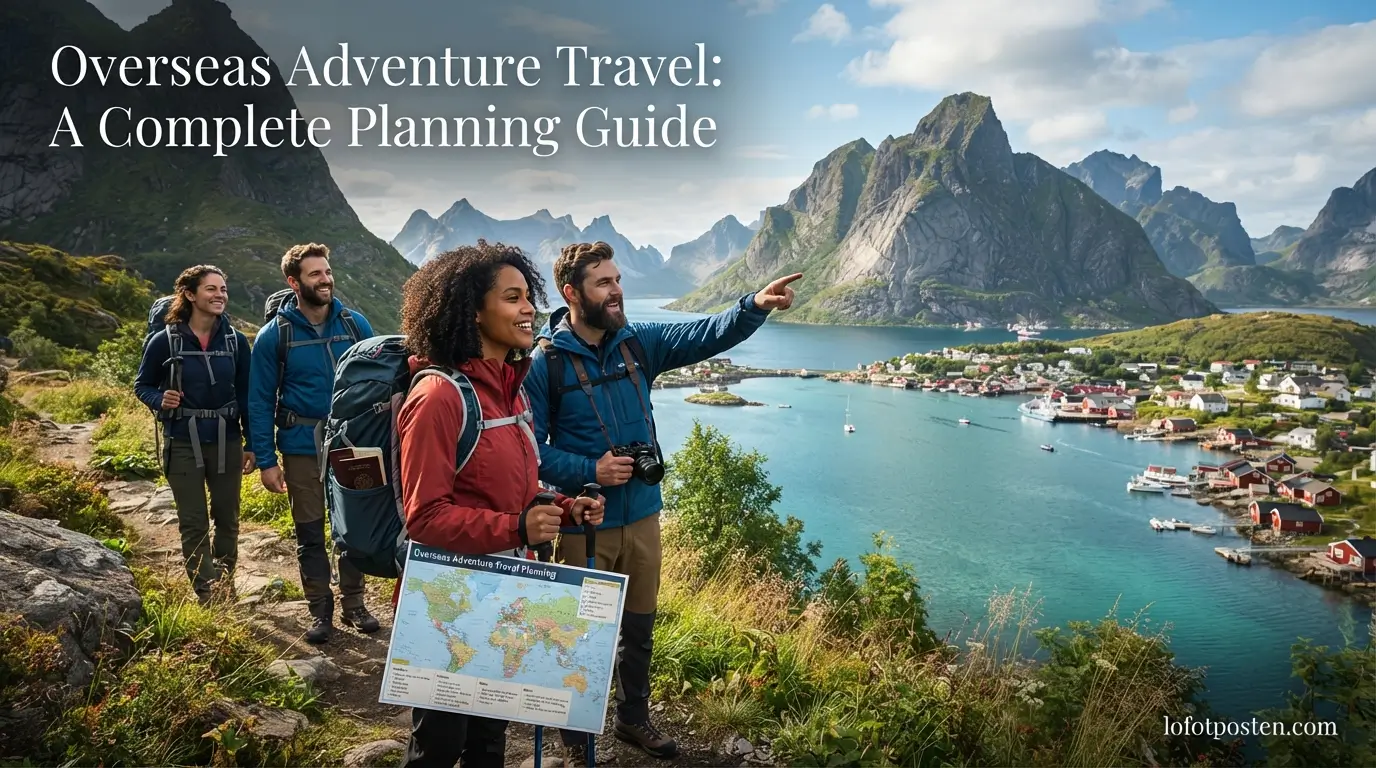
Welcome to Lofotposten. Overseas adventure travel offers more than a typical international vacation. It combines exciting outdoor activities, cultural experiences, natural landscapes, and opportunities to explore places beyond the usual tourist routes. Whether you want to hike through mountain trails, experience local traditions, explore wildlife, or travel through remote regions, an adventure-focused trip can create lasting memories.
Planning an international adventure requires more preparation than booking a standard holiday. You may need to consider your fitness level, travel budget, destination, weather, safety, and required documents. This guide explains how overseas adventure travel works and how to plan an enjoyable, safe, and meaningful trip.
What Is Overseas Adventure Travel?
Overseas adventure travel means visiting another country to enjoy exciting activities, explore natural places, experience different cultures, and discover destinations beyond the usual tourist attractions. It is different from a traditional vacation because the main purpose is not only sightseeing, shopping, or relaxing at a hotel. Instead, travelers actively participate in experiences that help them connect with nature, local communities, and the culture of the destination.
Key Elements of an Adventure Travel Experience
An adventure travel experience combines outdoor activities, natural exploration, cultural discovery, and meaningful local interactions. Travelers may take part in activities such as hiking, trekking, wildlife viewing, kayaking, or exploring scenic locations.
These experiences allow travelers to connect more closely with nature, local communities, and the culture of a destination. Unlike a traditional vacation, adventure travel encourages active participation and creates more memorable and meaningful experiences.
Most adventure trips combine several important elements:
- Outdoor activities and physical exploration
- Cultural immersion and local traditions
- Natural landscapes and wildlife
- Unique or off-the-beaten-path destinations
- Learning experiences and personal challenges
- Meaningful interactions with local communities
The level of adventure can vary widely. Some trips involve easy walking tours and comfortable accommodation, while others include demanding treks or remote expeditions.
Why Choose an Overseas Adventure Trip?
An overseas adventure trip gives travelers the opportunity to explore a destination in a more active, meaningful, and personal way. Instead of spending most of the trip visiting famous landmarks or relaxing at popular tourist spots, travelers can take part in outdoor activities, discover hidden places, and experience the natural beauty of another country. Activities such as hiking, wildlife exploration, cycling, kayaking, and guided local tours can make the journey more exciting and memorable.
Discover New Cultures and Local Traditions
Overseas adventure travel gives visitors a chance to experience the culture of a destination beyond its famous tourist attractions. Travelers can meet local people, visit traditional villages, explore local markets, try regional foods, and learn about customs that are part of everyday life. These activities help travelers understand how people live, work, celebrate, and maintain their cultural traditions.
Connecting with local communities can make an adventure trip more meaningful and memorable. Travelers may learn traditional skills, participate in cultural events, listen to local stories, or stay in locally owned accommodations. Such experiences create a stronger connection with the destination and provide insights that may not be available through regular sightseeing alone.
Explore Nature Beyond Popular Tourist Areas
International adventure travel allows travelers to explore natural places that are often far from crowded cities and well-known tourist attractions. These experiences may include hiking through mountain trails, walking in forests, exploring quiet coastlines, traveling across deserts, or visiting protected wildlife areas. Such destinations offer beautiful scenery and a closer connection with the natural environment.
Traveling beyond popular tourist areas can also provide a more peaceful and authentic experience. Visitors may discover hidden landscapes, observe wildlife in natural habitats, and explore places that are less affected by mass tourism. With the help of local guides and responsible travel practices, adventure travelers can enjoy these unique environments while helping protect nature and support nearby communities.
Build Confidence Through New Experiences
Overseas adventure travel encourages people to step outside their usual routines and try activities they may not experience at home. Learning a new skill, exploring an unfamiliar destination, communicating with local people, or taking part in activities such as hiking, cycling, or kayaking can help travelers become more independent and confident.
Completing a challenging activity or successfully managing a new travel experience can create a strong sense of achievement. These experiences may also improve problem-solving skills, adaptability, and decision-making. As travelers overcome small challenges during their journey, they often return home with greater confidence and a broader understanding of the world.
Popular Types of Overseas Adventure Travel
Overseas adventure travel offers many different experiences, allowing travelers to choose trips that match their interests, fitness levels, budgets, and travel goals. Some people prefer physically active adventures, such as hiking, trekking, cycling, or kayaking, while others enjoy wildlife safaris, cultural tours, scenic road trips, or exploring remote destinations. The right type of adventure depends on what you want to experience and how challenging you want the trip to be. Beginners may choose easy nature walks or guided cultural tours, while experienced travelers may prefer mountain expeditions or multi-day trekking journeys.
Hiking and Trekking Adventures
Hiking and trekking adventures allow travelers to explore mountains, forests, valleys, national parks, and other natural landscapes on foot. These trips can range from short and easy nature walks to challenging multi-day treks that require good physical fitness, proper planning, and suitable equipment. Along the way, travelers may enjoy scenic views, discover remote areas, and experience nature more closely.
Popular hiking and trekking destinations include Nepal, Peru, Switzerland, and New Zealand. Nepal is known for its Himalayan trekking routes, while Peru offers famous mountain trails and ancient sites. Switzerland attracts visitors with its well-maintained alpine paths, and New Zealand provides a variety of coastal, forest, and mountain hikes. Each destination offers different levels of difficulty, making it important to choose a route that matches your experience and fitness level.
Wildlife and Safari Experiences
Wildlife and safari adventures give travelers the opportunity to observe animals in their natural habitats while exploring some of the world’s most beautiful landscapes. These experiences may include guided game drives, nature walks, birdwatching, or visits to protected national parks and wildlife reserves. Travelers may see animals such as elephants, lions, giraffes, zebras, and other native species while learning about their behavior and ecosystems.
Countries such as Tanzania, Kenya, and South Africa are popular destinations for wildlife adventures because they offer diverse national parks and well-known safari experiences. Many guided safaris also teach visitors about wildlife conservation and the importance of protecting natural habitats. By choosing responsible tour operators and following park rules, travelers can enjoy close encounters with wildlife while helping support conservation efforts and local communities.
Cultural and Community-Based Travel
Cultural and community-based travel allows visitors to experience a destination through its people, traditions, food, history, and everyday life. Travelers may visit rural villages, explore local markets, attend cultural events, join traditional workshops, or learn skills such as cooking, farming, weaving, or handicrafts. These activities provide a deeper understanding of the local culture and help travelers connect with the destination beyond popular tourist attractions.
Traveling with knowledgeable local guides can make these experiences more meaningful because guides can explain regional customs, historical places, and cultural traditions. Community-based travel may also support local families, small businesses, and community projects by creating income and encouraging the protection of cultural heritage. When travelers respect local customs and participate responsibly, cultural travel can benefit both visitors and host communities.
Read also: Shop Cosmetics Travel Cases: A Complete Buying Guide
Best Overseas Adventure Travel Destinations
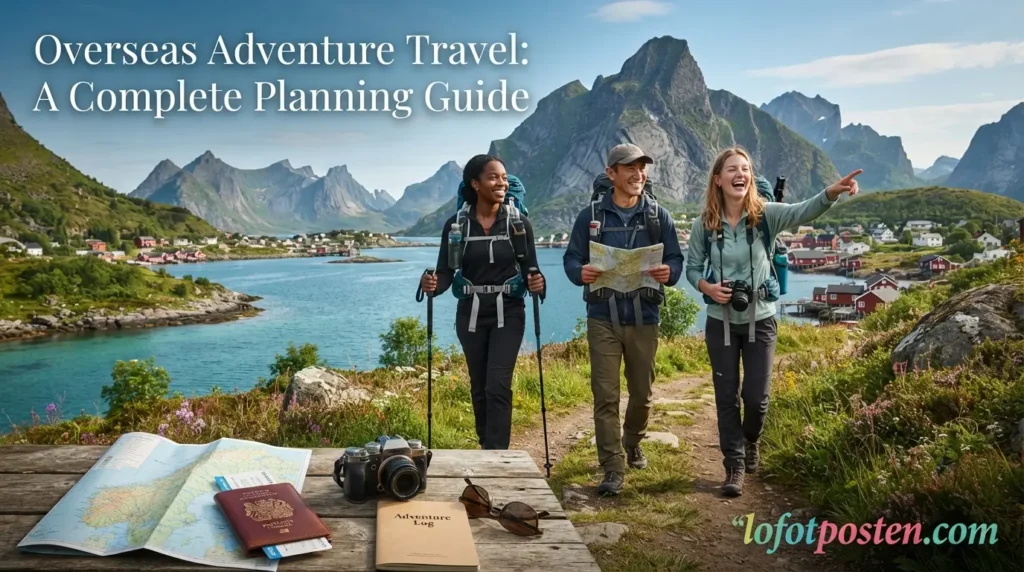
The best overseas adventure travel destination depends on your personal interests, available budget, travel experience, fitness level, and the type of activities you enjoy. For example, travelers who enjoy hiking and mountain scenery may prefer Nepal or New Zealand, while those interested in wildlife may choose Tanzania or Kenya. People who enjoy cultural experiences may find destinations such as Vietnam or Peru more suitable.
| Destination | Best For | Adventure Level |
| Nepal | Mountain trekking | Moderate to challenging |
| Costa Rica | Wildlife and outdoor activities | Beginner to moderate |
| Tanzania | Wildlife safaris | Beginner-friendly |
| Iceland | Scenic landscapes | Beginner to moderate |
| Vietnam | Culture and active exploration | Beginner to moderate |
How to Plan an Overseas Adventure Trip
Planning an overseas adventure trip carefully can help you enjoy a smooth, safe, and memorable travel experience. Before choosing a destination, consider your interests, fitness level, budget, travel duration, and the activities you want to try. Research the destination’s weather, local culture, transportation options, accommodation, and the best time to visit so you can make informed travel decisions. Good preparation can also reduce unexpected problems during your journey.
Choose the Right Destination and Activity Level
Choosing the right destination and activity level is important for making your overseas adventure trip safe, comfortable, and enjoyable. Before booking, consider your fitness level, previous travel experience, available time, budget, and the types of activities you enjoy. For example, beginners may prefer easy hiking trails, guided cultural tours, or short outdoor activities, while experienced travelers may be comfortable with multi-day treks, mountain climbing, or remote expeditions.
Avoid selecting a difficult adventure only because it is popular or widely shared on social media. Check the activity’s distance, duration, elevation, weather conditions, and physical requirements before making a decision. A trip that matches your abilities and interests is more likely to be enjoyable and memorable, while an overly demanding experience may lead to exhaustion, stress, or safety concerns.
Set a Realistic Travel Budget
Creating a realistic travel budget helps you plan your overseas adventure trip without unnecessary financial stress. Start by estimating the major expenses, including flights, accommodation, local transportation, food, guided tours, adventure activities, travel insurance, visas, and any equipment you may need. Researching average prices before booking can help you understand the total cost and choose options that fit your budget.
It is also important to keep extra money for unexpected expenses. Flight delays, changes in transportation, medical needs, lost items, or higher-than-expected costs can affect your travel plans. Setting aside a small emergency fund can provide financial security and help you manage unexpected situations without disrupting your trip.
Check Passports, Visas, and Entry Rules
Before booking an overseas adventure trip, check that your passport is valid for the required period after your planned arrival or departure date. Many countries have specific passport validity rules, so reviewing these requirements early can help prevent travel delays or denied entry. You should also check whether your destination requires a tourist visa and how long the application process may take.
Entry requirements can vary depending on your nationality and destination. Some countries may ask travelers to provide health documents, proof of accommodation, return or onward travel tickets, or evidence of sufficient funds. Since travel rules can change, always review the latest information through official government or embassy sources before making final travel arrangements.
Guided Tours vs. Independent Adventure Travel
Guided tours and independent adventure travel are two popular ways to explore another country, and each option offers different benefits. Guided tours usually include organized transportation, accommodation, activities, and support from experienced local guides. They can be a convenient choice for travelers who want a structured itinerary, local knowledge, and help with planning and logistics. Independent adventure travel gives travelers more freedom to choose their destinations, activities, accommodation, and travel schedule.
Benefits of Small-Group Adventure Tours
Small-group adventure tours provide local knowledge, organized transportation, easier travel logistics, and added support throughout the journey. They also give travelers opportunities to meet new people, share experiences, and enjoy the adventure with others.
Discuss:
- Local knowledge
- Organized transportation
- Easier logistics
- Added support
- Opportunities to meet other travelers
These tours provide added support throughout the journey, which can be helpful when visiting unfamiliar places.
Benefits of Independent Travel
Independent travel offers greater flexibility, personal freedom, and full control over your itinerary. It also allows travelers to choose their own transportation, accommodation, activities, and travel pace while potentially reducing costs through careful planning.
Discuss:
- Greater flexibility
- Personal itinerary control
- Potential cost savings
Independent travel offers greater flexibility, personal freedom, and full control over your itinerary.
Overseas Adventure Travel Safety Tips
Safety is an important part of planning any overseas adventure trip. Before traveling, research your destination, understand local conditions, arrange suitable travel insurance, and prepare for possible emergencies. Taking simple safety precautions can help reduce risks and make your journey more comfortable and enjoyable. Staying aware of your surroundings, following local rules, and preparing for unexpected situations can help you travel with greater confidence.
Research Local Conditions
Before starting your overseas adventure trip, research the destination’s seasonal weather, local transportation, and possible activity risks. Understanding these conditions can help you choose the right time to travel, pack suitable clothing, and prepare for outdoor activities.
You should also check current travel guidance, local laws, and any safety updates before departure. Being well-informed can help you avoid unexpected problems and make your journey safer and more enjoyable.
Purchase Suitable Travel Insurance
Before traveling, choose a travel insurance plan that covers your destination, trip duration, and planned adventure activities. Check the policy carefully because some standard plans may not cover activities such as trekking, mountain climbing, scuba diving, or other higher-risk experiences.
A suitable insurance policy may help cover unexpected medical expenses, trip cancellations, lost belongings, or emergency assistance. If you are visiting remote areas, make sure the policy also includes emergency evacuation or rescue services.
Keep Important Documents Secure
Keep important travel documents safe and organized throughout your overseas adventure trip. Carry secure copies of your passport, travel insurance details, emergency contacts, visa information, and important booking confirmations.
You can store digital copies in a secure location and keep printed copies separately from the original documents. This can make it easier to access important information if your documents are lost, stolen, or damaged during your journey.
What to Pack for an International Adventure
Packing the right items can make your overseas adventure trip more comfortable, safe, and enjoyable. Choose clothing, footwear, and travel gear based on the destination’s climate, planned activities, and length of your trip. For example, hiking trips may require comfortable walking shoes and weather-resistant clothing, while coastal adventures may require lightweight clothing and water-related gear.
Essential Adventure Travel Gear
The right travel gear can help make an overseas adventure safer, more comfortable, and easier to manage. Essential items may include comfortable walking shoes, weather-appropriate clothing, a lightweight backpack, a reusable water bottle, a first-aid kit, a power bank, and a travel adapter.
Choose your equipment based on the destination and planned activities. For example, hiking trips may require sturdy footwear and rain protection, while water adventures may need waterproof bags or suitable safety gear. Pack only what you need to keep your luggage light and organized.
- Comfortable walking or hiking shoes
- Lightweight, adaptable clothing
- Weather-resistant jacket
- Small first-aid kit
- Reusable water bottle
Link to “The Complete International Travel Packing Checklist.”
Common Overseas Adventure Travel Mistakes
Many problems during an overseas adventure trip can be avoided with proper research and careful preparation. Common mistakes include choosing activities that do not match your fitness level, overpacking, ignoring weather conditions, or creating an overly busy travel schedule. Planning can help you avoid unnecessary stress and enjoy a safer, more comfortable journey. By understanding the destination, preparing the right equipment, and keeping your itinerary flexible, you can reduce travel risks and make the most of your adventure.
Choosing an Activity Above Your Fitness Level
Choosing an activity that is too difficult for your fitness level can make an adventure trip tiring, stressful, or unsafe. Before booking, carefully review the activity’s distance, duration, terrain, elevation, and physical requirements to make sure it matches your abilities.
If you are planning a demanding hike or multi-day trek, prepare your body in advance through regular walking, exercise, or training. Choosing an activity that suits your fitness level can help you stay comfortable, reduce the risk of injury, and enjoy the experience more fully.
Overpacking for the Trip
Overpacking can make an overseas adventure trip more tiring and difficult, especially when you need to carry your luggage through airports, public transportation, hiking trails, or remote areas. Heavy bags may also increase travel costs and make it harder to stay organized.
Choose lightweight, versatile clothing that can be worn in different weather conditions and used for multiple activities. Pack only essential gear and avoid bringing unnecessary items. A lighter, well-organized bag can make your journey more comfortable and convenient.
How to Travel More Responsibly Abroad
Responsible travel means making thoughtful choices that protect the environment, respect local cultures, and support the communities you visit. Travelers can reduce waste, avoid damaging natural areas, follow local customs, and choose locally owned businesses whenever possible. Simple actions, such as using reusable items, respecting wildlife, and supporting responsible tour operators, can make a positive difference. By traveling responsibly, you can enjoy meaningful experiences while helping preserve destinations for local communities and future travelers.
Discuss:
- Supporting local businesses
- Reducing plastic waste
- Respecting local communities
- Following wildlife guidelines
- Choosing responsible tour operators
By traveling responsibly, you can enjoy meaningful experiences while helping preserve destinations for local communities and future travelers.
Frequently Asked Questions
What is overseas adventure travel?
Overseas adventure travel involves visiting another country for active, cultural, nature-based, or immersive experiences. It may include hiking, wildlife tours, local cultural activities, water sports, or remote exploration.
Is overseas adventure travel suitable for beginners?
Yes. Many adventure trips are designed for beginners and require little physical experience. Travelers should choose activities that match their fitness level and comfort.
How much does an overseas adventure trip cost?
Costs depend on the destination, travel duration, accommodation, activities, transportation, and travel style. Budget travelers may spend less by using local transport and simple accommodation, while guided tours may cost more but include additional services.
Is it better to join a guided adventure tour?
Guided tours are useful for travelers who want organized logistics, local knowledge, and support. Independent travel may be better for people who prefer flexibility and enjoy planning their own itinerary.
What should I pack for an international adventure trip?
Pack comfortable footwear, suitable clothing, weather protection, essential documents, a first-aid kit, a reusable water bottle, a power bank, and activity-specific equipment.
Conclusion
Overseas adventure travel offers an exciting way to explore new destinations, experience different cultures, and connect with nature. From hiking and wildlife safaris to cultural experiences and independent travel, there are many adventure options for different interests, budgets, and fitness levels.
With careful planning, the right travel gear, and responsible choices, you can enjoy a safe and memorable journey. Choose activities that match your abilities, respect local communities and the environment, and stay flexible throughout your trip. A well-planned overseas adventure can create meaningful experiences and lasting memories.
