
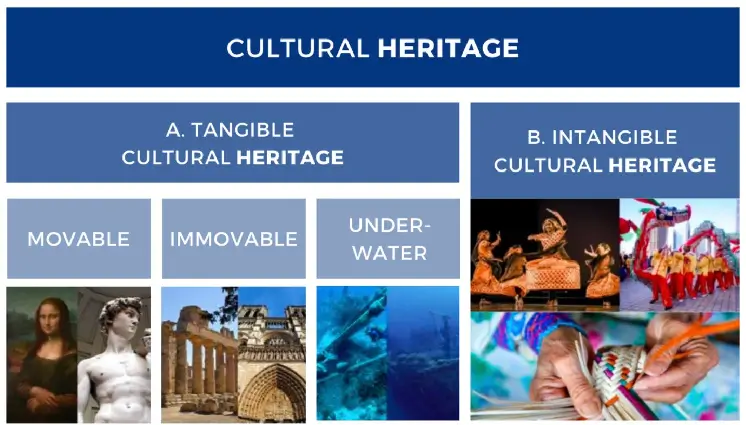
Lofoten is a charming archipelago in Northern Norway, and it is a place full of admirable fjords, picturesque mountain ranges, and charming fishing villages. However, there is still another treasure that is even greater than the natural marvels, the cultural heritage of its people. The customs, legends, and way of doing things that have been passed on over centuries are not simply the legacies of the past; they are what Lofoten is all about. It should be preserved to guarantee the possibility of future generations to be connected with the original spirit of the region.
In the modernizing world of today, where globalization is more likely to erase cultural differences, Lofoten is a living example of the persistence and persistence. Its cultural identity is closely connected with the sea rhythm, the history of the Vikings, and the way of life of fishermen. To lose this identity, then, would be to lose the soul of Lofoten itself. That is the reason why cultural preservation in this case is not an issue of a local problem, but it is the task of every person who respects diversity and history.
This paper delves into the rich history of Lofoten, starting with its historical account, then moving to its fishing culture, which has been central to its cultural makeup. By examining the origins of this identity, one will be in a better position to grasp the reasons why protecting it is crucial in the current transformative times.
Historical Background of Lofoten
The cultural identity of Lofoten is highly shaped by the history of the area, which dates back to the old Norse settlements and Viking settlements. This is illustrated by archaeological finds that the area was inhabited for thousands of years, and there were traces of communities engaged in farming and fishing that prospered by exploiting the abundant natural resources available in the archipelago. These pioneers laid the groundwork for the cultural practices that are used today by the community.
Lofoten was a fishing center, but a strategic trading and exploration center during the Viking Age. Vikings had a reputation for being sailors, and the sea surrounding Lofoten gave them food and space. This Viking heritage can be seen in many of the cultural values that are celebrated today, including boldness, endurance, and respect towards nature. Norse mythology and heritage can be traced in folklore, oral storytelling, and even local place names.
One more significant feature of the historical character of Lofoten is the role of fishing. The cod fishery has been the mainstay of life here for the last millennium. History tells us that one of the valuable exports of Norway, as far back as the 9th century, was the stockfish (air-dried cod), and Lofoten was the capital of this market. Fishing was not only a source of income but also a Source of culture since this industry influenced the way people settled and even the architecture of the people, their social practices, as well as their cultural traditions.
The Role of Fishing in Lofoten’s Identity
Fishing is not a mere occupation in Lofoten, butit’ss very blood and bone. Over centuries, generations, families, villages, and even generations have been centred on the sea. The rhythm of life has been cod fishing, and the migrations of fishermen to the archipelago in a season have become a cultural tradition. This lifestyle is maintained both in the tales and books, as well as in the daily activities of the people.
Stockfish is one of the most persistent representatives of this tradition, which is even produced in the same way as a millennium ago. Stockfish is a culinary and cultural identity as it is hung on wooden racks and dried by the winds of the Arctic naturally. Its commerce also succeeded in placing Norway on the map of world trade in the Middle Ages, and today, it serves as a source of pride to Lofoten. Stockfish is not only a food, but it is also a cultural symbol as it represents a link to the long history of the region.
Fishing has also been very crucial in community bonding. The identity is preserved by the tradition of transferring the knowledge of fishing between generations. When grandparents show grandchildren how to mend nets or find their way around the waters, it is not just a case of imparting skills; it is cultural preservation in action. Fishing festivals, community meetings, and oral histories strengthen this identity, and fishing is not only an economic foundation but also a cultural fibre, holding the people of Lofoten together.
Traditional Architecture and Settlements
in Lofoten have a strong response to its cultural legacy through the architecture. Probably the most symbolic illustration will be the rorbu cabins-red wooden houses constructed on stilts on the shore. These cabins had initially been built to house fishermen who came to the islands during the cod season. Gradually, rorbuer also became cultural symbols of the region that are not only a handy construct but also the strength and flexibility of local people. Most of these ancient cabins are nowadays maintained and serve as guesthouses, enabling visitors to gain a sense of the heritage of Lofoten.
In addition to the rorbu cabins, there are traditional wooden churches and boathouses as well as part of the cultural landscape. Their methods of construction demonstrate the ingenuity of early settlers, who included locally available resources (driftwood and timber) in their work. These buildings need to be preserved as they are important, as they narrate the history of how human beings coexisted with their surrounding. Even in the modern architectural development in Lofoten, modern architects have tended to implement such traditional designs with the new architectural designs to make sure that the cultural identity can still be recognized in the present architectural design.
Even the settlements are historical. Villages such as Henningsvaer, Nusfjord, still have a great part of their ancient air, small streets, wooden bridges, and fishing piers, which bear the stamp of centuries. Conserving these architectural gems is not just a matter of taste, but of preserving the Lofoten cultural DNA that would be passed to successive generations.
- Travel Clipart: Best Free Designs & Creative Ideas
- One Travel: Complete Guide to Planning Your Perfect Trip
- Best Stroller Travel Systems: Top Picks for 2026
- San Marcos Huehuetenango Travel Risk: Safety Guide
- United Travel Bank: How It Works and How to Use It
Language, Folklore, and Oral Traditions.
The culture of Lofoten has a key fiber in language and storytelling. There are also local dialects, which are formed during centuries of isolation and maritime culture, and in which there are isolated words and phrases, which reflect the connection of the community with the sea and nature. Such nuances of language are not mere communication, but they are breathing reminders of the history and the tradition. Such dialects, unless maintained consciously, will be overwhelmed by the modern standardized language.
The folklore also occupies a significant position in the cultural memory of Lofoten. Tales about trolls, sea creatures, and Viking gods are handed down across generations, usually on long winter evenings around the fireplace. These are not just entertainment, but they contain values, warnings, and lessons that assist communities in coping with the physical and spiritual challenges of their world. An example is the myths of sea spirits, which were used to develop an understanding of the respect for the dangerous sea waters, a mixture of cultural knowledge and survival tactics.
Oral traditions are not limited to myth, as oral traditions include family and fishing practices, as well as songs that glorify ordinary life. These are the practices that aid continuity between the past and the present, so that the young generations can identify with their origins. Storytelling is the pulse of the Lofoten cultural heritage in a variety of ways- it is a method of preserving identity through word of mouth, memory, and communal events.
Festivals and Local Celebrations
Lofoten festivals are not community gathering festivals, but live manifestations of culture. The most important one is the Lofoten International Art Festival that welcomes artists and visitors to different parts of the world and reflects the creative spirit of the region. But, even more importantly, local festivals that are tradition-based based like fishing festivals, are important to preserving culture. The events unite different generations of families and also ensure a stronger connection and support that gives a family identity.
The music, dance, and traditional attire are among the major roles of these events. Singing folk songs that have been sung for centuries, usually with the fiddle, can be heard in the villages during the festive periods. Old costumes, which are well-maintained and put on special occasions, are great sources of cultural pride. These celebrations are also a source of entertainment as well as a way of connecting the past and present centuries of tradition.
The central point of such festivals is community participation. Be it in the preparation of traditional food, organizing cultural shows and visits, the locals will be actively involved in ensuring that their heritage is always visible and alive. Such festivals provide sources of identity in a world that is threatened by globalization, which would easily blur cultural particularities and make the world forget that Lofoten traditions are still there, strong, and worth keeping.
Art, Craft, and Culinary. Ary Heritage
The Lofoten cultural heritage ensures that art and craft are highly embraced within the cultural background of the people who are creative and resilient. The handcrafted products, such as fishing equipment, wooden figures carved by local artisans, and customary clothes, have been in place forever. These crafts are not just beautiful items on the wall but also useful objects related to daily life, and they also narrate the survival, resourcefulness, and identity stories. This tradition is still followed by modern artists in Lofoten, who tend to combine old methods with new ones to demonstrate the beauty of landscapes and the history of the archipelago.
The other element of the cultural identity of Lofoten is culinary traditions. The food culture extends far beyond the stockfish that the region is renowned to have. Families have generations of recipes utilizing locally found seafood, berries, and herbs. The cod liver oil, fish soup, and baked goods are the traditional dishes that are made with pride, and many of the recipes have been passed orally by families. This is a heritage of the culinary tradition that should be preserved since it is not only food but a link to the ancestry and the land.
The gastronomic character of Lofoten is nowadays discussed with the help of food festivals, cooking courses, and local restaurants, which are concerned with the genuine tastes. Tourists are invited to sample the home-cooked meals, and in the process, they are involved in the conservation of the culture of the region. The cuisine of Lofoten, as is the case with art and craft, does not stand still through time, but changes with the passage of time, yet one can always trace its origins, which makes culture not only alive but also delicious to taste.
Challenges to Preserving Lofoten’s Heritage:
There are a lot of challenges associated with the preservation of cultural heritage in Lofoten. Modernization and globalization are the most urgent problems. With the young population shifting to the cities in search of education and jobs, the traditional practices are at risk of being forgotten. Meanwhile, the influence of the global media and the modern way of life obscures the local understanding and traditions. Unless these tendencies are controlled, Lofoten will perhaps lose part of its cultural peculiarity.
The other significant problem is the tourism effect. Although tourism has some economic benefits, it may pose a threat to cultural conservation whereby it is not handled responsibly. As an example, over-tourism might strain a historic village, degrade the natural landscape, and commercialize the cultural practices so that it is no longer done traditionally but in a manner that will be appreciated by tourists. This change can water down the textbook of what makes Lofoten so special.
Finally, climate change is a direct threat to cultural and natural heritage. The increase in sea level, alterations of fish migration, and unexpected weather patterns are destabilizing the established system of traditional fishing, which is the core of the Lofoten. In case the environment in which these traditions were formed is altered significantly, it may also destroy the cultural webbing in the area. Conservation in Lofoten must, thus, be done with a delicate balance of adapting to the modern and safeguarding the history that makes it what it is.
The Role of Tourism in Cultural Preservation.
Although tourism may pose threats, it also leaves opportunities to promote the preservation of the culture in cases where it is conducted prudently. Lofoten responsible tourism is about educating the visitors and influencing them to observe the local customs. Guided tours, cultural museums, as well as storytelling sessions make travelers realize that they are not only looking at a destination but entering a living cultural panorama.
Preservation of heritage could also be funded through tourism. The fee of entry to historical sites, donations to cultural centers, and the sale of local crafts or food are all direct sources of support for traditions. Lofoten has a large number of families who have commercialised their cultural expertise in the form of tourism-related activities, like providing fishing tours, cooking lessons, or folklore hikes. This generates revenue and, at the same time, preserves traditions, making them active and applicable.
Tourism, when well incorporated, is a source of empowerment and not exploitation. By helping to concentrate on the authenticity and the engagement of the community, Lofoten will be able to make sure that visitors will not only be able to recollect the stunning landscapes, but also enhance their understanding of the cultural identity that makes the area a unique experience. Tourism in this respect serves two functions: it promotes economic development and it preserves the heritage.
Government and Community Initiatives.
It is not by chance that the cultural heritage of Lofoten is being preserved, but both the government policies and the grassroots efforts of the community actively encourage this process. Norway has come up with cultural protection schemes to preserve old historic sites, traditional fishing villages, and architecture. As an illustration, some villages have been made into living museums, such as the Nusfjord, where one can get to live as it was centuries ago. Such efforts make sure that modernization does not wipe out the Lofoten cultural DNA.
Meanwhile, local communities can be considered essential to cultural preservation. The locals usually participate in the repair of rorbu cabins, host traditional festivals, and educate the younger generation about fishing methods and folklore. In Lofoten, schools also incorporate Cultural education in their study program, which also ensures that children are raised appreciating their culture. Such cooperation between formal organizations and locals is crucial since heritage conservation is most effectively done when it is based on community pride.
NGOs and cultural associations come in as another source of support. They normally work together with the government and local communities to finance initiatives, cultural activities, and create awareness of the need to preserve the traditions. Through such efforts, Lofoten will no longer have cultural heritage that is merely preserved, but it will be the item to be celebrated and serve as a source of pride and identity to generations to come.
Future of Lofoten’s Cultural Identity
The future of the identity of Lofoten lies in the ability to adjust traditions to modern life and preserve the authenticity of the same. The young generations are also experiencing a resurgence in their cultural revival through the adaptation of ancient practices to modern technologies. Indicatively, folklore, oral histories, and fishing methods are now being recorded online, and cultural knowledge is being brought to the world community. This online preservation assists in safeguarding the fact that the traditions will not be lost in times when the way of life is rapidly evolving.
It can also be said that sustainability will be an important part of the cultural future of Lofoten. There is a growing trend in communities to have eco-friendly ways of fishing, tourism, and environmentally friendly architecture. These have been in line with the cultural norms of paying respect to nature that have always formed a major part of life in Lofoten. By combining new with traditional, Lofoten is capable of becoming a beacon of hope to the world, which will find a way to co-exist with culture and modernity.
Above all, the cultural identity in Lofoten will only be preserved on the condition that the younger generation does not lose the sense of belonging to it. It cannot be done with policies, projects, but with day-to-day activities, such as speaking local dialects, attending local festivals, and cooking local cuisine. This participation of the youth in cultural activities makes heritage not a memory of the past but an active and dynamic aspect of the present and the future.
FAQs:
Why is cultural heritage important in Lofoten?
The cultural heritage of Lofoten plays a significant role as it helps keep the traditions and fishing techniques, folklore, and architecture that make up the unique identity of the region. These elements are the ones that Lofoten would lose not only its history but also the cultural soul that makes it a unique place in the contemporary world..
How does fishing shape Lofoten’s identity?
Centuries ago, Fishing, particularly cod fishing and the manufacture of stockfish, was a mainstay of Lofoten. It had a significant impact on the settlement pattern, community life, festivals, and even the local cuisine; therefore, it was the most characteristic feature of the cultural heritage of the archipelago.
What role do festivals play in preserving culture in Lofoten?
Lofoten festivals preserve traditions through the celebration of music, dancing, narrative, and food. They unify communities and leave the younger generations with an opportunity to experience their heritage in meaningful and joyful ways.
How is tourism helping to preserve cultural heritage in Lofoten?
Tourism assists in the conservation of the cultural heritage by financing the restoration, encouraging the genuine crafts and local companies, which exhibit the traditions. Being handled in a responsible manner, it can be a source of cultural awareness as well as economic development.
What challenges threaten Lofoten’s cultural preservation?
Globalization, modernization, climate change, and over-tourism are the most significant challenges. These forces have the danger of making traditions too diluted or overly commercial to lose their authenticity over time.
How are young people in Lofoten contributing to cultural preservation?
The younger generations are recording folklore, recipes, and oral traditions on digital platforms, as well as taking part in festivals and cultural projects. Their participation makes the traditions continue in new and innovative modes.
What can visitors do to support Lofoten’s cultural identity?
Tourists have the responsibility to contribute to the cultural heritage of Lofoten through respecting the local traditions, purchasing the local crafts, engaging in cultural events, and selecting sustainable tourism opportunities that would add value to the community and the environment.
Conclusion:
Lofoten is a cultural heritage; it is the soul of the place that defines not only its name but also its location in the world. Considering the old Viking history and fishing techniques in the folklore, the art, and the celebrations that characterize the daily life, all aspects of the culture make Lofoten a living legend. The concept of saving this identity is not resisting change; it is rather making sure that the values, practices, and traditions that make Lofoten unique are not lost in the process of progress.
The problems are actual, both globalization and modernization, as well as climate change and mass tourism. However, the solutions are no less powerful: the state policies, the community-driven programs, responsible tourism, and the inclusion of the younger generations. All this combined forms an effective line of defense against cultural erosion, as well as preserving traditions and making them significant.
In conclusion, it is the task of the people of Lofoten and not only their business, but also of anyone who appreciates cultural diversity, to maintain the identity of Lofoten. The preservation of this heritage not only preserves the past, but it also gives hope to the future. The tale of Lofoten makes us all remember that culture is not something that lies inert; it is dynamic, strong, and well deserving of being handed down to the generations that are yet to come into existence.
