
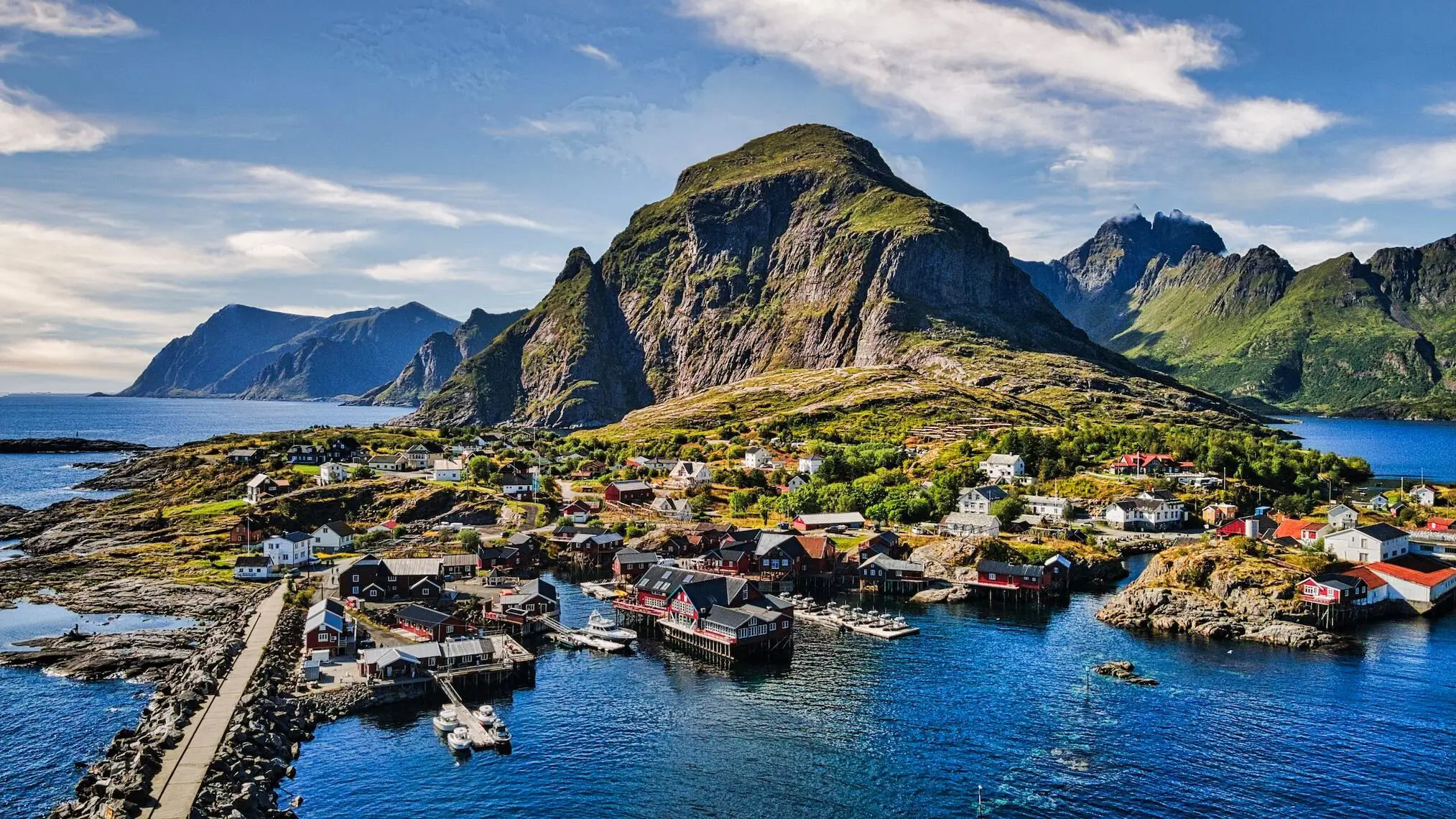
The concept of Volunteer Work That’s Changing Lives in Lofoten is rooted in compassion, solidarity, and action. In a world where communities and nature face countless challenges, the act of volunteering becomes more than just service becomes a human responsibility. Lofoten, with its unique blend of natural beauty and social needs, has become a powerful example of how volunteer work can transform lives, protect the environment, and strengthen cultural bonds.
Every initiative under Volunteer Work That’s Changing Lives in Lofoten reflects the determination of people who step beyond personal interests to contribute to something larger. Whether it is cleaning fragile coastlines, supporting isolated communities, or preserving cultural traditions, volunteers create a visible and lasting impact. These efforts not only help locals but also inspire global awareness about sustainable living and the importance of human connection.
What makes Volunteer Work That’s Changing Lives in Lofoten truly remarkable is its long-term vision. The work being done is not limited to solving immediate problems; it is about building sustainable solutions that protect both people and nature for generations to come. This spirit of volunteering proves that when humanity acts collectively, meaningful change is not just possible, is inevitable.
Understanding Volunteer Work in Lofoten
Defining Volunteer Work in the Region
At its core, Volunteer Work That’s Changing Lives in Lofoten is about empowering communities while preserving natural treasures. Unlike short-term efforts that disappear with time, these projects are built on sustainable models. They involve active participation in areas such as environmental protection, cultural preservation, education, and community welfare. What makes it unique is the balance between giving and receiving: volunteers contribute their energy and skills, while in return, they gain deep cultural understanding and personal growth.
Key Areas of Contribution
Volunteers in Lofoten are involved in diverse fields that directly impact lives and the environment:
- Environmental Preservation
- Beach cleanups to fight plastic pollution.
- Safeguarding marine biodiversity.
- Promoting sustainable fishing practices.
- Community Support
- Assisting with schools and youth programs.
- Helping elderly citizens combat isolation.
- Supporting local events and festivals.
- Cultural Exchange
- Learning and preserving traditional skills.
- Sharing global knowledge with locals.
- Encouraging language and artistic collaborations.
Each area of service reflects the human-centered approach of Volunteer Work That’s Changing Lives in Lofoten, where progress is measured not in numbers, but in smiles, stronger connections, and healthier surroundings.
Why Lofoten Attracts Volunteers
The region’s breathtaking landscapes are certainly a draw, but the real attraction of Volunteer Work That’s Changing Lives in Lofoten is the opportunity to create visible change. Volunteers know their work has immediate and long-term results: a cleaner coastline, a more vibrant community event, a child gaining new knowledge, or a tradition being passed on to the next generation. The combination of natural beauty and social responsibility makes this place a powerful magnet for those who seek meaning beyond travel.
Environmental Conservation Projects
Protecting Fragile Ecosystems
One of the strongest pillars of Volunteer Work That’s Changing Lives in Lofoten is environmental conservation. The islands are known for their pristine waters, dramatic peaks, and unique wildlife, yet they face increasing threats from modern challenges such as plastic pollution and climate change. Volunteers step in as guardians of these ecosystems, ensuring that future generations inherit a landscape that is as pure as it is today.
- Marine Protection
- Organizing ocean-cleaning campaigns.
- Educating fishermen and tourists on sustainable practices.
- Partnering with scientists to track marine health.
- Wildlife Care
- Monitoring bird populations.
- Restoring natural habitats.
- Reducing human-wildlife conflicts.
This human-led effort is not just about protecting nature; it is about protecting life itself, recognizing that humanity cannot thrive if the environment suffers.
Fighting Plastic Pollution
Plastic waste has become a global crisis, and Lofoten is not immune. Volunteers dedicate countless hours to cleaning beaches, removing tons of debris that threaten marine life. The fight against plastic is a core example of Volunteer Work That’s Changing Lives in Lofoten, as it directly saves animals, improves the tourism experience, and inspires locals to adopt greener lifestyles. This fight is not symbolic; it is essential for survival.
Sustainable Fishing and Ocean Awareness
Fishing has been the heart of life in Lofoten for centuries. However, overfishing and modern challenges put pressure on the balance between livelihood and sustainability. Volunteers play a crucial role in raising awareness, supporting campaigns for ethical fishing, and teaching youth about the value of marine conservation. By combining tradition with modern environmental science, Volunteer Work That’s Changing Lives in Lofoten creates a model where humans and oceans coexist in harmony.
Community Development through Volunteering
Building Stronger Local Support Systems
One of the most powerful aspects of Volunteer Work That’s Changing Lives in Lofoten is its contribution to community development. Volunteers dedicate their time to assist in schools, libraries, and cultural centers, ensuring that knowledge and resources reach every corner of the islands. This support strengthens social systems and makes sure no community is left behind.
Reducing Isolation in Remote Areas
Living in remote villages can sometimes lead to isolation, especially for the elderly and youth. Volunteers step in to organize events, assist in daily activities, and provide companionship to those in need. This human-centered work gives people hope and dignity, proving that Volunteer Work That’s Changing Lives in Lofoten is not only about physical tasks but also about emotional well-being.
- Supporting Education
- Helping children with language learning.
- Providing mentorship for teenagers.
- Assisting teachers with cultural exchange programs.
- Strengthening Communities
- Organizing local markets and festivals.
- Building community spaces.
- Encouraging participation in social projects.
Stories of Transformation
Behind every initiative of Volunteer Work That’s Changing Lives in Lofoten are real stories of transformation. A child who gains confidence through mentorship, an elderly resident who feels valued again, or a family that benefits from community programs of these experiences highlight how volunteerism shapes stronger, healthier societies.
Cultural Exchange and Heritage Preservation
Preserving Local Traditions
Another remarkable contribution of Volunteer Work That’s Changing Lives in Lofoten is cultural preservation. Volunteers engage in traditional activities, such as fishing, handicrafts, storytelling, and art, ensuring that these customs are passed down to future generations. Their presence not only keeps traditions alive but also strengthens the pride of locals in their heritage.
- Cultural Practices
- Supporting traditional festivals.
- Learning old crafts and passing them to younger people.
- Documenting and sharing oral histories.
Creating Bridges Between Cultures
Volunteers often come from diverse backgrounds, and their interactions with local communities create a unique cultural bridge. Language exchange programs, collaborative art projects, and cultural events bring people together in meaningful ways. This exchange enriches both sides, proving that Volunteer Work That’s Changing Lives in Lofoten is also about learning and sharing, not just giving.
The Role of Art and Storytelling
Art, music, and storytelling are vital parts of local culture. Volunteers assist in promoting these traditions by helping organize exhibitions, teaching creative workshops, and sharing stories globally. This work ensures that cultural heritage does not fade in the face of modernization but instead finds new ways to thrive.
Long-Term Cultural Benefits
The outcome of Volunteer Work That’s Changing Lives in Lofoten in cultural preservation goes far beyond temporary involvement. It strengthens identity, empowers younger generations to value their roots, and creates mutual respect between locals and visitors. When heritage is preserved, communities remain connected to their history while embracing a sustainable future.
Social Impact: Changing Lives in Lofoten
Empowering Individuals and Families
At its core, Volunteer Work That’s Changing Lives in Lofoten is about people. Volunteers empower individuals by offering skills training, mentorship, and emotional support. Whether it is helping a young adult discover a career path or supporting families in difficult times, these contributions lead to long-lasting improvements in quality of life.
- Skill Development
- Teaching digital literacy.
- Offering workshops on sustainable living.
- Encouraging entrepreneurship among youth.
Creating Equal Opportunities
Social impact means reducing inequality. Volunteers help bridge gaps by providing access to education, healthcare support, and social programs for those who might otherwise be overlooked. These efforts ensure that everyone has the opportunity to grow, thrive, and live with dignity. This is why Volunteer Work That’s Changing Lives in Lofoten is often described as a human rights movement that gives people the resources they need to succeed.
Building Emotional and Social Bonds
Volunteers also contribute to the emotional well-being of communities. Their presence builds trust, inspires hope, and shows people that they are not forgotten. A simple act of kindnessteaching, listening, or helping with daily challenges can change how a person views their own worth. In this way, Volunteer Work That’s Changing Lives in Lofoten uplifts not only individuals but also entire communities.
Volunteering and Tourism Synergy
The Rise of Voluntourism
In recent years, a new trend has emergedvoluntourism, where travelers combine their journeys with meaningful service. This trend is central to Volunteer Work That’s Changing Lives in Lofoten because visitors are not just sightseeing; they are actively contributing to the well-being of communities and the environment. From beach cleanups to cultural festivals, voluntourists leave behind more than footprints leave behind hope.
How Tourism Supports Volunteer Projects
Tourism generates income, but when linked with volunteering, it creates sustainable development. Local businesses benefit from travelers who stay longer to volunteer, while communities gain from their direct contributions. The combination of tourism and volunteering ensures that every visitor becomes part of the transformation. In this way, Volunteer Work That’s Changing Lives in Lofoten proves that tourism can be more than leisure can be a tool for positive impact.
- Benefits of Synergy
- Stronger funding for local initiatives.
- More awareness about environmental challenges.
- Opportunities for cultural exchange.
Sustainable Growth for the Future
Unlike traditional tourism, which sometimes damages natural landscapes, voluntourism focuses on preserving and uplifting. It promotes responsible travel, where people learn to respect the land and community while contributing to its well-being. This model of Volunteer Work That’s Changing Lives in Lofoten ensures that tourism becomes a partner in progress rather than a source of harm.
Challenges in Volunteer Work
Resource Limitations
While the benefits are undeniable, Volunteer Work That’s Changing Lives in Lofoten also faces significant challenges. One of the biggest hurdles is the lack of resources and consistent funding. Many projects depend heavily on donations, short-term grants, or personal sacrifices from volunteers. Without stable support, some valuable initiatives risk being discontinued.
Language and Cultural Barriers
Cultural differences and language gaps can sometimes slow progress. Volunteers may struggle to communicate effectively, which can lead to misunderstandings or delays. However, most see this as an opportunity for growth. Overcoming these barriers is a vital part of the experience and strengthens the spirit of cooperation that defines Volunteer Work That’s Changing Lives in Lofoten.
- Common Challenges
- Seasonal weather is making access difficult.
- Limited infrastructure for long-term programs.
- Balancing outside help with community independence.
Balancing Support and Self-Sufficiency
A delicate issue in volunteerism is ensuring that communities remain independent. Volunteers must avoid creating dependency. Instead, the goal of Volunteer Work That’s Changing Lives in Lofoten is to empower locals with skills, knowledge, and tools so that they can continue the work long after the volunteers leave. This balance is essential for sustainable progress.
Future of Volunteer Work in Lofoten
Emerging Trends in Volunteering
The future of Volunteer Work That’s Changing Lives in Lofoten looks promising. Digital technology is opening new ways for people to connect and support causes, even remotely. Virtual volunteering, online fundraising, and digital awareness campaigns are expanding the reach of local initiatives, making them accessible to global audiences.
Role of Youth and Digital Nomads
Young people and digital nomads are playing a growing role in shaping the future of volunteering. With flexible lifestyles and a passion for meaningful work, they are bringing new energy, creativity, and skills to projects. Their involvement ensures that Volunteer Work That’s Changing Lives in Lofoten continues to evolve with the needs of the modern world.
- Future Opportunities
- Eco-friendly innovations.
- Tech-driven volunteer platforms.
- Deeper cultural collaborations.
Building a Sustainable Model
The long-term vision is clear: create a self-sustaining volunteer ecosystem where both people and the environment thrive. By blending tradition with innovation, Volunteer Work That’s Changing Lives in Lofoten will continue to inspire, protect, and empower. The future promises stronger communities, cleaner ecosystems, and more opportunities for everyone to contribute to a better world.
How to Get Involved in Volunteer Work in Lofoten
Taking the First Step
Becoming part of Volunteer Work That’s Changing Lives in Lofoten begins with a simple decision: the choice to contribute. The first step is identifying the type of cause that aligns with your passion, whether it is environmental conservation, cultural exchange, or community development. Once this is clear, potential volunteers can start searching for organizations and programs that match their goals.
Preparing for the Experience
Preparation is key to making the most of this journey. Volunteers should understand the cultural values of Lofoten, the environmental challenges the region faces, and the basic skills required for their chosen project. Having an open mind, patience, and willingness to learn is often more important than technical expertise. The spirit of Volunteer Work That’s Changing Lives in Lofoten lies in compassion and commitment rather than perfection.
- Practical Steps for Getting Involved
- Research recognized volunteer platforms.
- Apply to projects that match your skills.
- Prepare essential documents and travel requirements.
- Learn basic cultural etiquette before arrival.
Making a Lasting Difference
True volunteering is not about short visits; it is about long-lasting impact. Volunteers are encouraged to commit enough time to see the results of their efforts. They should also share their experiences globally, inspiring others to join. The more people understand and support Volunteer Work That’s Changing Lives in Lofoten, the stronger and more sustainable the movement becomes.
FAQs about Volunteer Work in Lofoten
What kind of volunteer work is available in Lofoten?
The opportunities for Volunteer Work That’s Changing Lives in Lofoten are incredibly diverse. Environmental projects are among the most popular, where volunteers dedicate their time to cleaning coastlines, protecting wildlife, and promoting sustainable fishing practices. These efforts directly safeguard Lofoten’s fragile ecosystems and ensure that nature continues to thrive for future generations.
Do I need to know Norwegian to volunteer?
Language is often a concern for volunteers, but the good news is that most projects welcome English-speaking participants. The heart of Volunteer Work That’s Changing Lives in Lofoten lies in compassion and commitment rather than fluency in the local language. Volunteers are able to communicate effectively with organizers, fellow volunteers, and many locals who already have a basic understanding of English.
How long do volunteer projects usually last?
The duration of Volunteer Work That’s Changing Lives in Lofoten depends on the type of program and the availability of the volunteer. Some opportunities last only a few weeks, making them suitable for travelers or students on break. These short-term projects often involve seasonal activities such as beach cleanups, summer festivals, or youth programs.
Are there age restrictions for volunteers?
Most programs under Volunteer Work That’s Changing Lives in Lofoten are open to adults, with a minimum age requirement that usually begins at 18. This ensures that volunteers are mature enough to handle responsibilities and adapt to new environments. Some organizations, however, allow younger participants if they are accompanied by guardians or part of a supervised group.
Can students participate in volunteer programs?
Yes, students are highly encouraged to participate in Volunteer Work That’s Changing Lives in Lofoten. Many projects are designed to be flexible, allowing students to volunteer during summer breaks, holidays, or as part of exchange programs. This offers students a chance to gain real-world experience while also making a tangible difference in people’s lives.
Is accommodation provided for volunteers?
Accommodation depends on the specific program, but many initiatives linked with Volunteer Work That’s Changing Lives in Lofoten provide housing as part of the package. Volunteers may stay in shared dormitories, host families, or eco-lodges close to project sites. This arrangement creates a sense of community and allows participants to connect with each other on a personal level.
How safe is Lofoten for international volunteers?
Safety is a priority for anyone considering volunteering abroad, and Volunteer Work That’s Changing Lives in Lofoten is generally considered very safe. The region is known for its welcoming communities and organized programs that ensure the well-being of participants. Volunteers usually work in teams, supported by coordinators who provide guidance and security.
What skills are most useful in volunteer projects?
While enthusiasm and commitment are the most important qualities, certain skills can enhance the impact of Volunteer Work That’s Changing Lives in Lofoten. For example, teaching and mentoring skills are valuable in schools and youth programs. Environmental knowledge and hands-on experience are useful in conservation projects. Communication skills, teamwork, and adaptability are essential across all volunteer initiatives.
How can volunteering in Lofoten boost my career?
Participating in Volunteer Work That’s Changing Lives in Lofoten can significantly boost career opportunities. Employers increasingly value candidates with real-world experience in leadership, teamwork, and problem-solvingall qualities that are strengthened through volunteering. Serving in diverse roles demonstrates adaptability and commitment, both of which are highly sought after in professional fields.
Do volunteers get paid, or is it purely service-based?
Most programs under Volunteer Work That’s Changing Lives in Lofoten are service-based, meaning volunteers do not receive payment. The focus is on mutual exchangevolunteers give their time and energy while gaining cultural experiences, personal growth, and in some cases, accommodation and meals.
Conclusion
Volunteer Work That’s Changing Lives in Lofoten is more than just a service; it is a movement of compassion, sustainability, and cultural exchange. Every project, whether focused on environmental protection, youth development, or community support, leaves behind a meaningful footprint. Volunteers who step into this journey quickly realize that they are not only helping others but also transforming themselves in profound ways. The experience bridges cultural gaps, promotes global unity, and inspires lifelong values of kindness and responsibility.
The beauty of volunteering in Lofoten lies in its unique blend of natural wonders and human connection. Imagine waking up to breathtaking fjords, working alongside passionate locals, and ending the day knowing your actions have contributed to a cleaner, stronger, and more vibrant community. Such experiences create memories that last a lifetime and teach lessons that go far beyond books or classrooms. For many, this is the moment they discover their true ability to impact the world around them.
Another powerful aspect of Volunteer Work That’s Changing Lives in Lofoten is its inclusivity. Whether you are a student seeking growth, a professional looking to give back, or a retiree wanting to share your skills, there is a place for everyone. The projects welcome diverse talents, ages, and backgrounds, showing that collective effort is what truly brings change. By combining creativity, energy, and empathy, volunteers and locals together create solutions that strengthen both people and nature.
